THE ADVENTURE COLLECTIVE® · Independent discovery and booking for outdoor travel

Practice slow, grounding tai chi with a local instructor beneath Yangshuo’s karst peaks. This one-hour small-group lesson pairs basic form work with cultural context and hotel pickup for a simple, restorative experience.
Practice slow, grounding tai chi with a local instructor beneath Yangshuo’s karst peaks. This one-hour small-group lesson pairs basic form work with cultural context and hotel pickup for a simple, restorative experience.
Dawn lifts off the Li River and the karst peaks in slow, deliberate breaths; a small group gathers on a paved courtyard while an instructor calls attention to posture and breath. The air smells faintly of river mist and frying tea leaves, and the first slow movements fold into the landscape as naturally as the hills themselves.
Verified experiences and guided adventures in the surrounding area.
Operated by happychinatours · Yangshuo, Guangxi
Dawn lifts off the Li River and the karst peaks in slow, deliberate breaths; a small group gathers on a paved courtyard while an instructor calls attention to posture and breath. The air smells faintly of river mist and frying tea leaves, and the first slow movements fold into the landscape as naturally as the hills themselves.
Tai Chi here is taught against one of China’s most recognizable geological backdrops: the Guilin–Yangshuo karst, formed by millennia of limestone dissolution that left steep, rounded peaks and narrow river valleys. Tai Chi’s origins — rooted in southern and northern family styles developed over centuries — fit this setting: internal focus practiced amid external drama. Yangshuo’s culture is rural and performance-friendly; the town has long welcomed visitors for climbing, river cruises, and arts, so small-group lessons are routine and respectful of local rhythms.
Expect a 60-minute introduction covering basic stances, a short sequence, and discussion of breathing and principles. Classes are gentle and suitable for most fitness levels, but instructors will advise modifications for injuries, pregnancy, or cardiovascular issues. Morning sessions maximize calm air and soft light; later classes may be busier.
Practicalities: wear loose, flat-soled shoes and layered clothing, bring water, and allow time for hotel pickup. The lesson’s purpose is experiential rather than a full course — leave with clear foundational movements and resources to continue practice. For travelers who want a low-impact way to connect with Yangshuo’s landscape, this one-hour class is both an introduction to tai chi and a moment to slow down amid the karst peaks.
easy.
1 hour.
Suitable for most fitness levels; useful for those with basic mobility and balance. Not recommended for people with recent spinal injuries, serious heart conditions, or pregnancy without medical clearance.
No — this is an introductory class designed for beginners with step-by-step guidance and simple sequences.
Yes — the activity description notes round-way private transfer between Yangshuo hotels and the tai chi school is included.
Small-group lessons are capped at about 15 people, keeping instruction personal while still communal.
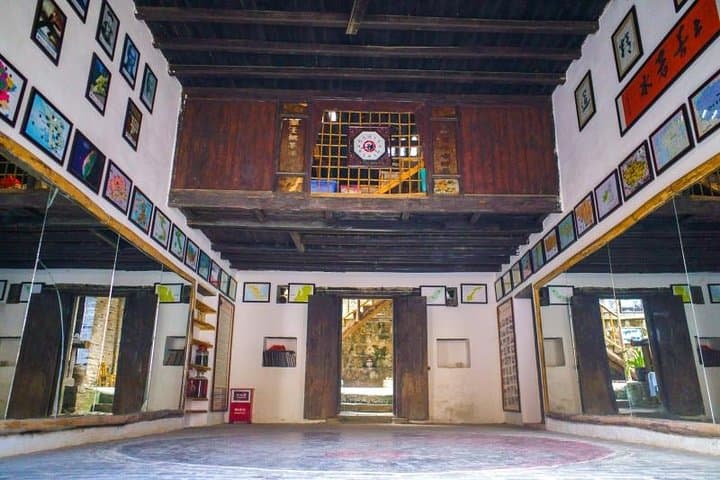
Sessions may be held outdoors or in a studio depending on weather and instructor choice; bring layers if outdoors.
Yangshuo sits within the Guilin karst landscape shaped over millions of years; tai chi itself evolved in Chinese martial and health traditions over the last few centuries.
Keep group sizes modest, avoid trampling riverbanks, and follow instructors’ directions to minimize wear on public spaces and respect local agriculture.
happychinatours operates guided outdoor trips and adventures with an emphasis on safety, stewardship, and memorable experiences.
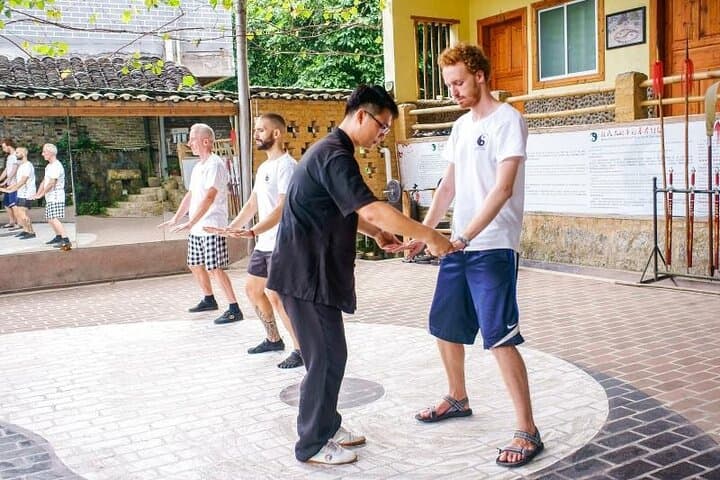
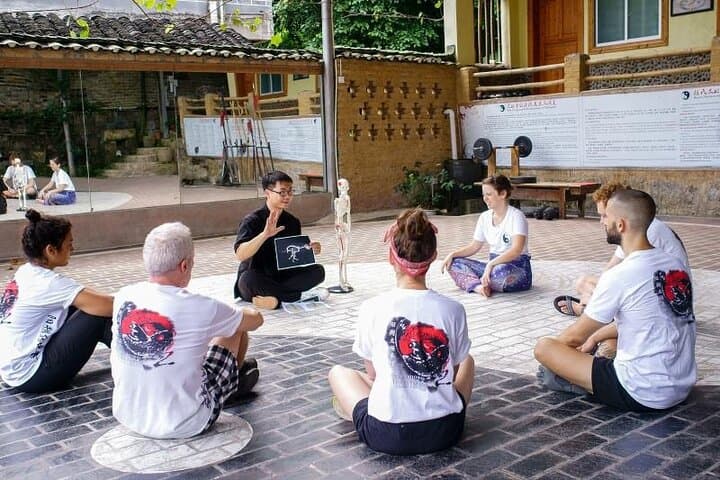

Dawn lifts off the Li River and the karst peaks in slow, deliberate breaths; a small group gathers on a paved courtyard while an instructor calls attention to posture and breath. The air smells faintly of river mist and frying tea leaves, and the first slow movements fold into the landscape as naturally as the hills themselves.
Dawn lifts off the Li River and the karst peaks in slow, deliberate breaths; a small group gathers on a paved courtyard while an instructor calls attention to posture and breath. The air smells faintly of river mist and frying tea leaves, and the first slow movements fold into the landscape as naturally as the hills themselves.
Tai Chi here is taught against one of China’s most recognizable geological backdrops: the Guilin–Yangshuo karst, formed by millennia of limestone dissolution that left steep, rounded peaks and narrow river valleys. Tai Chi’s origins — rooted in southern and northern family styles developed over centuries — fit this setting: internal focus practiced amid external drama. Yangshuo’s culture is rural and performance-friendly; the town has long welcomed visitors for climbing, river cruises, and arts, so small-group lessons are routine and respectful of local rhythms.
Expect a 60-minute introduction covering basic stances, a short sequence, and discussion of breathing and principles. Classes are gentle and suitable for most fitness levels, but instructors will advise modifications for injuries, pregnancy, or cardiovascular issues. Morning sessions maximize calm air and soft light; later classes may be busier.
Practicalities: wear loose, flat-soled shoes and layered clothing, bring water, and allow time for hotel pickup. The lesson’s purpose is experiential rather than a full course — leave with clear foundational movements and resources to continue practice. For travelers who want a low-impact way to connect with Yangshuo’s landscape, this one-hour class is both an introduction to tai chi and a moment to slow down amid the karst peaks.