THE ADVENTURE COLLECTIVE® · Independent discovery and booking for outdoor travel

A full‑day Yangshuo program that pairs coached rock climbs or a steel‑cabled via ferrata with guided river tracing at Yuanheping, plus riverside local cuisine and private transport. Expect short, intense climbs and continuous water travel in a karst landscape.
A full‑day Yangshuo program that pairs coached rock climbs or a steel‑cabled via ferrata with guided river tracing at Yuanheping, plus riverside local cuisine and private transport. Expect short, intense climbs and continuous water travel in a karst landscape.
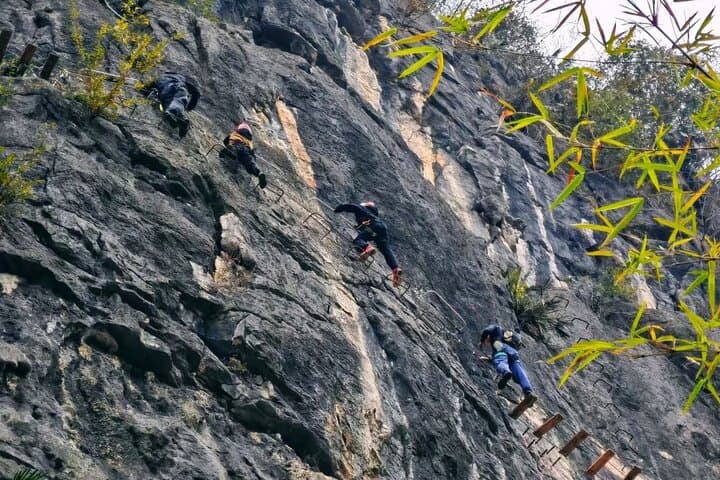
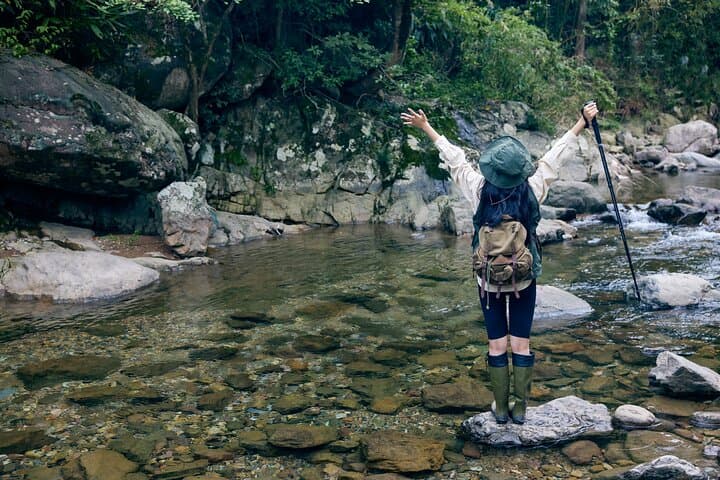
You step onto a limestone apron beneath a fin of karst, the air carrying the damp, green smell of river and rice paddy. Guides clip into harnesses as bamboo boats drift past the cliff base; above, routes rise in clean faces and jutting tufas, 5 to 15 meters of exposed limestone that demand attention more than brute strength. The day unfolds in deliberate stages: a morning on rock or a steel‑cabled via ferrata, a riverside lunch with views across the Li River, and an afternoon negotiating clear, cool channels at Yuanheping where water tests balance and nerve.
Verified experiences and guided adventures in the surrounding area.
Operated by ChinaTravelVip · Yangshuo, Guangxi
You step onto a limestone apron beneath a fin of karst, the air carrying the damp, green smell of river and rice paddy. Guides clip into harnesses as bamboo boats drift past the cliff base; above, routes rise in clean faces and jutting tufas, 5 to 15 meters of exposed limestone that demand attention more than brute strength. The day unfolds in deliberate stages: a morning on rock or a steel‑cabled via ferrata, a riverside lunch with views across the Li River, and an afternoon negotiating clear, cool channels at Yuanheping where water tests balance and nerve.
Yangshuo’s karst peaks are products of millions of years of soluble limestone being etched by rain and river. These steep cones and ridges dominate Guangxi’s lowlands and have shaped local life for centuries — terraces and fishing platforms carve around them; villages orient toward the water. The climbing here is as much geological classroom as playground: pockets and scallops tell of pooling water; sharp holds mark fossilized reef layers.
Culturally, Yangshuo remains a working river valley. Meals center on freshwater fish, taro and seasonal greens; the riverside eco‑restaurant on this route serves Li River steamed fish and osmanthus taro soup — simple, high on local flavor and timed for a midday refuel.
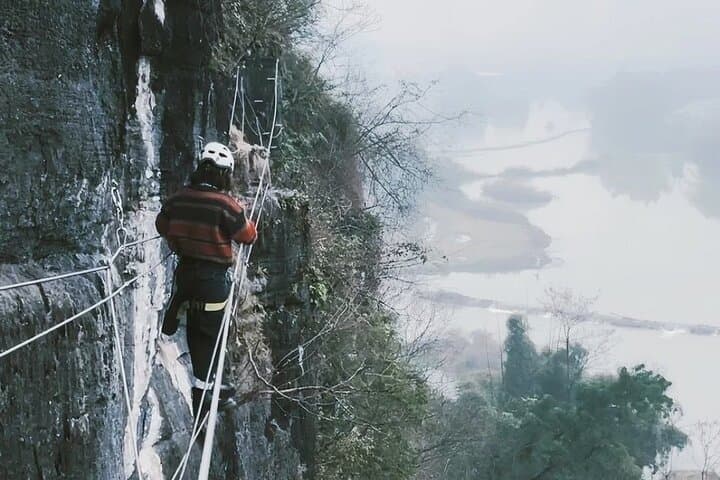
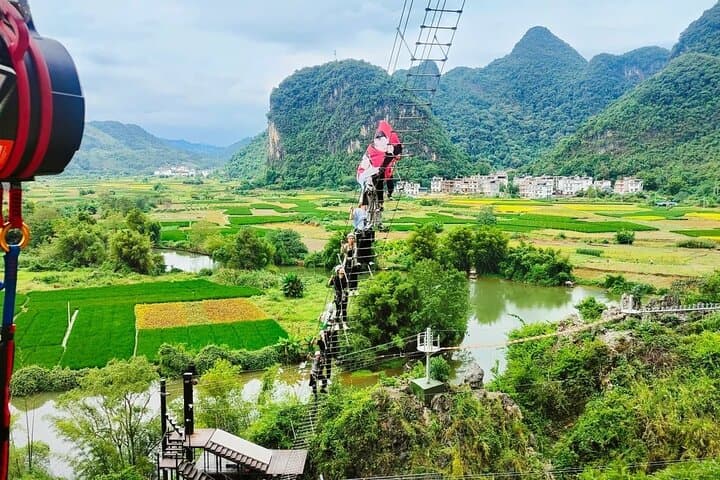
The ferrata option bolts you to a human‑made line that threads cliff edges and suspension bridges, giving a controlled exposure for those who want height without complex lead climbing. The natural rock option is coached at about a 1:4 instructor ratio with top‑rope guidance for beginners and short multi‑pitch feel for stronger climbers.
Practical guide: the full program runs roughly 8–12 hours door‑to‑door with private transfer and lunch included. Expect cumulative exertion rather than long uphill slog — climbs are short and intense (5–15 m), while river tracing asks continuous movement: scrambling, short jumps (usually under 1.5 m), and swimming through deeper pools. Water temperature is comfortable from spring through autumn but can be cooler in early spring or late fall.
Safety and preparation: bring quick‑dry layers, closed‑heel water shoes, and a light dry set for the return. Guides provide helmets, harnesses, via ferrata kits and safety briefing; good baseline fitness and confidence in water are required. Photographers should favor late morning to capture the cliffs with even light and evening for golden sidelighting across the Li River.
For travelers who want a full‑day of vertical terrain and moving water in one place, this Yangshuo program stitches together the defining elements of Guilin’s landscape — raw limestone, steady river rhythms, and food that seems made to replace the calories you just burned.
challenging.
8–12 hours.
High level of fitness recommended — good balance, stamina for continuous movement, and comfort in water required.
No — beginners can choose coached top‑rope routes or the via ferrata; instructors provide gear, briefing and hands‑on support.
Yes — you should be comfortable in deep pools and able to swim short distances; guides assist where needed but participants must self‑rescue basic moves.
Guides supply helmets, harnesses, via ferrata lanyards, and personal flotation devices for the river section.
The full day is roughly 8–12 hours with private, air‑conditioned transport and hotel pickup included where available.
Lunch at the Yulong Riverside eco‑restaurant is included — expect local dishes like Li River steamed fish and osmanthus taro soup.
Children who are physically fit and comfortable in water may participate, but check operator age and weight limits and expect a higher instructor ratio for minors.
Yangshuo’s river valleys have been shaped by agricultural communities for centuries; the karst forms were recognized in Chinese landscape painting and tourism since the Qing era.
Stick to marked entry points and avoid trampling riverside vegetation; operators typically follow local waste disposal rules to minimize impact on fragile karst streams.
ChinaTravelVip operates guided outdoor trips and adventures with an emphasis on safety, stewardship, and memorable experiences.
You step onto a limestone apron beneath a fin of karst, the air carrying the damp, green smell of river and rice paddy. Guides clip into harnesses as bamboo boats drift past the cliff base; above, routes rise in clean faces and jutting tufas, 5 to 15 meters of exposed limestone that demand attention more than brute strength. The day unfolds in deliberate stages: a morning on rock or a steel‑cabled via ferrata, a riverside lunch with views across the Li River, and an afternoon negotiating clear, cool channels at Yuanheping where water tests balance and nerve.
You step onto a limestone apron beneath a fin of karst, the air carrying the damp, green smell of river and rice paddy. Guides clip into harnesses as bamboo boats drift past the cliff base; above, routes rise in clean faces and jutting tufas, 5 to 15 meters of exposed limestone that demand attention more than brute strength. The day unfolds in deliberate stages: a morning on rock or a steel‑cabled via ferrata, a riverside lunch with views across the Li River, and an afternoon negotiating clear, cool channels at Yuanheping where water tests balance and nerve.
Yangshuo’s karst peaks are products of millions of years of soluble limestone being etched by rain and river. These steep cones and ridges dominate Guangxi’s lowlands and have shaped local life for centuries — terraces and fishing platforms carve around them; villages orient toward the water. The climbing here is as much geological classroom as playground: pockets and scallops tell of pooling water; sharp holds mark fossilized reef layers.
Culturally, Yangshuo remains a working river valley. Meals center on freshwater fish, taro and seasonal greens; the riverside eco‑restaurant on this route serves Li River steamed fish and osmanthus taro soup — simple, high on local flavor and timed for a midday refuel.
The ferrata option bolts you to a human‑made line that threads cliff edges and suspension bridges, giving a controlled exposure for those who want height without complex lead climbing. The natural rock option is coached at about a 1:4 instructor ratio with top‑rope guidance for beginners and short multi‑pitch feel for stronger climbers.
Practical guide: the full program runs roughly 8–12 hours door‑to‑door with private transfer and lunch included. Expect cumulative exertion rather than long uphill slog — climbs are short and intense (5–15 m), while river tracing asks continuous movement: scrambling, short jumps (usually under 1.5 m), and swimming through deeper pools. Water temperature is comfortable from spring through autumn but can be cooler in early spring or late fall.
Safety and preparation: bring quick‑dry layers, closed‑heel water shoes, and a light dry set for the return. Guides provide helmets, harnesses, via ferrata kits and safety briefing; good baseline fitness and confidence in water are required. Photographers should favor late morning to capture the cliffs with even light and evening for golden sidelighting across the Li River.
For travelers who want a full‑day of vertical terrain and moving water in one place, this Yangshuo program stitches together the defining elements of Guilin’s landscape — raw limestone, steady river rhythms, and food that seems made to replace the calories you just burned.