THE ADVENTURE COLLECTIVE® · Independent discovery and booking for outdoor travel

Walk Yangshuo’s Old District with a local guide to sample steamed dumplings, oil tea, bamboo-pickles and rice wine. This four-hour small-group tour pairs sensory street food with cultural context and easy walking.
Walk Yangshuo’s Old District with a local guide to sample steamed dumplings, oil tea, bamboo-pickles and rice wine. This four-hour small-group tour pairs sensory street food with cultural context and easy walking.
Under the paper lanterns of Yangshuo’s Old District, steam coils from bamboo baskets and the clatter of woks maps the route ahead. A small-group guide threads you through narrow lanes where vendors plate steamed dumplings, pour oil tea from height, and offer bamboo-pickled snacks — each stall a compact lesson in local taste and technique.
Verified experiences and guided adventures in the surrounding area.
Operated by Hans · Yangshuo, Guangxi
Under the paper lanterns of Yangshuo’s Old District, steam coils from bamboo baskets and the clatter of woks maps the route ahead. A small-group guide threads you through narrow lanes where vendors plate steamed dumplings, pour oil tea from height, and offer bamboo-pickled snacks — each stall a compact lesson in local taste and technique.
The food here reflects Guangxi’s karst-country history: limestone peaks that shaped travel and trade routes concentrated communities along the Li River, where riverine rice, freshwater fish, and preserved vegetables became staples. Hans Street itself is a modern crossroads of that history — a place where centuries-old techniques meet hands-on street cooking and the occasional tourist-curated stall.
Culturally, expect conversations about communal eating and rice-wine toasts; guides translate names, ingredients, and etiquette so you can taste with context. Geology and agriculture meet on the plate: sticky rice, millet, and river fish, plus the region’s famed sour-and-spicy notes influenced by long-preservation methods.
Practicalities: the tour runs about four hours, walks at an easy pace, and limits groups to roughly eight guests for a personal feel. Bring small bills, a reusable water bottle, and an appetite for salt, spice, and textures you may not recognize at first. Note dietary requests in advance — vendors vary — and avoid if you have heart, spinal, or pregnancy restrictions. Timing early evening gives cooler temperatures and liveliest stalls. Expect a mix of standing eats and short seated stops; comfortable shoes and curiosity are the best prep.
easy.
3–4 hours.
Light walking ability; suitable for most who can stand and walk short distances intermittently.
Yes — the itinerary covers several tastings and drinks as listed; your guide will indicate any optional purchases not included.
Yes, but options vary by vendor—note dietary restrictions at booking so the guide can plan suitable stops.
Meeting point is in Yangshuo Old District (details provided after booking); the tour lasts about four hours, typically in the early evening.
Infants in strollers are permitted, but the tour includes crowded narrow lanes; small children should be monitored closely.
Yangshuo’s food culture grew around river commerce and karst-era settlements, blending riverine staples with preserved and pickled techniques that kept food stable through monsoon seasons.
Support vendors who use reusable dishes and minimal plastic; Yangshuo balances tourism and fragile karst ecosystems, so minimize waste and follow local guidance.
Hans operates guided outdoor trips and adventures with an emphasis on safety, stewardship, and memorable experiences.

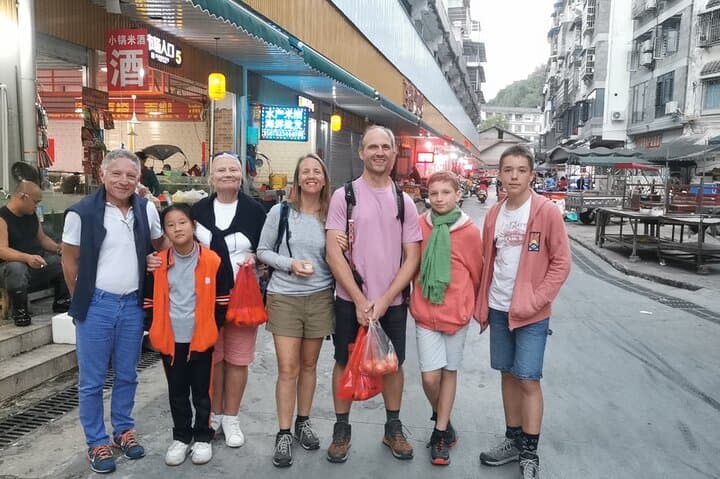


Under the paper lanterns of Yangshuo’s Old District, steam coils from bamboo baskets and the clatter of woks maps the route ahead. A small-group guide threads you through narrow lanes where vendors plate steamed dumplings, pour oil tea from height, and offer bamboo-pickled snacks — each stall a compact lesson in local taste and technique.
Under the paper lanterns of Yangshuo’s Old District, steam coils from bamboo baskets and the clatter of woks maps the route ahead. A small-group guide threads you through narrow lanes where vendors plate steamed dumplings, pour oil tea from height, and offer bamboo-pickled snacks — each stall a compact lesson in local taste and technique.
The food here reflects Guangxi’s karst-country history: limestone peaks that shaped travel and trade routes concentrated communities along the Li River, where riverine rice, freshwater fish, and preserved vegetables became staples. Hans Street itself is a modern crossroads of that history — a place where centuries-old techniques meet hands-on street cooking and the occasional tourist-curated stall.
Culturally, expect conversations about communal eating and rice-wine toasts; guides translate names, ingredients, and etiquette so you can taste with context. Geology and agriculture meet on the plate: sticky rice, millet, and river fish, plus the region’s famed sour-and-spicy notes influenced by long-preservation methods.
Practicalities: the tour runs about four hours, walks at an easy pace, and limits groups to roughly eight guests for a personal feel. Bring small bills, a reusable water bottle, and an appetite for salt, spice, and textures you may not recognize at first. Note dietary requests in advance — vendors vary — and avoid if you have heart, spinal, or pregnancy restrictions. Timing early evening gives cooler temperatures and liveliest stalls. Expect a mix of standing eats and short seated stops; comfortable shoes and curiosity are the best prep.