THE ADVENTURE COLLECTIVE® · Independent discovery and booking for outdoor travel

Move slowly through Taichi in Yangshuo Park, learn to cook local dishes, and try traditional Chinese watercolor in a single six‑hour day. This practical guide explains what to expect, how to prepare, and local insights to make the most of the experience.
Move slowly through Taichi in Yangshuo Park, learn to cook local dishes, and try traditional Chinese watercolor in a single six‑hour day. This practical guide explains what to expect, how to prepare, and local insights to make the most of the experience.
Dawn light lifts over karst pinnacles as a soft chorus of footsteps and slow breaths gathers in Yangshuo Park. You move through Taichi forms on dewy grass while osmanthus and bamboo sway like patient instructors; downstream, the Yulong River dares the day to hurry. The morning's calm frames a hands-on cultural loop: a martial arts session that centers the body, a cooking lesson that teaches local techniques and flavors, and a traditional Chinese watercolor class that slows the eye.
Verified experiences and guided adventures in the surrounding area.
Operated by Truly China International Travel Service · Yangshuo, Guangxi
Dawn light lifts over karst pinnacles as a soft chorus of footsteps and slow breaths gathers in Yangshuo Park. You move through Taichi forms on dewy grass while osmanthus and bamboo sway like patient instructors; downstream, the Yulong River dares the day to hurry. The morning's calm frames a hands-on cultural loop: a martial arts session that centers the body, a cooking lesson that teaches local techniques and flavors, and a traditional Chinese watercolor class that slows the eye.
The activities sit against a layered local story: Yangshuo's karst topography has guided settlement and river trade for centuries, and local food traditions grew from rice terraces and river fish. Taichi and kungfu here are both practical exercise and cultural expression; watercolor painting follows techniques developed over centuries of literati practice. Small-group instruction from English-speaking teachers focuses on transferable skills—breath, knife technique, and brush control—so you leave with a meal you prepared and a finished painting.
Practical notes: allow a full day (about six hours), pick a morning Taichi slot to avoid midday heat, and expect mostly flat, park and village terrain with short standing and bench seating during lessons. Bring a reusable water bottle, sun protection, and comfortable clothing you can move in. If you have dietary restrictions or mobility needs, confirm them at booking; public transport and short taxi rides connect the park, riverside villages, and Yangshuo town easily.
This is a learning-focused, low-impact day that pairs active cultural exchange with accessible outdoor moments — ideal for travelers who want skill-based souvenirs rather than passive sightseeing.
easy.
6 hours.
Suitable for most fitness levels; participants should be able to stand, walk short distances, and perform gentle movement for up to 30 minutes at a time.
No—classes are taught for beginners with step‑by‑step instruction; exercises are adapted to the group's level.
Yes—most cooking lessons can accommodate dietary restrictions if you notify the operator during booking or on arrival.
Public transportation and taxis are available nearby; some operators may offer pickup—confirm your pickup point at booking.
Full refund if you cancel at least 24 hours before the scheduled departure; check your booking confirmation for details.
Yangshuo grew as a riverine market area framed by karst peaks; local arts and food evolved from rice cultivation, river fishing, and a long tradition of brush painting in southern China.
Tourism affects river clarity and village life; choose small local operators, avoid single‑use plastics, and follow instructor guidance to minimize impact.
Truly China International Travel Service operates guided outdoor trips and adventures with an emphasis on safety, stewardship, and memorable experiences.
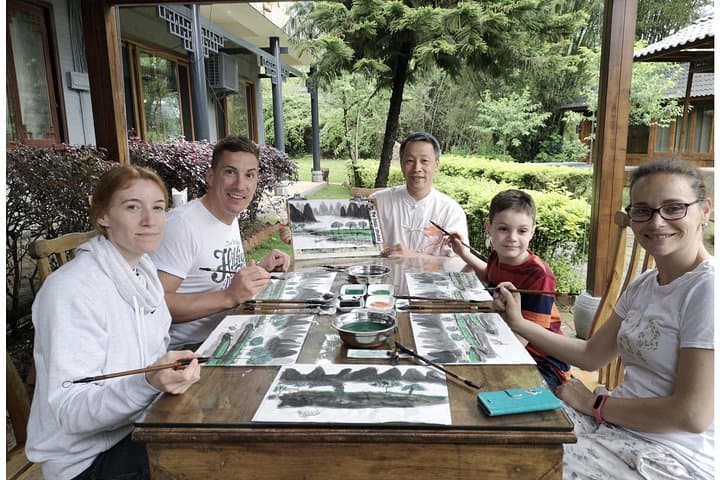
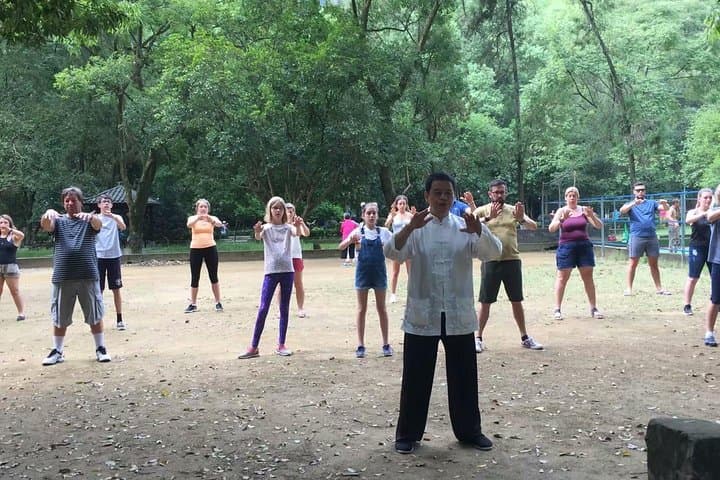
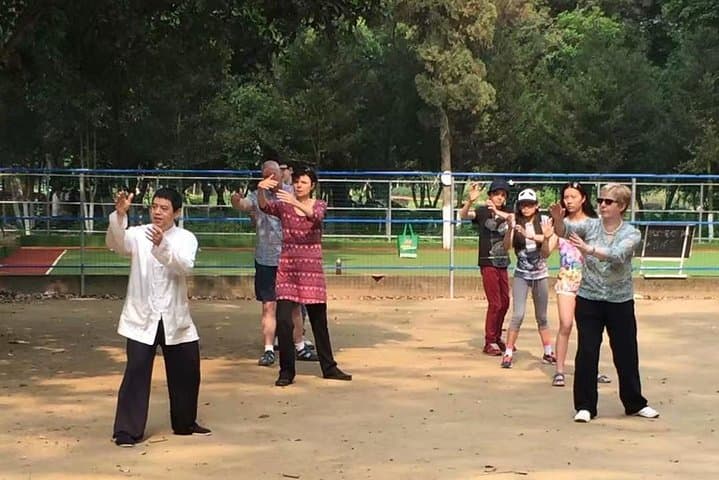
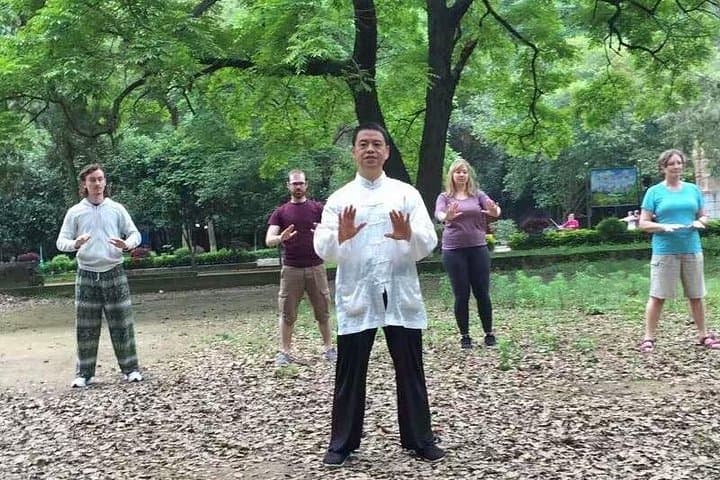
Dawn light lifts over karst pinnacles as a soft chorus of footsteps and slow breaths gathers in Yangshuo Park. You move through Taichi forms on dewy grass while osmanthus and bamboo sway like patient instructors; downstream, the Yulong River dares the day to hurry. The morning's calm frames a hands-on cultural loop: a martial arts session that centers the body, a cooking lesson that teaches local techniques and flavors, and a traditional Chinese watercolor class that slows the eye.
Dawn light lifts over karst pinnacles as a soft chorus of footsteps and slow breaths gathers in Yangshuo Park. You move through Taichi forms on dewy grass while osmanthus and bamboo sway like patient instructors; downstream, the Yulong River dares the day to hurry. The morning's calm frames a hands-on cultural loop: a martial arts session that centers the body, a cooking lesson that teaches local techniques and flavors, and a traditional Chinese watercolor class that slows the eye.
The activities sit against a layered local story: Yangshuo's karst topography has guided settlement and river trade for centuries, and local food traditions grew from rice terraces and river fish. Taichi and kungfu here are both practical exercise and cultural expression; watercolor painting follows techniques developed over centuries of literati practice. Small-group instruction from English-speaking teachers focuses on transferable skills—breath, knife technique, and brush control—so you leave with a meal you prepared and a finished painting.
Practical notes: allow a full day (about six hours), pick a morning Taichi slot to avoid midday heat, and expect mostly flat, park and village terrain with short standing and bench seating during lessons. Bring a reusable water bottle, sun protection, and comfortable clothing you can move in. If you have dietary restrictions or mobility needs, confirm them at booking; public transport and short taxi rides connect the park, riverside villages, and Yangshuo town easily.
This is a learning-focused, low-impact day that pairs active cultural exchange with accessible outdoor moments — ideal for travelers who want skill-based souvenirs rather than passive sightseeing.