THE ADVENTURE COLLECTIVE® · Independent discovery and booking for outdoor travel

A compact half-day journey from Kathmandu leads to Pharping’s Yangleshö caves, Vajrayogini temple and a towering Guru Rinpoche statue. This short hike mixes easy trail sections with rich Buddhist and Hindu ritual sites—ideal for travelers wanting cultural depth without a long trek.
A compact half-day journey from Kathmandu leads to Pharping’s Yangleshö caves, Vajrayogini temple and a towering Guru Rinpoche statue. This short hike mixes easy trail sections with rich Buddhist and Hindu ritual sites—ideal for travelers wanting cultural depth without a long trek.
The road from Kathmandu falls away into terraced fields and low hills; within an hour the city’s noise loosens and the air feels cooler. At Pharping, prayer flags mark a steep track that leads up to the Asura (Yangleshö) caves, where wind-sanded rock and carved steps guide visitors past small shrines, a mysterious handprint in stone, and statues locals describe as self-arising.
Verified experiences and guided adventures in the surrounding area.
Operated by Liberty Holidays · Pharping, Bagmati Province
The road from Kathmandu falls away into terraced fields and low hills; within an hour the city’s noise loosens and the air feels cooler. At Pharping, prayer flags mark a steep track that leads up to the Asura (Yangleshö) caves, where wind-sanded rock and carved steps guide visitors past small shrines, a mysterious handprint in stone, and statues locals describe as self-arising.
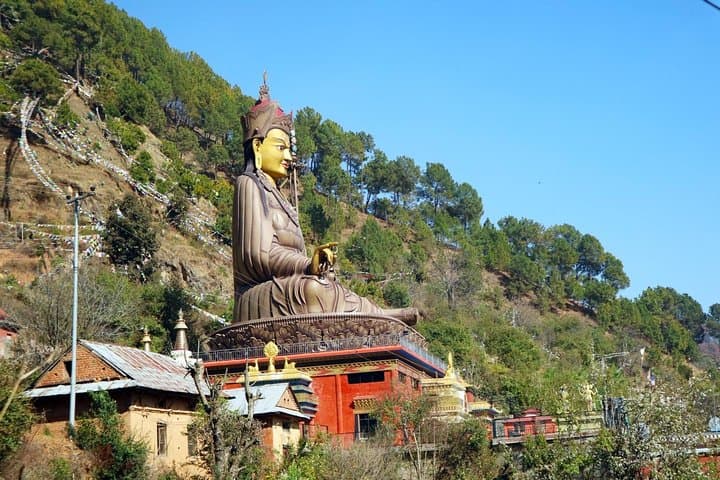
This cluster of sites combines Newar Buddhism and Hindu practice: the 17th-century Vajrayogini temple stakes a place in the Kathmandu mandala of tantric shrines, Sesh Narayan represents one of the valley’s ancient Narayana temples tied to the Licchavi era, and a 40m statue of Guru Rinpoche watches the valley from a recent monastery complex.
Geology here is practical—weathered rock faces, shallow caves, and stepped hill trails shaped by monsoon runoff—and culture is immediate: offerings, mantras, and modest dress code matter. Expect short sections of uneven stone steps and packed dirt paths rather than alpine terrain.
Practical guide: plan for a 4–5 hour outing including transfers; hotel pickup is commonly offered. Wear comfortable walking shoes, bring water and sun protection, and carry a light rain layer during monsoon months. Leave shoes at temple thresholds, ask before photographing inside shrines, and allow time for quiet observation; guides are useful for interpreting iconography and local stories. The route is well suited to travelers of average fitness who can handle brief uphill walks and stair climbs.
easy.
5 hours.
Suitable for travelers with basic fitness; able to walk short uphill stretches and negotiate stone steps.
The site visit includes short hikes and stair climbs; expect 45–90 minutes on foot spread across multiple shrines within the half-day tour.
Guided tours typically include applicable entrance fees, but confirm at booking—some pickups outside Kathmandu ring road may add charges.
Yes—physical effort is moderate with short uphill sections; travelers with severe mobility issues or serious heart conditions should avoid strenuous parts.
Photography rules vary by shrine—always ask the guide or temple attendant and avoid flash or photographing worshippers during rituals.
Pharping is associated with Guru Padmasambhava (Padmasambhava) and tantric Newar Buddhist practice; the Narayana temples date back to Licchavi-era traditions that shaped the Kathmandu Valley’s sacred geography.
Respect offerings, avoid removing stones or artifacts, and stick to established paths to limit erosion on steep, weathered slopes.
Liberty Holidays operates guided outdoor trips and adventures with an emphasis on safety, stewardship, and memorable experiences.
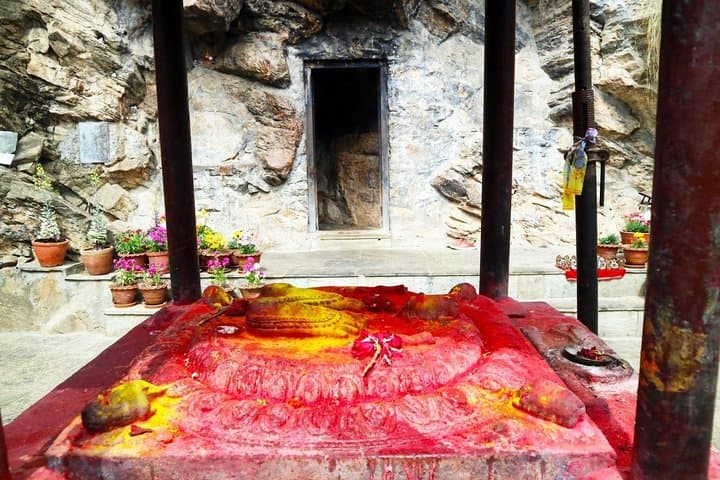
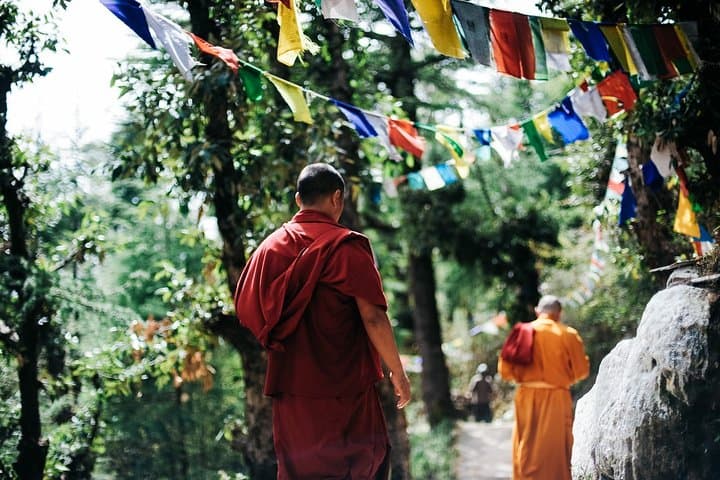
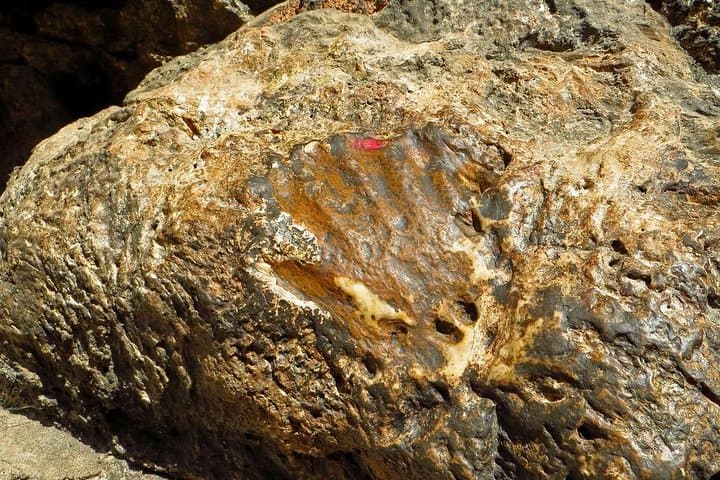
The road from Kathmandu falls away into terraced fields and low hills; within an hour the city’s noise loosens and the air feels cooler. At Pharping, prayer flags mark a steep track that leads up to the Asura (Yangleshö) caves, where wind-sanded rock and carved steps guide visitors past small shrines, a mysterious handprint in stone, and statues locals describe as self-arising.
The road from Kathmandu falls away into terraced fields and low hills; within an hour the city’s noise loosens and the air feels cooler. At Pharping, prayer flags mark a steep track that leads up to the Asura (Yangleshö) caves, where wind-sanded rock and carved steps guide visitors past small shrines, a mysterious handprint in stone, and statues locals describe as self-arising.
This cluster of sites combines Newar Buddhism and Hindu practice: the 17th-century Vajrayogini temple stakes a place in the Kathmandu mandala of tantric shrines, Sesh Narayan represents one of the valley’s ancient Narayana temples tied to the Licchavi era, and a 40m statue of Guru Rinpoche watches the valley from a recent monastery complex.
Geology here is practical—weathered rock faces, shallow caves, and stepped hill trails shaped by monsoon runoff—and culture is immediate: offerings, mantras, and modest dress code matter. Expect short sections of uneven stone steps and packed dirt paths rather than alpine terrain.
Practical guide: plan for a 4–5 hour outing including transfers; hotel pickup is commonly offered. Wear comfortable walking shoes, bring water and sun protection, and carry a light rain layer during monsoon months. Leave shoes at temple thresholds, ask before photographing inside shrines, and allow time for quiet observation; guides are useful for interpreting iconography and local stories. The route is well suited to travelers of average fitness who can handle brief uphill walks and stair climbs.