THE ADVENTURE COLLECTIVE® · Independent discovery and booking for outdoor travel

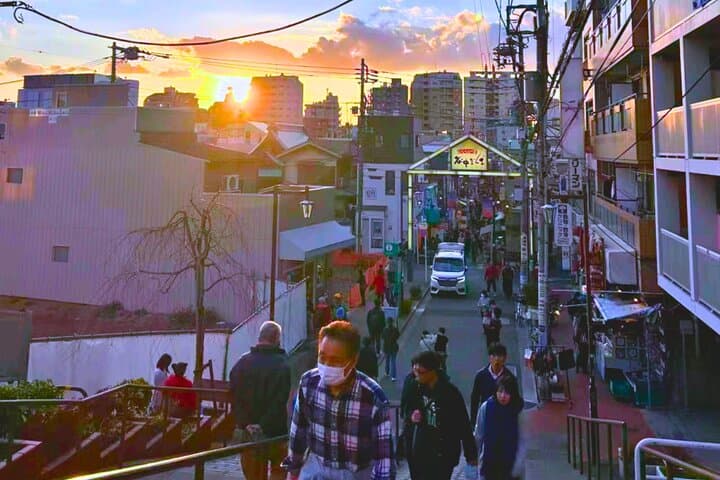
Explore Tokyo’s quieter side on a two-hour guided walk through Nezu Shrine and Yanaka’s old streets. Learn Edo-era history, see torii tunnels and cherry-lined cemetery paths, and sample local snacks on Yanaka Ginza.
Explore Tokyo’s quieter side on a two-hour guided walk through Nezu Shrine and Yanaka’s old streets. Learn Edo-era history, see torii tunnels and cherry-lined cemetery paths, and sample local snacks on Yanaka Ginza.
The walk begins on a narrow lane where tile roofs press close and the city’s rush falls away to the measured creak of wooden doors.
Verified experiences and guided adventures in the surrounding area.
Operated by Sunrise Adventure · Tokyo, Tokyo
The walk begins on a narrow lane where tile roofs press close and the city’s rush falls away to the measured creak of wooden doors.
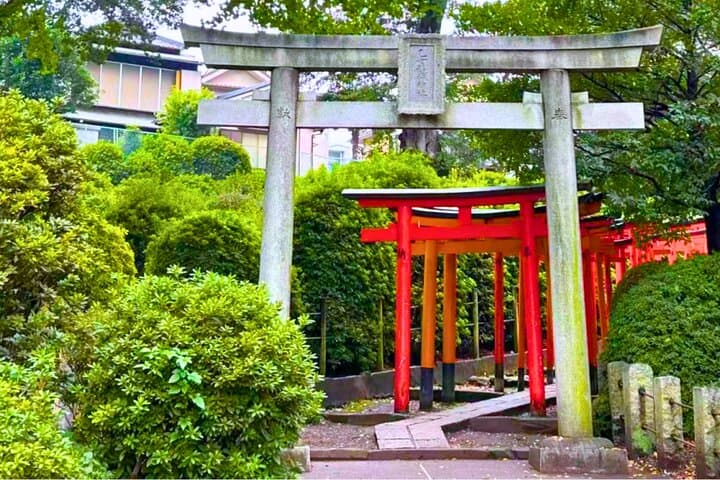
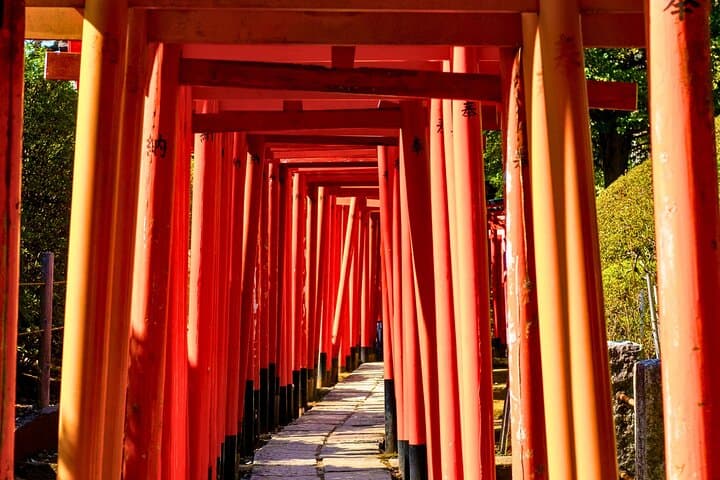
You enter Nezu Shrine through a corridor of vermilion torii that channels light and shade; the path feels like an invitation to slow down. From there the route slides into Yanaka Cemetery, where cherry trees frame stone markers and a quiet that once meant the seat of Edo lingers in plain sight.
Yanaka’s streets preserve a working-class Tokyo from the Edo and Meiji eras—family shops, small temples, and the last resting places of notable samurai and the final Tokugawa shogun. Geologically the area sits on uplifted lowland of the old Tone River plain; the gentle relief keeps promenades easy, while pockets of older wooden construction reveal Tokyo’s pre-modern urban grain.
Local culture is tactile: incense smoke at shrines, shopkeepers calling across narrow alleys, and cats that have become unofficial mascots. Guides here point out seasonal rituals and the layered mix of Shinto and Buddhist practice that marks everyday life.
Practical guidance: this is an easy, low-impact walk best done early or late morning to avoid commuter crowds. Wear comfortable, grippy shoes for uneven pavement, carry a compact umbrella in the rainy months, and have small change for snacks at Yanaka Ginza. Respect temple etiquette—quiet voices, no flash photography at altars—and follow your guide’s route to see tucked-away galleries and photo spots few visitors find on their own.
easy.
2 hours.
Suitable for most fitness levels; expect 2 hours of easy-paced walking on mostly flat streets
This is an easy, mostly flat 2-hour walking tour suitable for most people; expect some short stretches of standing while the guide talks.
Most shrines and small temples in Yanaka are free to enter; if a paid garden or museum is visited it will be noted in the tour description.
Yes—small-group pacing and short distances make it appropriate for families; keep children close in narrow alleys and at busy crossings.
This specific listing typically provides English-speaking local guides; check booking details for multilingual options.
Yanaka and Nezu retain streets and shrines shaped by Edo-period growth; Yanaka Cemetery includes graves tied to the Tokugawa era and local notables.
Small businesses and local groups work to preserve low-rise wooden buildings and minimize overtourism; respect trails and shrine grounds to protect fragile sites.
Sunrise Adventure operates guided outdoor trips and adventures with an emphasis on safety, stewardship, and memorable experiences.
The walk begins on a narrow lane where tile roofs press close and the city’s rush falls away to the measured creak of wooden doors.
The walk begins on a narrow lane where tile roofs press close and the city’s rush falls away to the measured creak of wooden doors.
You enter Nezu Shrine through a corridor of vermilion torii that channels light and shade; the path feels like an invitation to slow down. From there the route slides into Yanaka Cemetery, where cherry trees frame stone markers and a quiet that once meant the seat of Edo lingers in plain sight.
Yanaka’s streets preserve a working-class Tokyo from the Edo and Meiji eras—family shops, small temples, and the last resting places of notable samurai and the final Tokugawa shogun. Geologically the area sits on uplifted lowland of the old Tone River plain; the gentle relief keeps promenades easy, while pockets of older wooden construction reveal Tokyo’s pre-modern urban grain.
Local culture is tactile: incense smoke at shrines, shopkeepers calling across narrow alleys, and cats that have become unofficial mascots. Guides here point out seasonal rituals and the layered mix of Shinto and Buddhist practice that marks everyday life.
Practical guidance: this is an easy, low-impact walk best done early or late morning to avoid commuter crowds. Wear comfortable, grippy shoes for uneven pavement, carry a compact umbrella in the rainy months, and have small change for snacks at Yanaka Ginza. Respect temple etiquette—quiet voices, no flash photography at altars—and follow your guide’s route to see tucked-away galleries and photo spots few visitors find on their own.