THE ADVENTURE COLLECTIVE® · Independent discovery and booking for outdoor travel

Board a private 4x4 at Hambantota Port and spend 4–7 hours exploring Yala’s lakes, scrub and grasslands for leopards, elephants and migratory waterbirds. Early mornings and late afternoons offer the best sightings—come prepared with binoculars, neutral clothing and sun protection.
Board a private 4x4 at Hambantota Port and spend 4–7 hours exploring Yala’s lakes, scrub and grasslands for leopards, elephants and migratory waterbirds. Early mornings and late afternoons offer the best sightings—come prepared with binoculars, neutral clothing and sun protection.
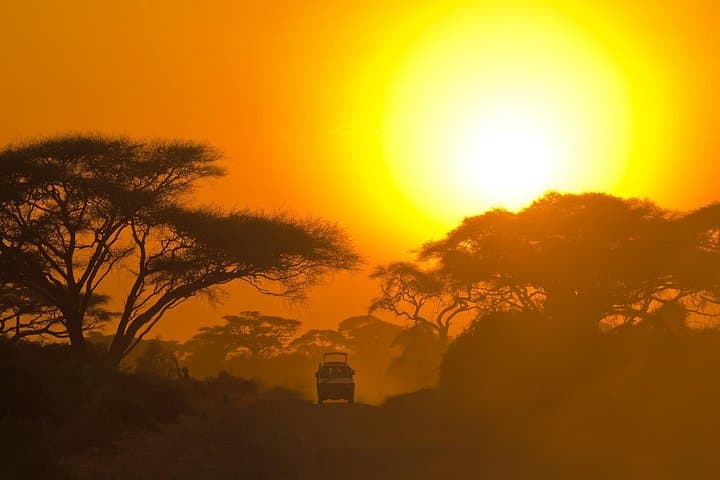
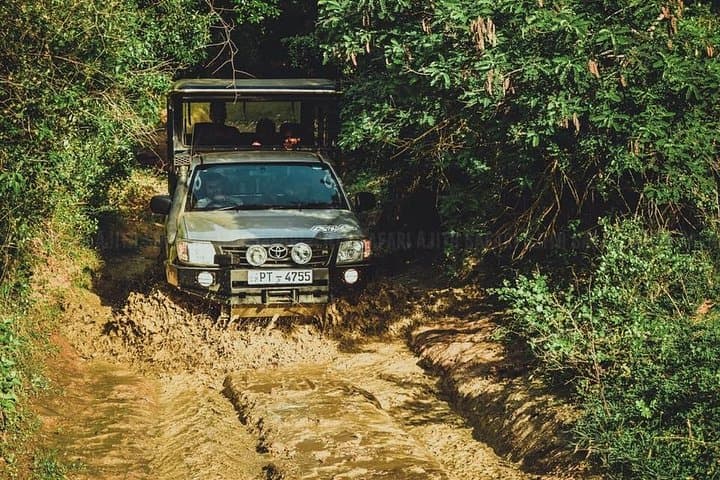
The low sun slants across a flat plain as your safari jeep bumps onto a dust track—lakes glint like coins and the dry forest breathes around you. Drivers ease the vehicle into a slow crawl; guides scan tree lines and reed beds, pointing out a flash of gold between branches. In Yala, movement is the signal: a ripple across grass, a trunk sweeping past, a cat's silhouette pausing by a waterhole.
Verified experiences and guided adventures in the surrounding area.
Operated by Shehan Safari · Hambantota, Southern Province
The low sun slants across a flat plain as your safari jeep bumps onto a dust track—lakes glint like coins and the dry forest breathes around you. Drivers ease the vehicle into a slow crawl; guides scan tree lines and reed beds, pointing out a flash of gold between branches. In Yala, movement is the signal: a ripple across grass, a trunk sweeping past, a cat's silhouette pausing by a waterhole.
Yala was formally set aside in the 20th century and today contains layered habitats—coastal lagoons, scrub forest, grasslands and rocky outcrops—shaped by monsoon rhythms and ancient shorelines. The park’s geology favors exposed gneiss and granite patches that funnel animals to permanent tanks (man-made reservoirs) and natural ponds. Local communities around Hambantota and Tissamaharama maintain cultural ties to these landscapes through water management and temple sites that predate modern boundaries.
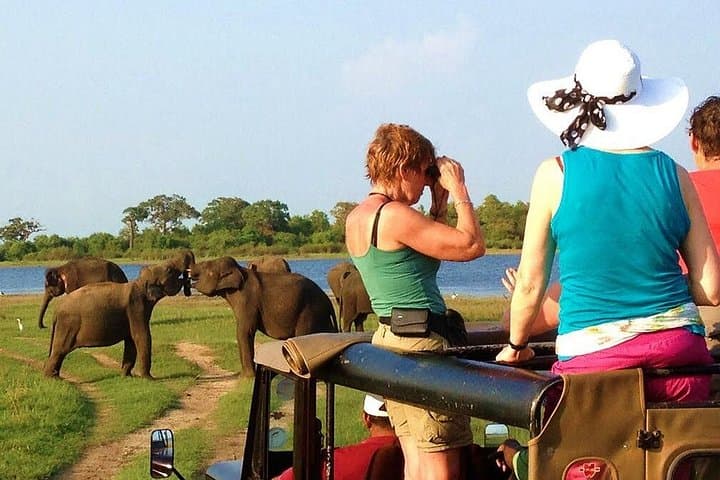
Practically, expect a private 4x4 ride of roughly 4–7 hours from Hambantota Port with a local driver-guide. Wildlife viewing concentrates around lakes and marshes; leopards are most often sighted near watering holes, elephants move in loose herds, and migratory waterbirds arrive November–March. Bring a long lens, binoculars, sun protection and insect repellent. Dress in muted colors, keep voices low, and let the guide choose track lines—sticking to park roads reduces disturbance and increases chances of close, safe sightings.
Timing is everything: dawn and late afternoon compress activity into watchable windows. Hydrate, charge batteries, and be ready for sudden, silent encounters—the landscape in Yala is watchful and will not wait.
easy.
4–7 hours.
Suitable for most fitness levels; minimal walking required but several hours sitting on uneven jeep terrain.
Park entry fees and permits are handled at the park; this shore excursion covers port pickup and jeep transport but typically excludes park admission—confirm with the operator.
Yala has one of the highest leopard densities in the region, but sightings are not guaranteed—early and late drives improve odds.
Yes—safari jeeps provide seated drives with minimal walking; disclose any mobility needs when booking so guides can accommodate.
Wear muted, breathable clothing, closed shoes, sun protection, insect repellent, binoculars, and fully charged cameras; avoid bright colors that may spook wildlife.
Yala was designated a wildlife reserve in the early 20th century and later became a national park, protecting a mosaic of coastal and dry-zone habitats.
Stick to guided routes, avoid feeding or approaching animals, and follow your guide’s instructions—these behaviors reduce stress on wildlife and support park management efforts.
Shehan Safari operates guided outdoor trips and adventures with an emphasis on safety, stewardship, and memorable experiences.

The low sun slants across a flat plain as your safari jeep bumps onto a dust track—lakes glint like coins and the dry forest breathes around you. Drivers ease the vehicle into a slow crawl; guides scan tree lines and reed beds, pointing out a flash of gold between branches. In Yala, movement is the signal: a ripple across grass, a trunk sweeping past, a cat's silhouette pausing by a waterhole.
The low sun slants across a flat plain as your safari jeep bumps onto a dust track—lakes glint like coins and the dry forest breathes around you. Drivers ease the vehicle into a slow crawl; guides scan tree lines and reed beds, pointing out a flash of gold between branches. In Yala, movement is the signal: a ripple across grass, a trunk sweeping past, a cat's silhouette pausing by a waterhole.
Yala was formally set aside in the 20th century and today contains layered habitats—coastal lagoons, scrub forest, grasslands and rocky outcrops—shaped by monsoon rhythms and ancient shorelines. The park’s geology favors exposed gneiss and granite patches that funnel animals to permanent tanks (man-made reservoirs) and natural ponds. Local communities around Hambantota and Tissamaharama maintain cultural ties to these landscapes through water management and temple sites that predate modern boundaries.
Practically, expect a private 4x4 ride of roughly 4–7 hours from Hambantota Port with a local driver-guide. Wildlife viewing concentrates around lakes and marshes; leopards are most often sighted near watering holes, elephants move in loose herds, and migratory waterbirds arrive November–March. Bring a long lens, binoculars, sun protection and insect repellent. Dress in muted colors, keep voices low, and let the guide choose track lines—sticking to park roads reduces disturbance and increases chances of close, safe sightings.
Timing is everything: dawn and late afternoon compress activity into watchable windows. Hydrate, charge batteries, and be ready for sudden, silent encounters—the landscape in Yala is watchful and will not wait.