THE ADVENTURE COLLECTIVE® · Independent discovery and booking for outdoor travel

Set out from Tissamaharama for a private jeep safari through Yala National Park, where elephants, crocodiles and one of the world’s densest leopard populations roam. This full-day tour combines flexible morning or evening departures with a local driver-guide, park fees, and vehicle.
Set out from Tissamaharama for a private jeep safari through Yala National Park, where elephants, crocodiles and one of the world’s densest leopard populations roam. This full-day tour combines flexible morning or evening departures with a local driver-guide, park fees, and vehicle.
The jeep idles at dawn as the park gate yawns open and the dry scrublands of Yala push themselves into the light. Dust lifts like a promise; acacia and thorny bushes lean away from the heat as your guide scans the horizon. In the half-shadow of early morning you can feel the land stirring — elephants padding through grass, crocodiles warming on riverbanks, and birds knotting the air with bright, impatient calls.
Verified experiences and guided adventures in the surrounding area.
Operated by DN Tours Ahungalla · Tissamaharama, Southern Province
The jeep idles at dawn as the park gate yawns open and the dry scrublands of Yala push themselves into the light. Dust lifts like a promise; acacia and thorny bushes lean away from the heat as your guide scans the horizon. In the half-shadow of early morning you can feel the land stirring — elephants padding through grass, crocodiles warming on riverbanks, and birds knotting the air with bright, impatient calls.
Yala sits on Sri Lanka’s southeastern edge where Miocene sedimentary rock meets coastal plains. Historically a royal hunting ground and later a British reserve, it became a national park in 1938 and now protects habitats that support one of the world’s highest leopard densities. Local villages around Tissamaharama maintain cultural ties to the landscape; temple flags and fishermen’s nets are part of the human backdrop.
Expect bumpy tracks, wide-open vantage points, and long, patient hours of glassing and listening. A private 4-hour jeep window gives flexibility — mornings and evenings concentrate animal movement. Photography favors midday diffusion or golden-hour contrast depending on your subject.
Practical notes: wear breathable layers, bring a sun hat and insect repellent, and carry binoculars and a camera with a 200–400mm lens if you have one. Carside restrooms are limited; plan water and a small snack. Follow your guide’s instructions around wildlife — keep distance, stay in the vehicle, and avoid sudden movements. Timing matters: choose morning if you prefer cooler light and active mammals; evening runs can yield dramatic silhouettes and quieter tracks. Yala asks for patience, rewards with rarity, and leaves you with a clearer sense of wild behavior in a compact, intense ecosystem.
moderate.
10 hours (including transfers).
Low physical exertion required but expect extended periods seated on uneven terrain and occasional short climbs to viewpoints.
The guided jeep safari inside Yala is typically about 4 hours, with the full tour duration around 10 hours including pick-up and transfers.
Common sightings include elephants, spotted deer, water buffalo, crocodiles, and a wide variety of birds; leopards are present but sightings aren’t guaranteed.
Bottled water is provided according to the tour inclusions; bring additional snacks if you have dietary preferences or long transfer times.
The tour is family-friendly but not recommended for those with serious back or heart conditions; infant seats are available on request.
Yala was designated as a national park in 1938; its boundaries and management reflect colonial-era game reserves later adapted for conservation and tourism.
Visitor numbers are managed seasonally and guides are expected to follow strict viewing distances to minimize disturbance; support local community initiatives when possible.
DN Tours Ahungalla operates guided outdoor trips and adventures with an emphasis on safety, stewardship, and memorable experiences.
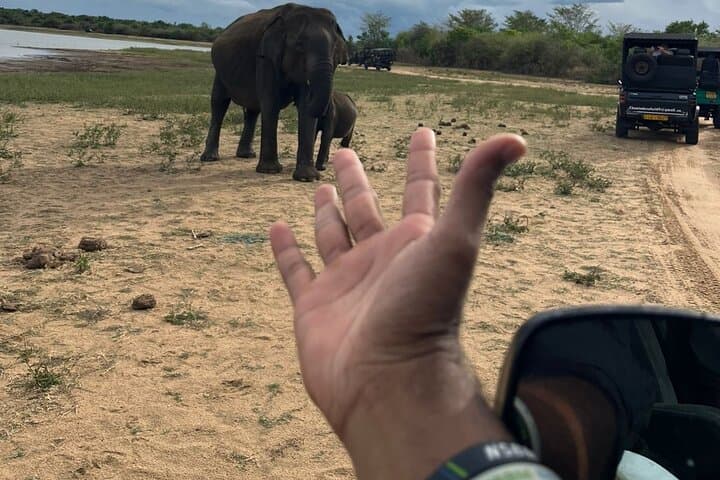
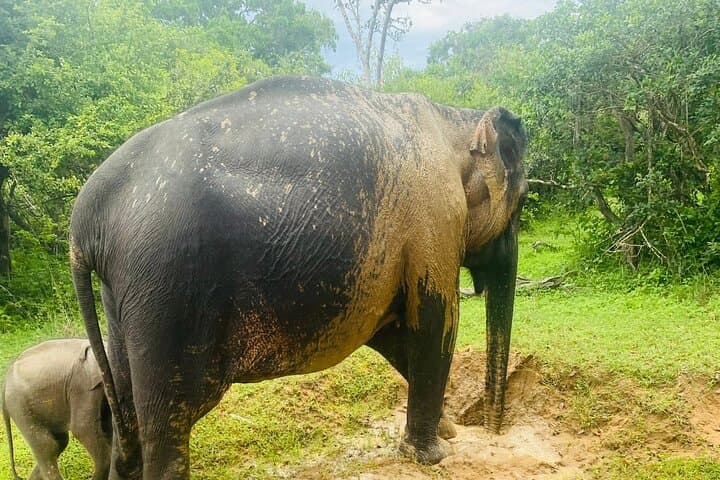
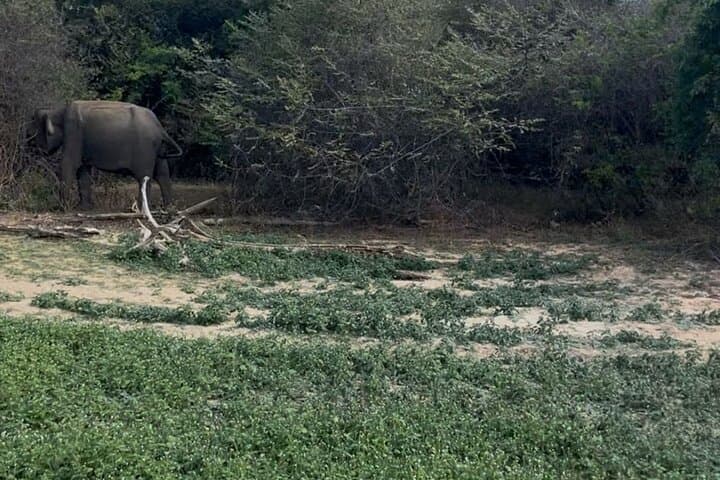
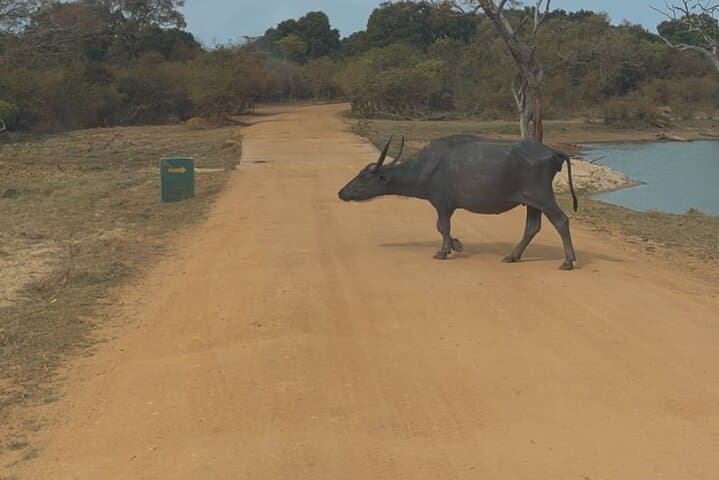
The jeep idles at dawn as the park gate yawns open and the dry scrublands of Yala push themselves into the light. Dust lifts like a promise; acacia and thorny bushes lean away from the heat as your guide scans the horizon. In the half-shadow of early morning you can feel the land stirring — elephants padding through grass, crocodiles warming on riverbanks, and birds knotting the air with bright, impatient calls.
The jeep idles at dawn as the park gate yawns open and the dry scrublands of Yala push themselves into the light. Dust lifts like a promise; acacia and thorny bushes lean away from the heat as your guide scans the horizon. In the half-shadow of early morning you can feel the land stirring — elephants padding through grass, crocodiles warming on riverbanks, and birds knotting the air with bright, impatient calls.
Yala sits on Sri Lanka’s southeastern edge where Miocene sedimentary rock meets coastal plains. Historically a royal hunting ground and later a British reserve, it became a national park in 1938 and now protects habitats that support one of the world’s highest leopard densities. Local villages around Tissamaharama maintain cultural ties to the landscape; temple flags and fishermen’s nets are part of the human backdrop.
Expect bumpy tracks, wide-open vantage points, and long, patient hours of glassing and listening. A private 4-hour jeep window gives flexibility — mornings and evenings concentrate animal movement. Photography favors midday diffusion or golden-hour contrast depending on your subject.
Practical notes: wear breathable layers, bring a sun hat and insect repellent, and carry binoculars and a camera with a 200–400mm lens if you have one. Carside restrooms are limited; plan water and a small snack. Follow your guide’s instructions around wildlife — keep distance, stay in the vehicle, and avoid sudden movements. Timing matters: choose morning if you prefer cooler light and active mammals; evening runs can yield dramatic silhouettes and quieter tracks. Yala asks for patience, rewards with rarity, and leaves you with a clearer sense of wild behavior in a compact, intense ecosystem.