THE ADVENTURE COLLECTIVE® · Independent discovery and booking for outdoor travel

Set out before dawn for a jeep safari through Yala National Park where elephants, sloth bears and elusive leopards patrol scrub and lagoon edges. This practical guide explains what you’ll see, when to go, and how to prepare for a day in Sri Lanka’s wild southeast.
Set out before dawn for a jeep safari through Yala National Park where elephants, sloth bears and elusive leopards patrol scrub and lagoon edges. This practical guide explains what you’ll see, when to go, and how to prepare for a day in Sri Lanka’s wild southeast.
The jeep cuts through dawn mist as the park wakes — dry grass whispering, a distant trumpet announcing an elephant herd. In Yala National Park the landscape feels alive: scrub forest giving way to coastal lagoons, open plains where spotted deer scatter and the water mirrors a flight of kingfishers.
Verified experiences and guided adventures in the surrounding area.
Operated by Manju Tours · Tissamaharama, Southern Province
The jeep cuts through dawn mist as the park wakes — dry grass whispering, a distant trumpet announcing an elephant herd. In Yala National Park the landscape feels alive: scrub forest giving way to coastal lagoons, open plains where spotted deer scatter and the water mirrors a flight of kingfishers.
Yala occupies a stretch of Sri Lanka’s southeast coast, shaped by ancient coastal sediments and seasonal monsoons that carve lagoons and pockets of dense thorn forest. The park’s human story runs from prehistoric settlement and local agricultural practices to more recent conservation efforts; villagers around Tissamaharama still cultivate paddy fields visible from the park’s edges, a reminder of how wildlife and farming coexist here.
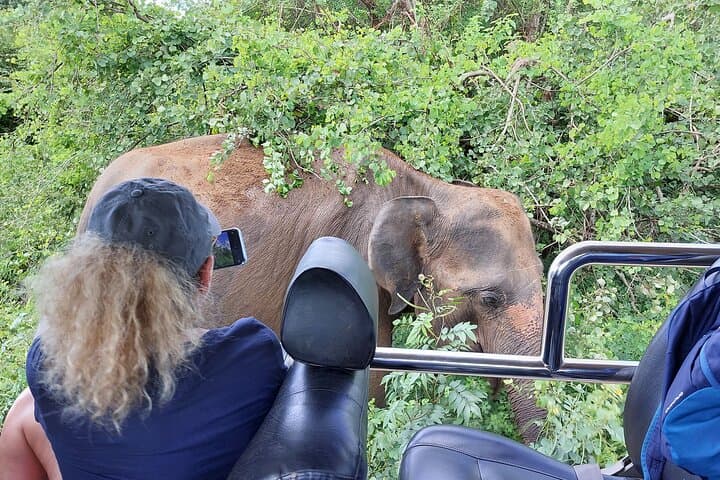
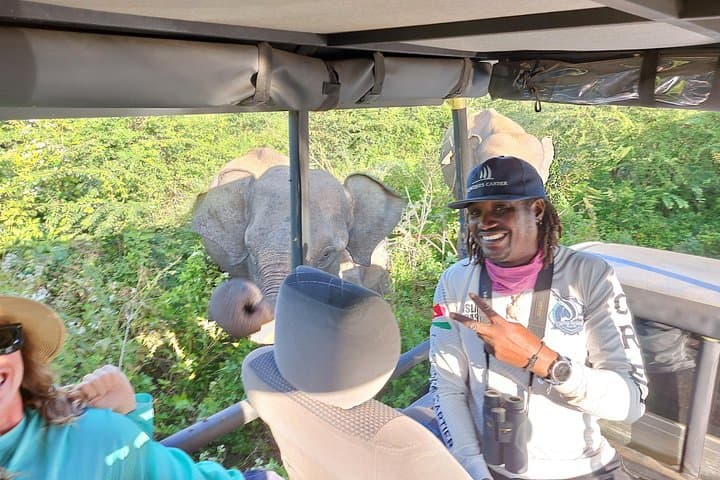
On a guided safari you’ll focus on large mammals — Asian elephant families, sloth bears, water buffalo and the park’s most famous resident, the elusive leopard — plus peacocks, crocodiles and a rich bird list. Tracks on sandy roads and the sudden hush of the jeep are the real clues; sightings are about being in the right place at the right time.
Practical tips: safaris run 5–8 hours and are best at first light or late afternoon when animals are active. Wear muted colors, bring binoculars, ample water and sun protection, and expect bumpy tracks — motion sickness medication helps. Respect the guides’ distance rules; animals set the pace here. With some patience and a knowledgeable driver, Yala delivers close, cinematic wildlife encounters framed by coastal light and raw, open country.
easy.
5–8 hours.
Suitable for most fitness levels; requires ability to sit in a jeep for several hours and manage short uneven walks.
Leopard sightings are possible but not guaranteed; guides know habitual territories and early/late drives increase your chance.
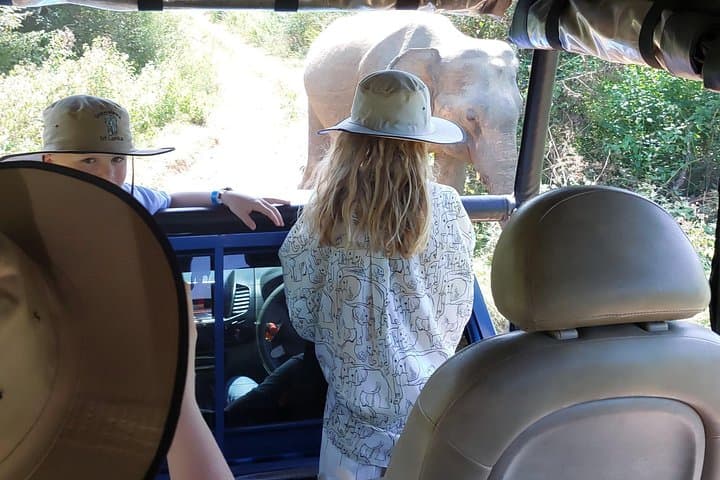
Yes—many operators allow children and provide infant seats, but follow guide rules and keep children seated during drives.
Most tours include park admission; confirm with your operator before departure to avoid surprises.
Dry months (February–September) offer easier tracking on dustier roads and good visibility; monsoon rains can limit access and sightings.
Yala’s boundaries and management have evolved since British colonial game reserves, with cultural ties to local villages and traditional agricultural lands around the park.
Increasing tourism supports local economies but also pressures habitat; follow leave-no-trace guidelines and use reputable operators committed to low-impact viewing.
Manju Tours operates guided outdoor trips and adventures with an emphasis on safety, stewardship, and memorable experiences.
The jeep cuts through dawn mist as the park wakes — dry grass whispering, a distant trumpet announcing an elephant herd. In Yala National Park the landscape feels alive: scrub forest giving way to coastal lagoons, open plains where spotted deer scatter and the water mirrors a flight of kingfishers.
The jeep cuts through dawn mist as the park wakes — dry grass whispering, a distant trumpet announcing an elephant herd. In Yala National Park the landscape feels alive: scrub forest giving way to coastal lagoons, open plains where spotted deer scatter and the water mirrors a flight of kingfishers.
Yala occupies a stretch of Sri Lanka’s southeast coast, shaped by ancient coastal sediments and seasonal monsoons that carve lagoons and pockets of dense thorn forest. The park’s human story runs from prehistoric settlement and local agricultural practices to more recent conservation efforts; villagers around Tissamaharama still cultivate paddy fields visible from the park’s edges, a reminder of how wildlife and farming coexist here.
On a guided safari you’ll focus on large mammals — Asian elephant families, sloth bears, water buffalo and the park’s most famous resident, the elusive leopard — plus peacocks, crocodiles and a rich bird list. Tracks on sandy roads and the sudden hush of the jeep are the real clues; sightings are about being in the right place at the right time.
Practical tips: safaris run 5–8 hours and are best at first light or late afternoon when animals are active. Wear muted colors, bring binoculars, ample water and sun protection, and expect bumpy tracks — motion sickness medication helps. Respect the guides’ distance rules; animals set the pace here. With some patience and a knowledgeable driver, Yala delivers close, cinematic wildlife encounters framed by coastal light and raw, open country.