THE ADVENTURE COLLECTIVE® · Independent discovery and booking for outdoor travel

A full-day safari from Hambantota Port into Yala National Park delivers close wildlife encounters across dry forest, wetlands and beaches. This practical guide explains what to expect, how to prepare, and where the best sightings happen.
A full-day safari from Hambantota Port into Yala National Park delivers close wildlife encounters across dry forest, wetlands and beaches. This practical guide explains what to expect, how to prepare, and where the best sightings happen.
You climb into a sun-warmed jeep as the coast blurs behind you and the scrubby edge of Yala draws near; birds scatter like punctuation and the driver eases onto a track that leads into a land where the wild sets the schedule. Yala National Park occupies roughly 979 sq km of southeastern Sri Lanka — a mosaic of dry thorn forest, grassy plains, lagoons and a narrow fringe of ocean — carved from ancient uplift and coastal sedimentation that shape its salt pans and freshwater pockets.
Verified experiences and guided adventures in the surrounding area.
Operated by Yala Thivein Safari Tours · Hambantota, Southern Province
You climb into a sun-warmed jeep as the coast blurs behind you and the scrubby edge of Yala draws near; birds scatter like punctuation and the driver eases onto a track that leads into a land where the wild sets the schedule. Yala National Park occupies roughly 979 sq km of southeastern Sri Lanka — a mosaic of dry thorn forest, grassy plains, lagoons and a narrow fringe of ocean — carved from ancient uplift and coastal sedimentation that shape its salt pans and freshwater pockets.
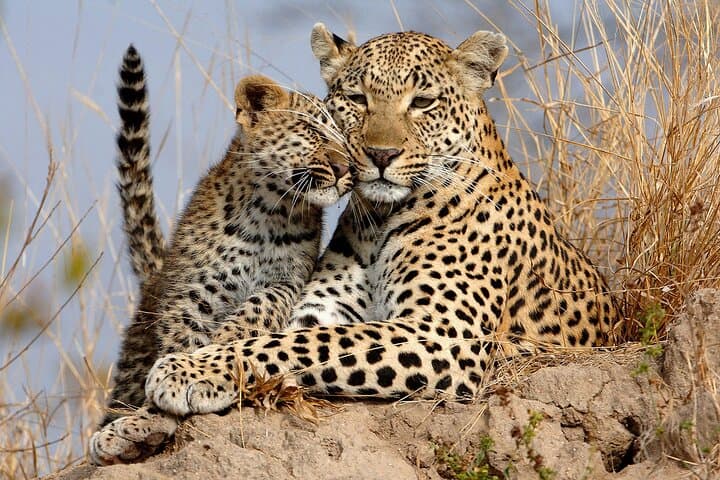
This landscape has long sat at the intersection of nature and culture: prehistoric rock shelters; Buddhist sites such as Sithulpawwa nearby; and local communities with deep ties to the land. Geology gives way to ecology here—rocky outcrops and sandy flats create vantage points for leopards and vantageless marshes where waterbirds congregate. Drivers and naturalist guides read the terrain like a language, translating spoor, calls and seasonal patterns into sightings.
Practical guidance: tours from Hambantota Port run 5–7 hours, typically including pickup and drop-off but not the park entrance fee. Expect dusty tracks, early starts around dawn or late afternoons for best light and animal activity, and open-sided jeeps that amplify both sun and wind. Bring binoculars or use the provided pair, keep cameras ready with long lenses, and follow your guide—leopard encounters hinge on patience and positioning.
Safety and etiquette matter: stay seated while in the park, avoid flash photography near big cats, and carry water and sun protection. With preparation, a Yala safari from Hambantota is a practical, high-reward wildlife day that places you close to one of the planet’s densest leopard populations.
moderate.
5–7 hours.
Minimal fitness required but expect bumpy rides and periods standing in the jeep for photos; be comfortable getting in/out of vehicles.
No — the park entrance fee is not included; bring cash in the local currency and confirm the current rate with your operator.
Yala has one of the highest leopard densities in the world, increasing odds, but sightings are never guaranteed; timing, luck and guide experience matter.
Yes, the tour includes pickup and drop-off from Hambantota Port as advertised, but confirm your ship arrival time when booking.
Yes—infants and small children can join; operators often permit strollers and ask that kids remain seated and supervised throughout the safari.
Yala’s landscape has archaeological and religious sites nearby, including ancient Buddhist monasteries that reflect long-standing human presence on the southeastern plains.
Visitor numbers and responsible jeep behavior affect wildlife disturbance; stick to designated tracks, use licensed guides, and avoid feeding or approaching animals to minimize impact.
Yala Thivein Safari Tours operates guided outdoor trips and adventures with an emphasis on safety, stewardship, and memorable experiences.

You climb into a sun-warmed jeep as the coast blurs behind you and the scrubby edge of Yala draws near; birds scatter like punctuation and the driver eases onto a track that leads into a land where the wild sets the schedule. Yala National Park occupies roughly 979 sq km of southeastern Sri Lanka — a mosaic of dry thorn forest, grassy plains, lagoons and a narrow fringe of ocean — carved from ancient uplift and coastal sedimentation that shape its salt pans and freshwater pockets.
You climb into a sun-warmed jeep as the coast blurs behind you and the scrubby edge of Yala draws near; birds scatter like punctuation and the driver eases onto a track that leads into a land where the wild sets the schedule. Yala National Park occupies roughly 979 sq km of southeastern Sri Lanka — a mosaic of dry thorn forest, grassy plains, lagoons and a narrow fringe of ocean — carved from ancient uplift and coastal sedimentation that shape its salt pans and freshwater pockets.
This landscape has long sat at the intersection of nature and culture: prehistoric rock shelters; Buddhist sites such as Sithulpawwa nearby; and local communities with deep ties to the land. Geology gives way to ecology here—rocky outcrops and sandy flats create vantage points for leopards and vantageless marshes where waterbirds congregate. Drivers and naturalist guides read the terrain like a language, translating spoor, calls and seasonal patterns into sightings.
Practical guidance: tours from Hambantota Port run 5–7 hours, typically including pickup and drop-off but not the park entrance fee. Expect dusty tracks, early starts around dawn or late afternoons for best light and animal activity, and open-sided jeeps that amplify both sun and wind. Bring binoculars or use the provided pair, keep cameras ready with long lenses, and follow your guide—leopard encounters hinge on patience and positioning.
Safety and etiquette matter: stay seated while in the park, avoid flash photography near big cats, and carry water and sun protection. With preparation, a Yala safari from Hambantota is a practical, high-reward wildlife day that places you close to one of the planet’s densest leopard populations.