THE ADVENTURE COLLECTIVE® · Independent discovery and booking for outdoor travel

Head into Yala’s Palatupana block for a 4x4 safari where leopards, elephants and prolific birdlife shape every turn. Expect open plains, tidal lagoons, and expert guides who keep encounters authentic and safe.
Head into Yala’s Palatupana block for a 4x4 safari where leopards, elephants and prolific birdlife shape every turn. Expect open plains, tidal lagoons, and expert guides who keep encounters authentic and safe.
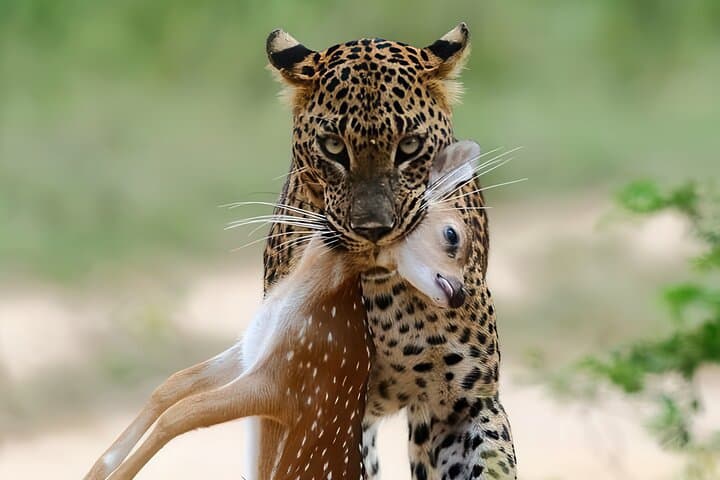
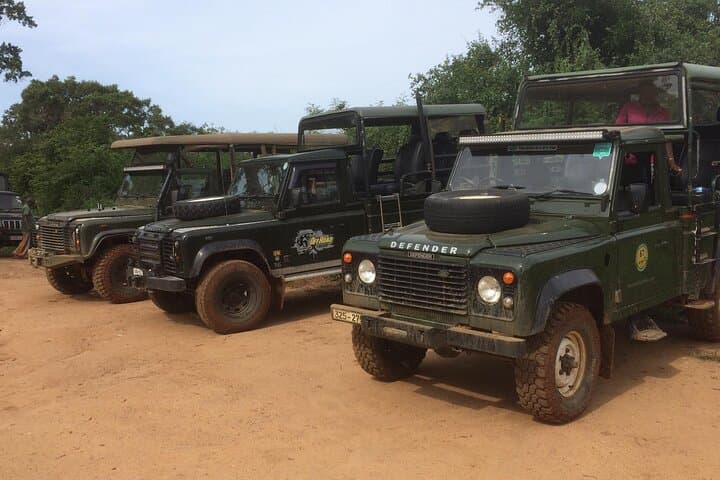
Dust and sunrise paint the scrubland gold as a 4x4 eases off the dirt track at Palatupana. The air smells of salt and sun; a distant lagoon calls with a chorus of wading birds while the jeep’s engine hums like a steady companion. Guides scan the horizon—leopards are famously elusive, but here their population gives the park a rare edge: sightings feel earned, not guaranteed.
Verified experiences and guided adventures in the surrounding area.
Operated by SAMTOURS | Sri Lanka · Hambantota, Southern Province
Dust and sunrise paint the scrubland gold as a 4x4 eases off the dirt track at Palatupana. The air smells of salt and sun; a distant lagoon calls with a chorus of wading birds while the jeep’s engine hums like a steady companion. Guides scan the horizon—leopards are famously elusive, but here their population gives the park a rare edge: sightings feel earned, not guaranteed.
Yala occupies a coastal mosaic of dry thorn forest, grassland, and tidal lagoons carved from ancient marine terraces. Established as a protected area in the early 20th century, the park preserves both wildlife and the seasonal rhythms of southeastern Sri Lanka—fisher communities and rice paddies thread the human story into the landscape.
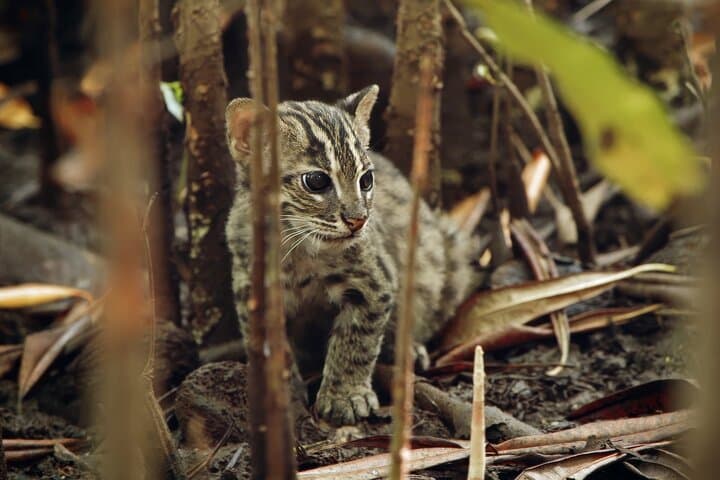
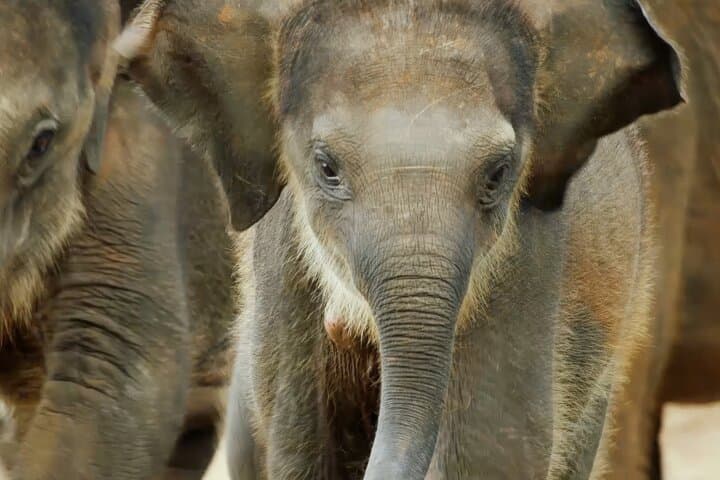
Expect to encounter elephants browsing riverine pockets, sloth bears tracking insect nests, and crocodiles sunning on lagoon banks; birdlife is prolific, from painted storks to raptors that wheel overhead. The Palatupana block, where most jeeps operate, is known for open plains that improve visibility while rock outcrops offer natural blinds for predators.
Practically: tours run about 4–5 hours and depart from Hambantota or nearby lodgings; early mornings and late afternoons are best for light and animal activity. Wear neutral colors, bring binoculars and sun protection, and keep camera gear accessible—the pace alternates between patient scanning and sudden bursts of action. Respect the guide’s instructions: staying on tracks and keeping noise low preserves both safety and the animals’ tolerance for vehicles. With preparation, a Yala safari is a direct, raw encounter with wild Sri Lanka.
moderate.
4–5 hours.
Requires moderate fitness: easy entry/exit from jeeps and periods of sitting with short walks possible at designated stops
Yala has one of the highest leopard densities in the world, improving odds—still, sightings are never guaranteed; patience and timing (early morning/late afternoon) increase chances.
Most safaris leave from Hambantota or nearby lodges; travel time to Palatupana is roughly 1–1.5 hours depending on pickup point and traffic, with the safari itself about 3–4 hours.
Infants are usually permitted—specialized infant seats may be available—check operator policies and note that long drives and heat can be hard on very young children.
Exiting the vehicle is only allowed at designated safe spots and at the guide’s discretion; for safety and conservation, remain in the jeep unless told otherwise.
Yala was declared a wildlife sanctuary in the early 20th century and expanded to protect coastal ecosystems and traditional fishing communities in the southeast of Sri Lanka.
Visitor numbers are managed in blocks to reduce disturbance; follow guides’ rules and avoid littering to support ongoing conservation and local livelihoods.
SAMTOURS | Sri Lanka operates guided outdoor trips and adventures with an emphasis on safety, stewardship, and memorable experiences.
Dust and sunrise paint the scrubland gold as a 4x4 eases off the dirt track at Palatupana. The air smells of salt and sun; a distant lagoon calls with a chorus of wading birds while the jeep’s engine hums like a steady companion. Guides scan the horizon—leopards are famously elusive, but here their population gives the park a rare edge: sightings feel earned, not guaranteed.
Dust and sunrise paint the scrubland gold as a 4x4 eases off the dirt track at Palatupana. The air smells of salt and sun; a distant lagoon calls with a chorus of wading birds while the jeep’s engine hums like a steady companion. Guides scan the horizon—leopards are famously elusive, but here their population gives the park a rare edge: sightings feel earned, not guaranteed.
Yala occupies a coastal mosaic of dry thorn forest, grassland, and tidal lagoons carved from ancient marine terraces. Established as a protected area in the early 20th century, the park preserves both wildlife and the seasonal rhythms of southeastern Sri Lanka—fisher communities and rice paddies thread the human story into the landscape.
Expect to encounter elephants browsing riverine pockets, sloth bears tracking insect nests, and crocodiles sunning on lagoon banks; birdlife is prolific, from painted storks to raptors that wheel overhead. The Palatupana block, where most jeeps operate, is known for open plains that improve visibility while rock outcrops offer natural blinds for predators.
Practically: tours run about 4–5 hours and depart from Hambantota or nearby lodgings; early mornings and late afternoons are best for light and animal activity. Wear neutral colors, bring binoculars and sun protection, and keep camera gear accessible—the pace alternates between patient scanning and sudden bursts of action. Respect the guide’s instructions: staying on tracks and keeping noise low preserves both safety and the animals’ tolerance for vehicles. With preparation, a Yala safari is a direct, raw encounter with wild Sri Lanka.