THE ADVENTURE COLLECTIVE® · Independent discovery and booking for outdoor travel

Explore Yala Blocks 5 & 6 across Lunugamwehera and Weheragala—dry-zone parks where elephants, leopards and hundreds of bird species gather around tanks and scrub forest. This practical guide explains what to expect on a full-day private jeep safari and how to prepare for the best wildlife viewing.
Explore Yala Blocks 5 & 6 across Lunugamwehera and Weheragala—dry-zone parks where elephants, leopards and hundreds of bird species gather around tanks and scrub forest. This practical guide explains what to expect on a full-day private jeep safari and how to prepare for the best wildlife viewing.
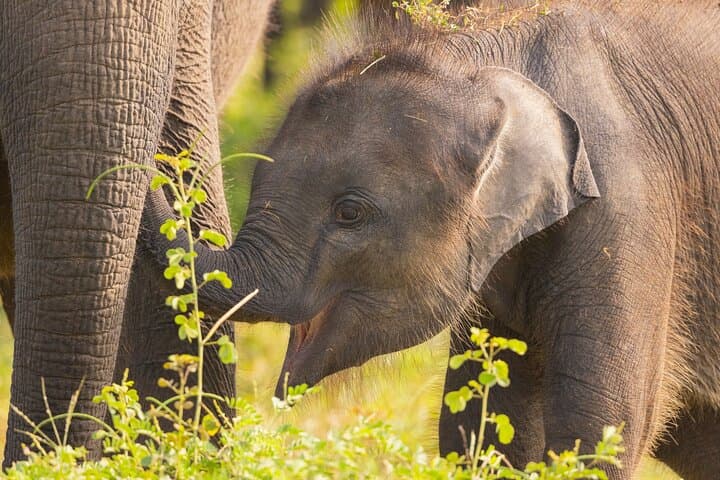
The jeep crunches over dry grass and a wind-stiffened acacia leans like a watchman over the track. Dust lifts and settles as the guide scans the rim of a seasonal tank; somewhere beyond, a herd of elephants moves the horizon like a slow-moving wall.
Verified experiences and guided adventures in the surrounding area.
Operated by Yala Dreams Wild Safari Tours · Lunugamwehera, Southern Province
The jeep crunches over dry grass and a wind-stiffened acacia leans like a watchman over the track. Dust lifts and settles as the guide scans the rim of a seasonal tank; somewhere beyond, a herd of elephants moves the horizon like a slow-moving wall.
Lunugamwehera (Yala Block 6) and Weheragala (Yala Block 5) lie in Sri Lanka’s dry zone—broad plains punctuated by tanks, scrub forest and rocky outcrops. The landscape bears marks of ancient irrigation works: reservoirs and canals that shaped both wildlife patterns and human settlement for centuries. Geologically the area is part of Sri Lanka’s Precambrian bedrock with shallow soils that support thorn forest, grassland, and wetlands where water concentrates wildlife.
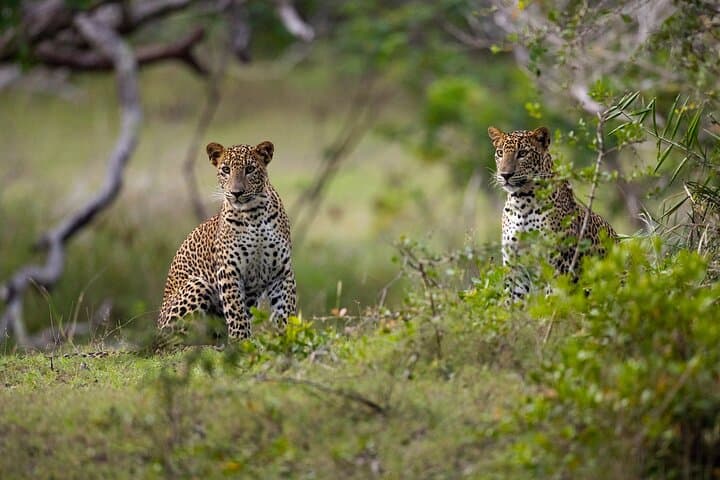
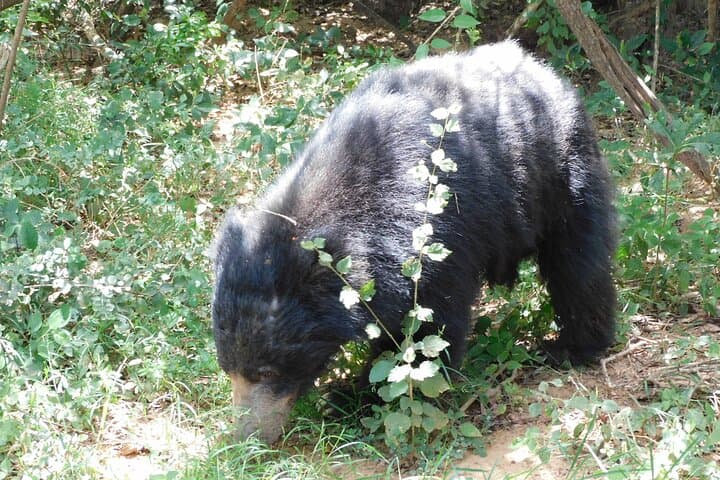
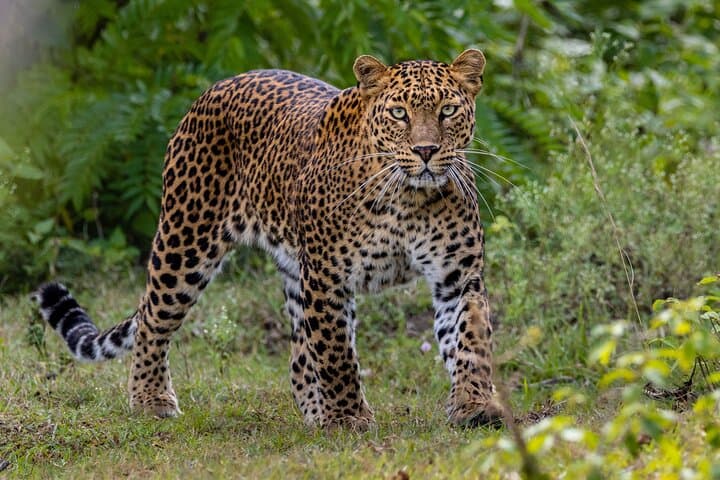
Culturally, the region sits near historic pilgrimage towns like Kataragama and modern villages that live seasonally with the land; guides often combine local knowledge and decades of tracking animals. On a safari here you’ll expect to see elephants, langur and toque macaques, crocodiles at water edges, sloth bears in denser patches, and the region’s famed leopards—elusive, patient, and often heard before seen.
Practical notes: safaris run early morning or late afternoon when animals concentrate at tanks. Tours usually provide private 4x4 jeeps, bottled water, lunch on full-day runs, and binoculars. Wear neutral-colored, breathable clothing, closed-toe shoes, and sun protection; keep windows and voices low around wildlife. Roads can be rough and sightings depend on season and luck, so allow a full day and a steady patience—the animals set the schedule here.
easy.
5–12 hours.
Suitable for most fitness levels; ability to enter/exit a raised safari jeep and tolerate bumpy roads is required
Leopards are present and sightings are possible but not guaranteed; Blocks 5 & 6 are quieter than central Yala and offer patient, often high-quality viewing when conditions concentrate animals at waterholes.
Tours vary from half-day (around 5 hours) to full-day (up to 12 hours); full-day safaris give the best chance for varied sightings and include lunch and bottled water.
Yes—operators provide infant seats and the route is suitable for families, but check operator age policies and consider vehicle comfort on long drives.
Many operators include complimentary binoculars, but bringing your own improves viewing comfort and hygiene.
The area’s tanks and seasonal reservoirs reflect centuries of Sri Lanka’s irrigation history; these water bodies now shape wildlife movement and local livelihoods.
Blocks 5 & 6 are less visited than central Yala, which reduces disturbance, but sustained tourism management and respect for protected areas remain crucial to limit habitat pressure and vehicle impact.
Yala Dreams Wild Safari Tours operates guided outdoor trips and adventures with an emphasis on safety, stewardship, and memorable experiences.
The jeep crunches over dry grass and a wind-stiffened acacia leans like a watchman over the track. Dust lifts and settles as the guide scans the rim of a seasonal tank; somewhere beyond, a herd of elephants moves the horizon like a slow-moving wall.
The jeep crunches over dry grass and a wind-stiffened acacia leans like a watchman over the track. Dust lifts and settles as the guide scans the rim of a seasonal tank; somewhere beyond, a herd of elephants moves the horizon like a slow-moving wall.
Lunugamwehera (Yala Block 6) and Weheragala (Yala Block 5) lie in Sri Lanka’s dry zone—broad plains punctuated by tanks, scrub forest and rocky outcrops. The landscape bears marks of ancient irrigation works: reservoirs and canals that shaped both wildlife patterns and human settlement for centuries. Geologically the area is part of Sri Lanka’s Precambrian bedrock with shallow soils that support thorn forest, grassland, and wetlands where water concentrates wildlife.
Culturally, the region sits near historic pilgrimage towns like Kataragama and modern villages that live seasonally with the land; guides often combine local knowledge and decades of tracking animals. On a safari here you’ll expect to see elephants, langur and toque macaques, crocodiles at water edges, sloth bears in denser patches, and the region’s famed leopards—elusive, patient, and often heard before seen.
Practical notes: safaris run early morning or late afternoon when animals concentrate at tanks. Tours usually provide private 4x4 jeeps, bottled water, lunch on full-day runs, and binoculars. Wear neutral-colored, breathable clothing, closed-toe shoes, and sun protection; keep windows and voices low around wildlife. Roads can be rough and sightings depend on season and luck, so allow a full day and a steady patience—the animals set the schedule here.