THE ADVENTURE COLLECTIVE® · Independent discovery and booking for outdoor travel

Drive into a remote Tajik valley where stone villages, an ancient language, and high ridgelines shape a two-day cultural trek. Expect easy village walks, homestay hospitality, and scenic mountain drives.
Drive into a remote Tajik valley where stone villages, an ancient language, and high ridgelines shape a two-day cultural trek. Expect easy village walks, homestay hospitality, and scenic mountain drives.
A cold high-mountain wind meets the minibus as it drops from the highway into a narrow ribbon of valley. Stone terraces and slate-roofed houses climb the slopes and the Yagnob River runs under low bridges, daring you to step closer and listen. On day one the road widens into views: serrated ridgelines, scree fans, and the pale sweep of alpine meadows beyond.
Verified experiences and guided adventures in the surrounding area.
Operated by Discoverystan · Margheb, Sughd
A cold high-mountain wind meets the minibus as it drops from the highway into a narrow ribbon of valley. Stone terraces and slate-roofed houses climb the slopes and the Yagnob River runs under low bridges, daring you to step closer and listen. On day one the road widens into views: serrated ridgelines, scree fans, and the pale sweep of alpine meadows beyond.
The Yagnob Valley holds a living fragment of Tajikistan’s past. Isolated for centuries, the valley’s people—speakers of the Yagnobi language—maintain household crafts and oral histories that predate many modern borders. Geologically, the valley cuts through the western Pamir-Alai ranges; glaciers and meltwater have carved steep gorges and deposited the rounded boulders that line village fields. Cultural exchange is slow here: expect traditional stone guesthouses, shared meals, and conversations over tea.
Practical guidance: travel is mostly vehicle-based with short village walks—no technical climbing required. Comfortable footwear and layered clothing manage dusty tracks, sun at 2,000–2,500 m, and cool nights in a guesthouse. Bring cash for small purchases; mobile coverage is intermittent. Time your visit for late spring through early fall for better road conditions and active herding seasons.
On arrival, prioritize listening and observing: a stroll through Bidev or Margheb reveals terraced plots, livestock, and household workshops. Respect local customs—ask before photographing people—and leave no trace: fragile alpine soils and limited waste infrastructure mean your litter is visible for seasons. This two-day itinerary pairs straightforward logistics with a deep cultural payoff.
easy.
2 days.
Suitable for travelers in general good health who can walk short distances on uneven terrain
Foreign visitors generally do not need a special permit beyond normal entry to Tajikistan, but check current travel advisories and local regulations as arrangements can change.
Accommodations are basic guesthouses in Margeb/Margheb with simple beds, shared facilities, and home-cooked meals—expect rustic comfort rather than hotel amenities.
Yes — the itinerary involves vehicle transfers and short walks; travelers with mobility concerns should note uneven terrain and limited medical facilities.
Yagnobi and Tajik are common; guides often speak Russian and Tajik, and some operators provide English-speaking guides on request.
The Yagnob Valley’s isolation preserved the Yagnobi language and customs; communities here trace cultural threads to pre-Islamic Sogdian traditions.
Fragile alpine soils and limited waste infrastructure mean visitors should pack out garbage and avoid creating new campsites; stay on existing paths to protect terraced fields.
Discoverystan operates guided outdoor trips and adventures with an emphasis on safety, stewardship, and memorable experiences.
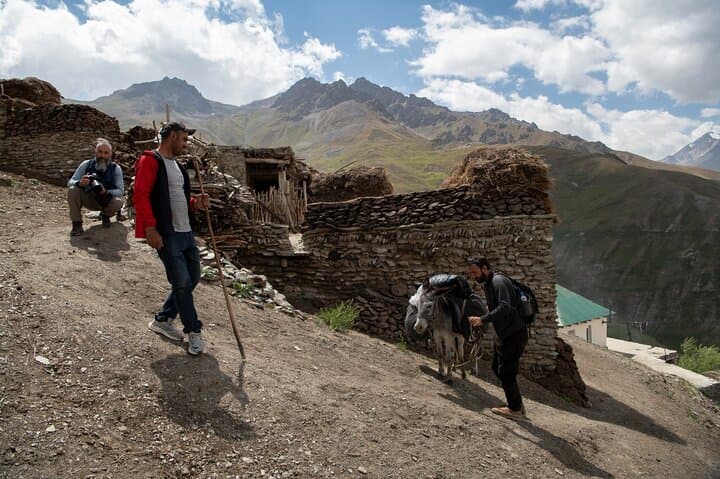
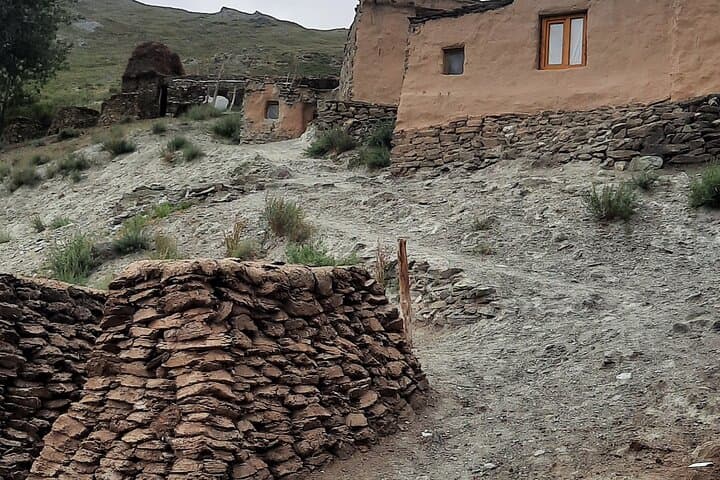
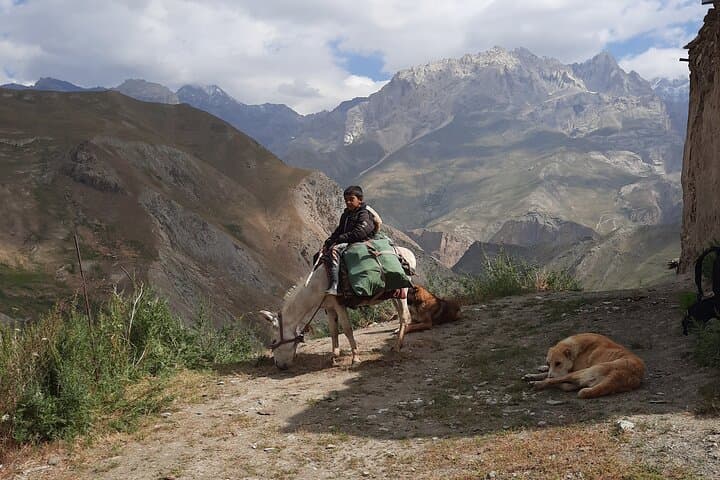
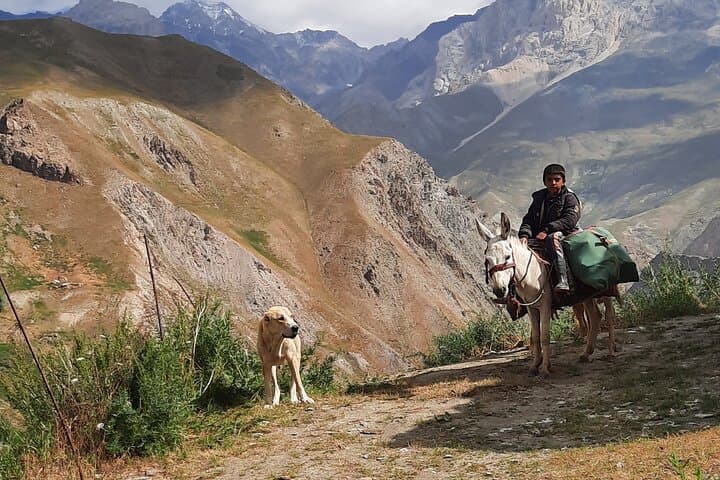
A cold high-mountain wind meets the minibus as it drops from the highway into a narrow ribbon of valley. Stone terraces and slate-roofed houses climb the slopes and the Yagnob River runs under low bridges, daring you to step closer and listen. On day one the road widens into views: serrated ridgelines, scree fans, and the pale sweep of alpine meadows beyond.
A cold high-mountain wind meets the minibus as it drops from the highway into a narrow ribbon of valley. Stone terraces and slate-roofed houses climb the slopes and the Yagnob River runs under low bridges, daring you to step closer and listen. On day one the road widens into views: serrated ridgelines, scree fans, and the pale sweep of alpine meadows beyond.
The Yagnob Valley holds a living fragment of Tajikistan’s past. Isolated for centuries, the valley’s people—speakers of the Yagnobi language—maintain household crafts and oral histories that predate many modern borders. Geologically, the valley cuts through the western Pamir-Alai ranges; glaciers and meltwater have carved steep gorges and deposited the rounded boulders that line village fields. Cultural exchange is slow here: expect traditional stone guesthouses, shared meals, and conversations over tea.
Practical guidance: travel is mostly vehicle-based with short village walks—no technical climbing required. Comfortable footwear and layered clothing manage dusty tracks, sun at 2,000–2,500 m, and cool nights in a guesthouse. Bring cash for small purchases; mobile coverage is intermittent. Time your visit for late spring through early fall for better road conditions and active herding seasons.
On arrival, prioritize listening and observing: a stroll through Bidev or Margheb reveals terraced plots, livestock, and household workshops. Respect local customs—ask before photographing people—and leave no trace: fragile alpine soils and limited waste infrastructure mean your litter is visible for seasons. This two-day itinerary pairs straightforward logistics with a deep cultural payoff.