THE ADVENTURE COLLECTIVE® · Independent discovery and booking for outdoor travel

A full-day yacht trip to Delft Island puts you face to face with miniature wild horses, coral walls, and a Dutch lighthouse. This guide explains what to expect, local context, and how to prepare for a smooth island visit.
A full-day yacht trip to Delft Island puts you face to face with miniature wild horses, coral walls, and a Dutch lighthouse. This guide explains what to expect, local context, and how to prepare for a smooth island visit.
You step off the yacht onto flat, pale sand that throws heat back at you and immediately spot a low-slung horse grazing like it owns the coastline — because here it does. The sea breathes against the hull and the island’s coral cliffs hunch up from shallow water, their layered faces scored by tides and time.
Verified experiences and guided adventures in the surrounding area.
You step off the yacht onto flat, pale sand that throws heat back at you and immediately spot a low-slung horse grazing like it owns the coastline — because here it does. The sea breathes against the hull and the island’s coral cliffs hunch up from shallow water, their layered faces scored by tides and time.
Delft Island (Neduntheevu) carries visible marks of colonial geography and older seas: a Dutch-era lighthouse and pigeon house sit beside windswept Baobab trees that sailors left behind. The island’s geology is predominantly fossilized coral and limestone, creating low walls and jagged tidal shelves that reveal bright marine life at low tide. Culturally, the island is a quiet Tamil community with ties to seafaring and agriculture; local hand-built stone fences and modest chapels punctuate the plains.
Expect an 8‑hour outing: boat approaches, shore landings, short guided walks to see the tiny wild horses, the coral walls, the lighthouse and pigeon house. Wildlife is bold but not shy; birds ride thermals and the horses move with island casualness. Practical notes: tides and wind dictate schedules, so mornings or late afternoons are best for calm seas and softer light.
Bring reef‑safe sunscreen, a hat, sturdy closed shoes for coral and heat, and plenty of water. Respect local property and gait: the horses are semi‑feral and the reefs fragile, so no feeding animals and avoid trampling coral. With basic planning, this yacht day trip is a compact, vivid island encounter — short distances, big impressions.
easy.
8 hours.
Light activity; able to handle short walks on uneven, rocky coral and sandy terrain.
Crossing time varies with sea conditions and the boat used but typically takes 60–90 minutes each way from Jaffna Peninsula.
Facilities are basic: expect simple, local toilets in village areas; plan accordingly before landing.
Yes—short guided or self‑guided walks are common, but respect private property and municipal rules, and avoid disturbing animals and coral.
Generally yes for those comfortable with a boat ride and short walks; notify operators of mobility concerns so they can advise on shore access.
Delft was named by Dutch colonists and retains colonial relics like a lighthouse and pigeon house; Baobab trees reflect historic sea‑borne exchanges.
The island’s coral and dry‑zone ecology are fragile; visitors should avoid trampling reefs, carry out waste, and use reef‑safe products to reduce impact.
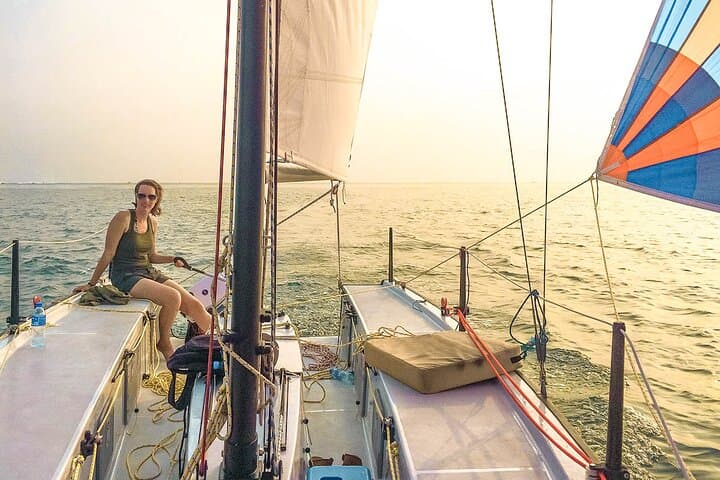
You step off the yacht onto flat, pale sand that throws heat back at you and immediately spot a low-slung horse grazing like it owns the coastline — because here it does. The sea breathes against the hull and the island’s coral cliffs hunch up from shallow water, their layered faces scored by tides and time.
You step off the yacht onto flat, pale sand that throws heat back at you and immediately spot a low-slung horse grazing like it owns the coastline — because here it does. The sea breathes against the hull and the island’s coral cliffs hunch up from shallow water, their layered faces scored by tides and time.
Delft Island (Neduntheevu) carries visible marks of colonial geography and older seas: a Dutch-era lighthouse and pigeon house sit beside windswept Baobab trees that sailors left behind. The island’s geology is predominantly fossilized coral and limestone, creating low walls and jagged tidal shelves that reveal bright marine life at low tide. Culturally, the island is a quiet Tamil community with ties to seafaring and agriculture; local hand-built stone fences and modest chapels punctuate the plains.
Expect an 8‑hour outing: boat approaches, shore landings, short guided walks to see the tiny wild horses, the coral walls, the lighthouse and pigeon house. Wildlife is bold but not shy; birds ride thermals and the horses move with island casualness. Practical notes: tides and wind dictate schedules, so mornings or late afternoons are best for calm seas and softer light.
Bring reef‑safe sunscreen, a hat, sturdy closed shoes for coral and heat, and plenty of water. Respect local property and gait: the horses are semi‑feral and the reefs fragile, so no feeding animals and avoid trampling coral. With basic planning, this yacht day trip is a compact, vivid island encounter — short distances, big impressions.