THE ADVENTURE COLLECTIVE® · Independent discovery and booking for outdoor travel

Try Yabusame — mounted archery — on the sacred grounds beneath Mt. Fuji. This two-hour, beginner-friendly session mixes shrine ceremony, Kiso horses, and hands-on instruction for a memorable cultural-adventure near Fujiyoshida.
Try Yabusame — mounted archery — on the sacred grounds beneath Mt. Fuji. This two-hour, beginner-friendly session mixes shrine ceremony, Kiso horses, and hands-on instruction for a memorable cultural-adventure near Fujiyoshida.
A cold breeze carries the smell of pines as riders strap on traditional silk and step onto a shrine-lined practice ground with Mt. Fuji rising like a calm judge behind them. The horses, compact Kiso breeds, shift their weight beneath riders as instructors guide novices through the rhythm of sitting, steering and the short, focused burst of speed needed for a Yabusame run.
Verified experiences and guided adventures in the surrounding area.
Operated by BARIKIYA · Fujiyoshida, Yamanashi
A cold breeze carries the smell of pines as riders strap on traditional silk and step onto a shrine-lined practice ground with Mt. Fuji rising like a calm judge behind them. The horses, compact Kiso breeds, shift their weight beneath riders as instructors guide novices through the rhythm of sitting, steering and the short, focused burst of speed needed for a Yabusame run.
Yabusame is an ancient samurai discipline that became formalized during the Kamakura and Muromachi periods; today it survives as living heritage performed at Shinto shrines around the country. The volcanic slopes of Fuji shape the land here — lava flows and older pyroclastic soils give way to cedar plantations and terraced fields, and the shrine grounds retain a quiet gravity that focuses the ritual of arrow and mount.
Culturally the experience blends formal etiquette — shrine visits and robes — with practical riding drills. Expect short, guided runs rather than long trail rides; the emphasis is technique and ceremony rather than distance. Local operators work with retired native horses to combine animal welfare and cultural preservation.
Practical guidance: arrive with flat, closed-toe shoes and pants; plan for wind and sun exposure; allow roughly two hours for dressing, instruction, practice and a final run. Weight limits apply (about 85–90 kg) because Kiso horses are smaller than Western breeds. The session is beginner-friendly, wheelchair- and stroller-accessible for non-riding guests, and works year-round — mornings often yield the clearest Fuji views. Respect shrine etiquette, follow instructor cues, and you'll leave with a tactile connection to Japan’s mounted traditions.
easy.
2 hours.
Suitable for most people with basic mobility; ability to mount and follow simple directions required.
No — the program is designed for beginners with step-by-step instruction in both riding basics and how to shoot safely from horseback.
For safety with Kiso horses, participants are generally asked to be within 85–90 kg; check with the operator when booking.
Traditional clothing and equipment rental, instruction, and the Yabusame run on shrine grounds are included; carriage or non-riding interactions may be offered separately.
Yes — the operator notes wheelchair and stroller accessibility for viewing areas, and offers carriage rides or ground-based interactions for those who do not ride.
Yabusame traces to samurai training techniques from the Kamakura era and was traditionally performed as both martial practice and shrine offering.
Operators often repurpose retired native horses for tourism work, prioritizing animal welfare; visitors are encouraged to follow low-impact practices and respect shrine grounds.
BARIKIYA operates guided outdoor trips and adventures with an emphasis on safety, stewardship, and memorable experiences.
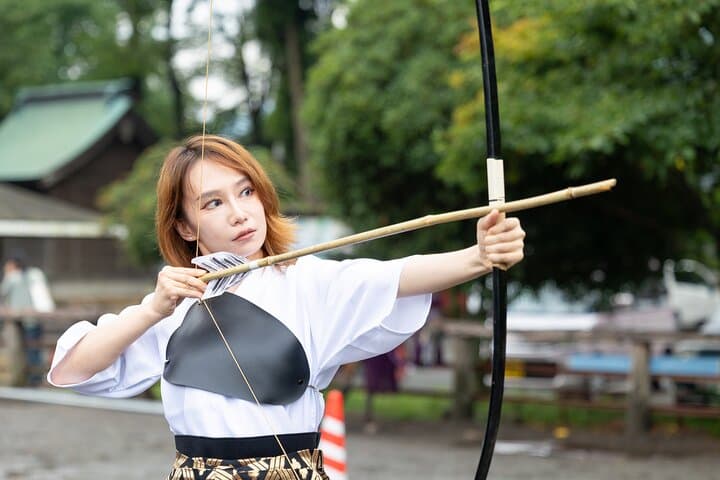
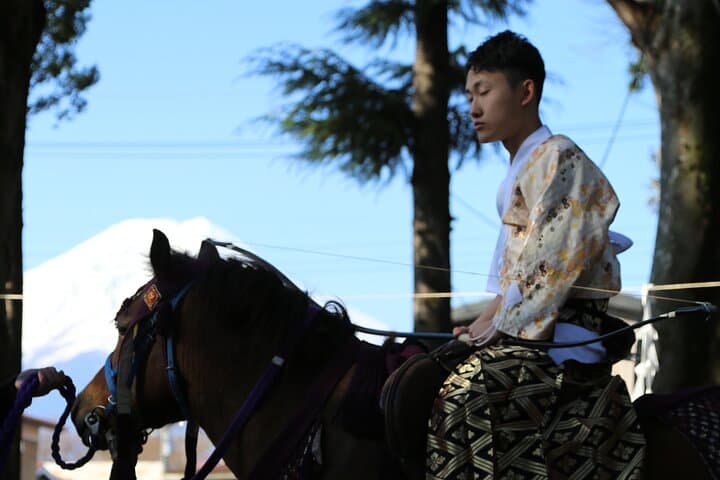
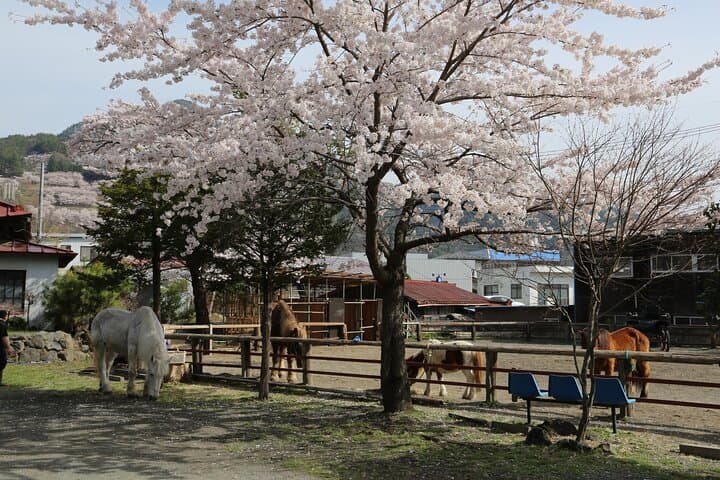
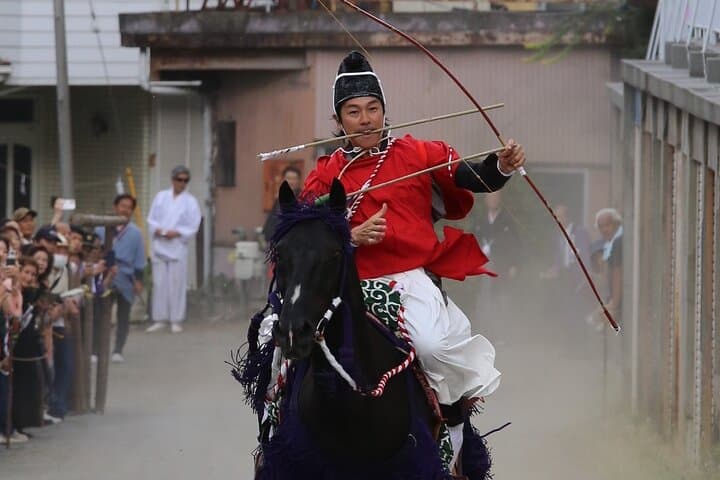
A cold breeze carries the smell of pines as riders strap on traditional silk and step onto a shrine-lined practice ground with Mt. Fuji rising like a calm judge behind them. The horses, compact Kiso breeds, shift their weight beneath riders as instructors guide novices through the rhythm of sitting, steering and the short, focused burst of speed needed for a Yabusame run.
A cold breeze carries the smell of pines as riders strap on traditional silk and step onto a shrine-lined practice ground with Mt. Fuji rising like a calm judge behind them. The horses, compact Kiso breeds, shift their weight beneath riders as instructors guide novices through the rhythm of sitting, steering and the short, focused burst of speed needed for a Yabusame run.
Yabusame is an ancient samurai discipline that became formalized during the Kamakura and Muromachi periods; today it survives as living heritage performed at Shinto shrines around the country. The volcanic slopes of Fuji shape the land here — lava flows and older pyroclastic soils give way to cedar plantations and terraced fields, and the shrine grounds retain a quiet gravity that focuses the ritual of arrow and mount.
Culturally the experience blends formal etiquette — shrine visits and robes — with practical riding drills. Expect short, guided runs rather than long trail rides; the emphasis is technique and ceremony rather than distance. Local operators work with retired native horses to combine animal welfare and cultural preservation.
Practical guidance: arrive with flat, closed-toe shoes and pants; plan for wind and sun exposure; allow roughly two hours for dressing, instruction, practice and a final run. Weight limits apply (about 85–90 kg) because Kiso horses are smaller than Western breeds. The session is beginner-friendly, wheelchair- and stroller-accessible for non-riding guests, and works year-round — mornings often yield the clearest Fuji views. Respect shrine etiquette, follow instructor cues, and you'll leave with a tactile connection to Japan’s mounted traditions.