THE ADVENTURE COLLECTIVE® · Independent discovery and booking for outdoor travel

Combine a short boat ride from Caye Caulker with a scenic drive and a hand-cranked ferry crossing to reach Xunantunich. Climb El Castillo for panoramic jungle views and learn the Mayan history that shaped this limestone plateau.
Combine a short boat ride from Caye Caulker with a scenic drive and a hand-cranked ferry crossing to reach Xunantunich. Climb El Castillo for panoramic jungle views and learn the Mayan history that shaped this limestone plateau.
You step off a small ferry into the lowland heat and a hand-cranked crossing clicks behind you — the Mopan River seems to push you forward, impatient to reveal stone and canopy.
Verified experiences and guided adventures in the surrounding area.
Operated by Private Belize Adventure · San Ignacio, Cayo District
You step off a small ferry into the lowland heat and a hand-cranked crossing clicks behind you — the Mopan River seems to push you forward, impatient to reveal stone and canopy.
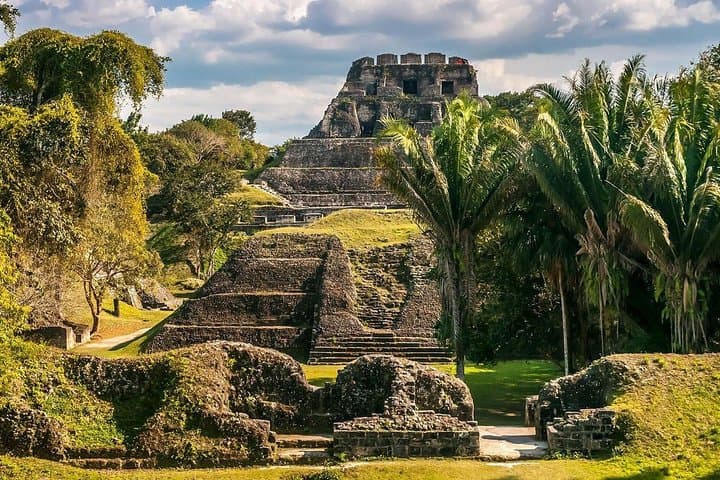
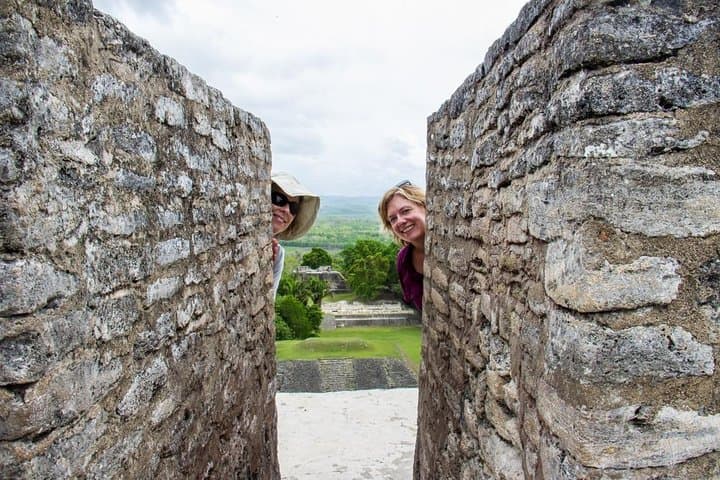
The route to Xunantunich crosses Belize’s patchwork countryside: coconut palms, banana plots, and the occasional roadside stall selling fry jacks. At the site, the plaza opens like a stage and El Castillo climbs above the treeline; its summit rewards the short scramble with a sweep of jungle that reaches toward the Guatemalan highlands.
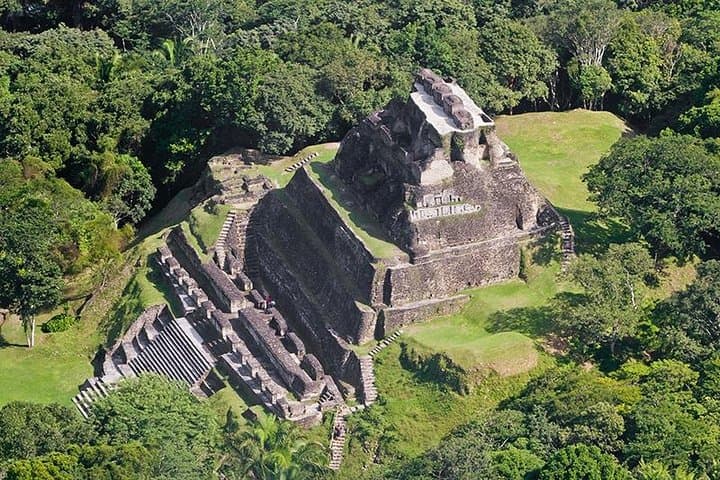
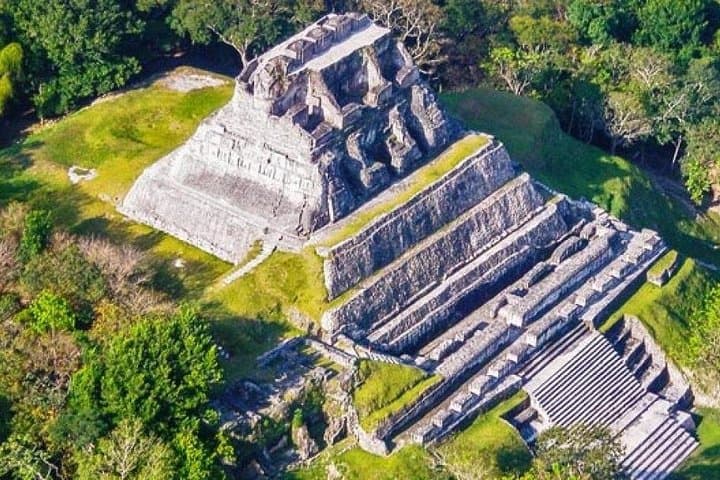
Xunantunich grew from the Late to Terminal Classic period and served as a ceremonial and administrative center. The limestone bedrock here shaped both architecture and water flow; you’ll notice plastered stucco facades and plazas sited above seasonal sinkholes. Local Maya communities around San Ignacio maintain cultural ties to the site, and guides often weave oral history into the visit.
Practically, the tour is a half-day adventure that blends boat travel, a countryside transfer, and a modest amount of walking and stair climbing. Expect uneven stone underfoot and intermittent shade. Carry water, wear closed-toe shoes with traction, and allot time for the hand-cranked ferry: it’s more than a crossing, it’s part of the experience.
Plan morning departures to avoid midday heat and to catch sharper light for photography. Respect cordoned areas — many walls are fragile — and leave no trace: the ruins retain their power only when visitors tread lightly.
moderate.
5 hours.
Light to moderate fitness; able to walk uneven ground and climb stairs (short but steep).
The tour runs about 5 hours door-to-door, including boat transfer to Belize City and a guided visit to Xunantunich.
Yes—staff operate the ferry and it’s a short supervised crossing, but hold small children and remain on designated areas.
Visitors are typically allowed to climb El Castillo while following safety ropes; check for temporary closures from conservation work.
Basic restroom facilities and snack vendors are available near the site; many tours include lunch as noted in the itinerary.
Xunantunich flourished in the Late to Terminal Classic period (roughly AD 600–900) as a ceremonial center linked to regional trade and politics.
Ongoing preservation focuses on stabilizing stucco and controlling visitor impact; stay on trails and avoid touching fragile surfaces to help protect the site.
Private Belize Adventure operates guided outdoor trips and adventures with an emphasis on safety, stewardship, and memorable experiences.
You step off a small ferry into the lowland heat and a hand-cranked crossing clicks behind you — the Mopan River seems to push you forward, impatient to reveal stone and canopy.
You step off a small ferry into the lowland heat and a hand-cranked crossing clicks behind you — the Mopan River seems to push you forward, impatient to reveal stone and canopy.
The route to Xunantunich crosses Belize’s patchwork countryside: coconut palms, banana plots, and the occasional roadside stall selling fry jacks. At the site, the plaza opens like a stage and El Castillo climbs above the treeline; its summit rewards the short scramble with a sweep of jungle that reaches toward the Guatemalan highlands.
Xunantunich grew from the Late to Terminal Classic period and served as a ceremonial and administrative center. The limestone bedrock here shaped both architecture and water flow; you’ll notice plastered stucco facades and plazas sited above seasonal sinkholes. Local Maya communities around San Ignacio maintain cultural ties to the site, and guides often weave oral history into the visit.
Practically, the tour is a half-day adventure that blends boat travel, a countryside transfer, and a modest amount of walking and stair climbing. Expect uneven stone underfoot and intermittent shade. Carry water, wear closed-toe shoes with traction, and allot time for the hand-cranked ferry: it’s more than a crossing, it’s part of the experience.
Plan morning departures to avoid midday heat and to catch sharper light for photography. Respect cordoned areas — many walls are fragile — and leave no trace: the ruins retain their power only when visitors tread lightly.