THE ADVENTURE COLLECTIVE® · Independent discovery and booking for outdoor travel

Climb the broad steps of El Castillo at Xunantunich, then learn to roast and grind cacao in a hands-on Mayan chocolate workshop. This full-day tour pairs archaeology with living culinary tradition for a grounded, sensory dive into Belizean history.
Climb the broad steps of El Castillo at Xunantunich, then learn to roast and grind cacao in a hands-on Mayan chocolate workshop. This full-day tour pairs archaeology with living culinary tradition for a grounded, sensory dive into Belizean history.
You step off a slow, hand-operated ferry with the Mopan River seeming to push you toward the ruins, humid air carrying the scent of wet earth and green fruit. A short walk through secondary forest opens onto the plaza where El Castillo rises—its worn limestone steps lead up through shade to a rooftop view that scans jungle ridges and distant waterways.
Verified experiences and guided adventures in the surrounding area.
Operated by Private Belize Adventure · San Ignacio, Cayo District
You step off a slow, hand-operated ferry with the Mopan River seeming to push you toward the ruins, humid air carrying the scent of wet earth and green fruit. A short walk through secondary forest opens onto the plaza where El Castillo rises—its worn limestone steps lead up through shade to a rooftop view that scans jungle ridges and distant waterways.
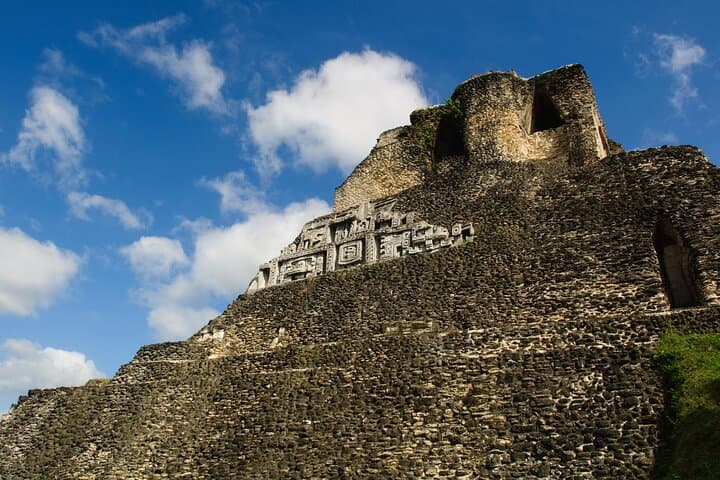
Xunantunich, occupied mainly between 200–900 CE, was a regional center controlling river trade and political ties along the western Belize corridor. The core site sits on a limestone ridge; the surrounding karst topography produces sinkholes and caves that shaped Maya settlement and water management. Local guides share stories and legends—voices that connect stone carvings to social life centuries ago.
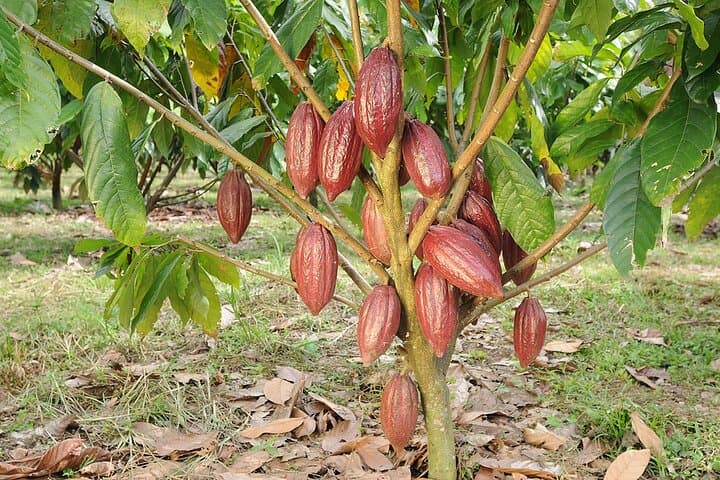
After the climb, the tour shifts from archaeology to sensory history: a hands-on chocolate workshop. You handle roasted cacao, grind nibs on a metate, and taste the bitter, spiced drink the Maya prized. The pairing of place and palate makes the cultural thread tangible: agriculture, ritual, and daily life intertwined.
Practical notes: expect uneven limestone steps, sticky humidity, and mosquitoes in shade. The tour runs as a full day (about 8 hours) with transportation and entrance included; carry water, sun protection, and small bills for tips or souvenirs. Wear sturdy closed-toe shoes for climbing and hiking around the core area. Early starts avoid midday heat and improve light for photos. The experience is equal parts archaeology and living tradition—history under your feet and chocolate in your hands.
easy.
8 hours.
Suitable for light to moderate mobility; you should be able to climb stairs and walk uneven ground for short periods.
This is a full-day experience, typically about 8 hours including transport, site visit, and the chocolate workshop.
Yes — the tour summary lists transportation and entrance fees as included.
The ascent involves steep, uneven limestone steps but is short; those with basic mobility can complete it, though take your time.
Yes — the workshop is hands-on: guests roast or smell cacao, grind nibs, and prepare a traditional chocolate drink.
Xunantunich was a Classic Maya center (c. 200–900 CE) that controlled trade routes along the Mopan River; many monuments record alliances and rulership.
The site sits within a protected forest preserve—stay on marked paths, avoid touching fragile carvings, and support guides who work with local conservation efforts.
Private Belize Adventure operates guided outdoor trips and adventures with an emphasis on safety, stewardship, and memorable experiences.
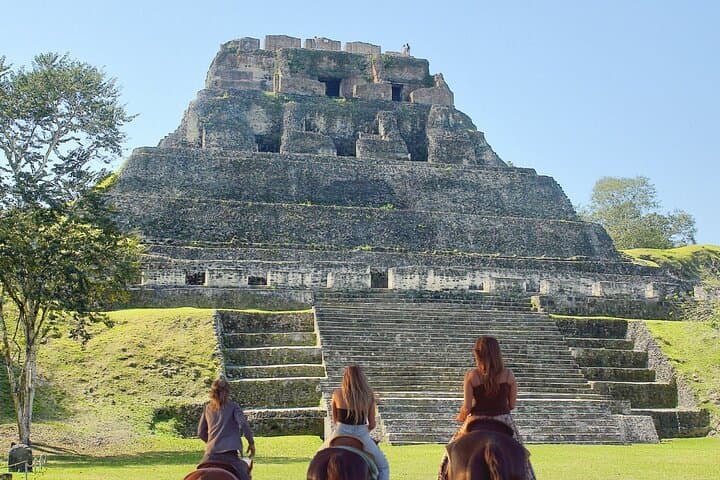
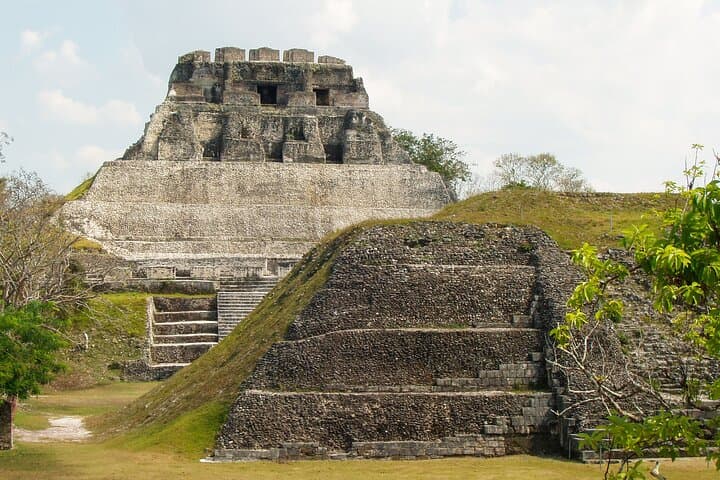
You step off a slow, hand-operated ferry with the Mopan River seeming to push you toward the ruins, humid air carrying the scent of wet earth and green fruit. A short walk through secondary forest opens onto the plaza where El Castillo rises—its worn limestone steps lead up through shade to a rooftop view that scans jungle ridges and distant waterways.
You step off a slow, hand-operated ferry with the Mopan River seeming to push you toward the ruins, humid air carrying the scent of wet earth and green fruit. A short walk through secondary forest opens onto the plaza where El Castillo rises—its worn limestone steps lead up through shade to a rooftop view that scans jungle ridges and distant waterways.
Xunantunich, occupied mainly between 200–900 CE, was a regional center controlling river trade and political ties along the western Belize corridor. The core site sits on a limestone ridge; the surrounding karst topography produces sinkholes and caves that shaped Maya settlement and water management. Local guides share stories and legends—voices that connect stone carvings to social life centuries ago.
After the climb, the tour shifts from archaeology to sensory history: a hands-on chocolate workshop. You handle roasted cacao, grind nibs on a metate, and taste the bitter, spiced drink the Maya prized. The pairing of place and palate makes the cultural thread tangible: agriculture, ritual, and daily life intertwined.
Practical notes: expect uneven limestone steps, sticky humidity, and mosquitoes in shade. The tour runs as a full day (about 8 hours) with transportation and entrance included; carry water, sun protection, and small bills for tips or souvenirs. Wear sturdy closed-toe shoes for climbing and hiking around the core area. Early starts avoid midday heat and improve light for photos. The experience is equal parts archaeology and living tradition—history under your feet and chocolate in your hands.