THE ADVENTURE COLLECTIVE® · Independent discovery and booking for outdoor travel

Cross a hand-cranked ferry, walk ancient plazas and climb El Castillo for panoramic views over the Mopan River valley. This 3–4 hour guided visit combines archaeology, local oral history and accessible on-site exploration.
Cross a hand-cranked ferry, walk ancient plazas and climb El Castillo for panoramic views over the Mopan River valley. This 3–4 hour guided visit combines archaeology, local oral history and accessible on-site exploration.
A low wooden ferry hums against the current as you push off from San Jose Succotz and the Mopan River narrows into a silver line below El Castillo. The hand-cranked crossing is as much a cultural entry as the dirt track that leads to the broad plaza of Xunantunich, where sun-bleached stucco and stacked limestone step into the air.
Verified experiences and guided adventures in the surrounding area.
Operated by Belize Caving Expeditions · San Jose Succotz, Cayo District
A low wooden ferry hums against the current as you push off from San Jose Succotz and the Mopan River narrows into a silver line below El Castillo. The hand-cranked crossing is as much a cultural entry as the dirt track that leads to the broad plaza of Xunantunich, where sun-bleached stucco and stacked limestone step into the air.
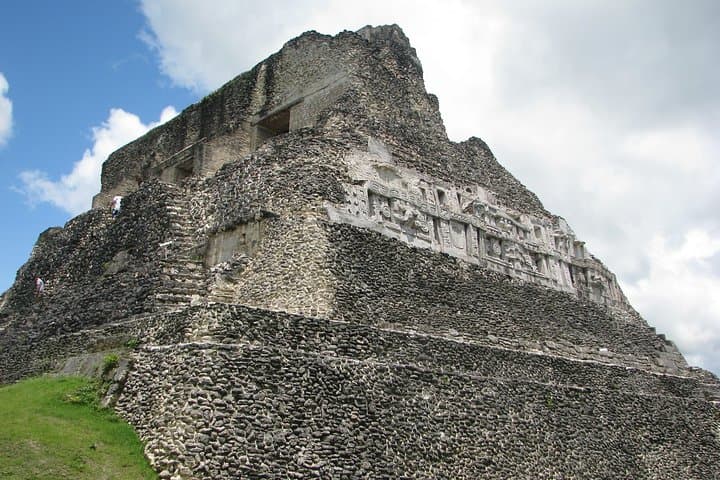
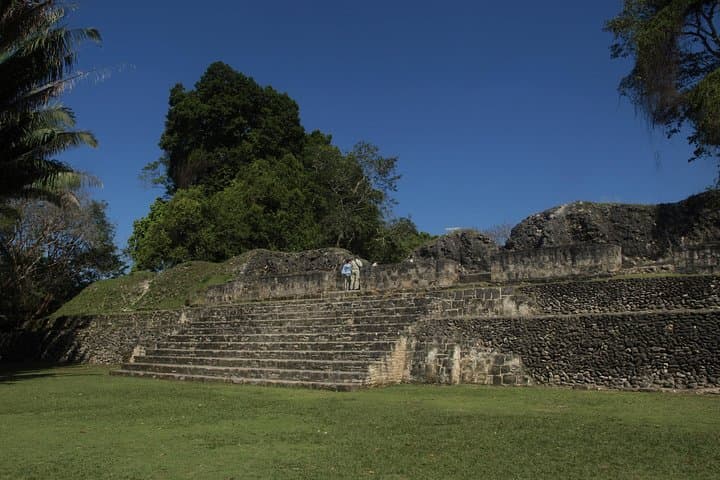
This late-Classic Maya ceremonial center (c. 600–900 AD) contains six major plazas ringed by more than 25 temples and palaces. El Castillo—the site's highest structure—rises about 130 feet above the main plaza and once wore a continuous band of stucco frieze. The architecture reflects local limestone karst geology and long-distance cultural ties across the Belize–Guatemala border, including influence from the El Naranjo polity.
Local guides pass down stories and glyph interpretations handed through generations; their commentary connects stone detail to daily life, ritual, and regional trade. Birdsong and the occasional howler monkey punctuate the walk while the plateau views sweep across the Mopan valley.
Practical guidance: tours run about 3–4 hours including transport; expect uneven, stepped limestone surfaces and several flights up El Castillo. Wear sturdy closed shoes, bring sun protection and a refillable water bottle (guides provide bottled water or refill options). Small-group formats make for unhurried stops at plazas, friezes and stelae—ask your guide about conservation efforts and respectful photographing of fragile stucco. If you have cardiovascular issues, note that steep stairs are involved and the operator flags this as a precaution.
moderate.
3–4 hours.
Suitable for most travelers who can handle moderate walking and climbing multiple flights of uneven stone steps; not ideal for those with serious mobility or heart issues.
A typical guided walk through the main plazas and El Castillo lasts about 1.5–2 hours; the full round-trip excursion, including transport and ferry, is roughly 3–4 hours.
Yes — the short ferry crossing is commonly used by locals and tour groups; infant seats and stroller access are noted by the operator, but expect some uneven surfaces on approach.
Yes, visitors can climb El Castillo, but be prepared for steep, irregular stone steps and follow your guide’s instructions for safe ascent and descent.
Basic visitor facilities are available near the site; tours often include snacks and bottled water, but bringing your own refillable bottle and light snacks is recommended.
Xunantunich was a major ceremonial center in the Late Classic period (c. 600–900 AD) and shows architectural and political connections across the Belize–Guatemala frontier, including interaction with El Naranjo.
Visitor impact is managed through guided routes and restricted access to fragile stucco; local programs emphasize education and reducing plastic waste, so bring a refillable bottle and respect signage.
Belize Caving Expeditions operates guided outdoor trips and adventures with an emphasis on safety, stewardship, and memorable experiences.


A low wooden ferry hums against the current as you push off from San Jose Succotz and the Mopan River narrows into a silver line below El Castillo. The hand-cranked crossing is as much a cultural entry as the dirt track that leads to the broad plaza of Xunantunich, where sun-bleached stucco and stacked limestone step into the air.
A low wooden ferry hums against the current as you push off from San Jose Succotz and the Mopan River narrows into a silver line below El Castillo. The hand-cranked crossing is as much a cultural entry as the dirt track that leads to the broad plaza of Xunantunich, where sun-bleached stucco and stacked limestone step into the air.
This late-Classic Maya ceremonial center (c. 600–900 AD) contains six major plazas ringed by more than 25 temples and palaces. El Castillo—the site's highest structure—rises about 130 feet above the main plaza and once wore a continuous band of stucco frieze. The architecture reflects local limestone karst geology and long-distance cultural ties across the Belize–Guatemala border, including influence from the El Naranjo polity.
Local guides pass down stories and glyph interpretations handed through generations; their commentary connects stone detail to daily life, ritual, and regional trade. Birdsong and the occasional howler monkey punctuate the walk while the plateau views sweep across the Mopan valley.
Practical guidance: tours run about 3–4 hours including transport; expect uneven, stepped limestone surfaces and several flights up El Castillo. Wear sturdy closed shoes, bring sun protection and a refillable water bottle (guides provide bottled water or refill options). Small-group formats make for unhurried stops at plazas, friezes and stelae—ask your guide about conservation efforts and respectful photographing of fragile stucco. If you have cardiovascular issues, note that steep stairs are involved and the operator flags this as a precaution.