THE ADVENTURE COLLECTIVE® · Independent discovery and booking for outdoor travel

Float the historic canals of Xochimilco aboard a colorful trajinera with a certified local guide. This 2–3 hour tour includes a visit to a working chinampa, cultural insights, and round-trip transport from Mexico City.
Float the historic canals of Xochimilco aboard a colorful trajinera with a certified local guide. This 2–3 hour tour includes a visit to a working chinampa, cultural insights, and round-trip transport from Mexico City.
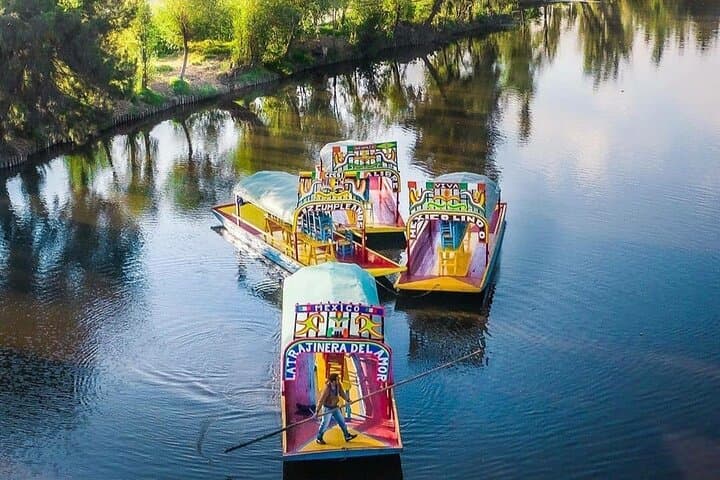
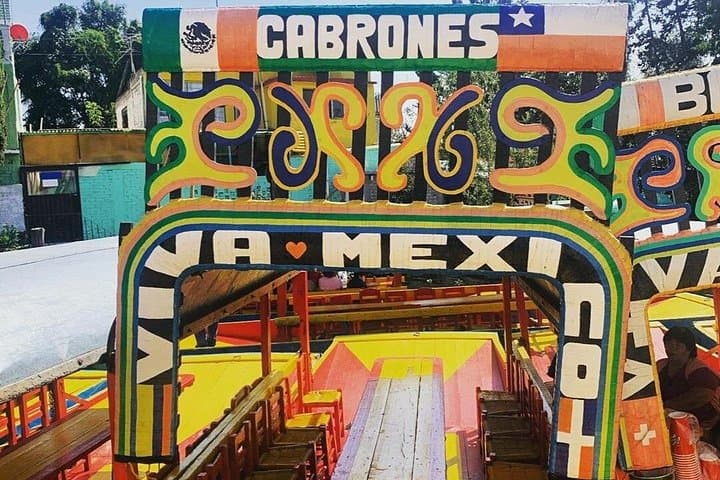
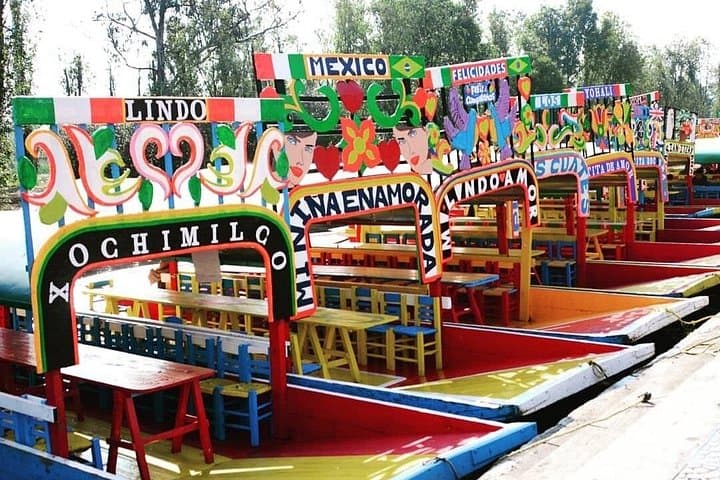
The day opens over glassy water as a brightly painted trajinera pushes away from a wooden pier, laughter and vendor calls mixing with the soft slap of oars. Sun heats the reed-lined canals and willows lean low, as if reading the names carved into the boat prows. On this 2½-hour outing visitors glide through Xochimilco’s living waterways with a local certified guide who points out floating gardens, the architecture of chinampas and the folk traditions that keep the canals alive.
Verified experiences and guided adventures in the surrounding area.
Operated by Curado Tours · Xochimilco, Mexico City
The day opens over glassy water as a brightly painted trajinera pushes away from a wooden pier, laughter and vendor calls mixing with the soft slap of oars. Sun heats the reed-lined canals and willows lean low, as if reading the names carved into the boat prows. On this 2½-hour outing visitors glide through Xochimilco’s living waterways with a local certified guide who points out floating gardens, the architecture of chinampas and the folk traditions that keep the canals alive.
Xochimilco dates to pre-Hispanic times, when Aztec engineers built chinampas—raised, fertile beds—on shallow lake beds. Geologically the area is lacustrine plain formed in the basin of Mexico City; its soils and canals reflect centuries of human-managed water. Culturally, trajineras are central to family fêtes and religious processions; the guide typically interprets songs, explains artisanal farming, and may arrange a mezcal sample.
Expect flat, slow water, narrow channels, and short stops at a working chinampa. The pace is relaxed but sensory: birds call from reeds, vendors float by in small boats, and the community’s rhythms are visible in gardens and docks. Practicals: boats are stable but there’s limited shade—bring sun protection, light layers and a refillable bottle. Tours often include round-trip transport from Mexico City and accommodate most fitness levels.
Travelers should move gently through this fragile landscape—stay seated while the boat moves, pack out any trash, and honor local cues during visits to private chinampas. With a little preparation, a trajinera ride offers an intimate, historically-rich slice of Mexican watercraft culture.
easy.
2–3 hours.
Suitable for most fitness levels; requires short periods of sitting and stepping on stairs or narrow docks.
Most trajineras require stepping down to board and are not wheelchair accessible; check with the operator for specific accessibility arrangements.
Tours often include bottled water and sometimes a small mezcal tasting; confirm inclusions before booking if you need meals.
Yes—this is family-friendly, but supervise children closely near docks and while boarding.
Yes, the typical itinerary includes a stop at a real chinampa and explanations of traditional cultivation practices.
Xochimilco’s canals are remnants of a pre-Hispanic lake system; chinampas are man-made agricultural plots developed by Indigenous engineers centuries ago.
The chinampa system is ecologically sensitive and under pressure from urbanization—minimize waste, avoid single-use plastics, and follow guide instructions to reduce impact.
Curado Tours operates guided outdoor trips and adventures with an emphasis on safety, stewardship, and memorable experiences.

The day opens over glassy water as a brightly painted trajinera pushes away from a wooden pier, laughter and vendor calls mixing with the soft slap of oars. Sun heats the reed-lined canals and willows lean low, as if reading the names carved into the boat prows. On this 2½-hour outing visitors glide through Xochimilco’s living waterways with a local certified guide who points out floating gardens, the architecture of chinampas and the folk traditions that keep the canals alive.
The day opens over glassy water as a brightly painted trajinera pushes away from a wooden pier, laughter and vendor calls mixing with the soft slap of oars. Sun heats the reed-lined canals and willows lean low, as if reading the names carved into the boat prows. On this 2½-hour outing visitors glide through Xochimilco’s living waterways with a local certified guide who points out floating gardens, the architecture of chinampas and the folk traditions that keep the canals alive.
Xochimilco dates to pre-Hispanic times, when Aztec engineers built chinampas—raised, fertile beds—on shallow lake beds. Geologically the area is lacustrine plain formed in the basin of Mexico City; its soils and canals reflect centuries of human-managed water. Culturally, trajineras are central to family fêtes and religious processions; the guide typically interprets songs, explains artisanal farming, and may arrange a mezcal sample.
Expect flat, slow water, narrow channels, and short stops at a working chinampa. The pace is relaxed but sensory: birds call from reeds, vendors float by in small boats, and the community’s rhythms are visible in gardens and docks. Practicals: boats are stable but there’s limited shade—bring sun protection, light layers and a refillable bottle. Tours often include round-trip transport from Mexico City and accommodate most fitness levels.
Travelers should move gently through this fragile landscape—stay seated while the boat moves, pack out any trash, and honor local cues during visits to private chinampas. With a little preparation, a trajinera ride offers an intimate, historically-rich slice of Mexican watercraft culture.