THE ADVENTURE COLLECTIVE® · Independent discovery and booking for outdoor travel

Glide narrow, near-deserted canals at sunrise in a stable cayuco, watch volcanoes light up the sky, and eat an organic breakfast harvested from a living chinampa. This intimate, conservation-focused tour highlights Xochimilco’s ecological and cultural roots.
Glide narrow, near-deserted canals at sunrise in a stable cayuco, watch volcanoes light up the sky, and eat an organic breakfast harvested from a living chinampa. This intimate, conservation-focused tour highlights Xochimilco’s ecological and cultural roots.
Before dawn the canals hold their breath: mist lifts in pale bands and the silhouettes of Iztaccíhuatl and Popocatépetl line the eastern horizon. Guests board a cayuco — a wider, more stable kayak-style boat — and glide into narrow, little-traveled channels where motorized trajineras never pass. The water reflects the first light, herons call from reed edges, and the rowers steer with practiced, silent strokes.
Verified experiences and guided adventures in the surrounding area.
Operated by Tlatoani tours · Mexico City, Ciudad de México
Before dawn the canals hold their breath: mist lifts in pale bands and the silhouettes of Iztaccíhuatl and Popocatépetl line the eastern horizon. Guests board a cayuco — a wider, more stable kayak-style boat — and glide into narrow, little-traveled channels where motorized trajineras never pass. The water reflects the first light, herons call from reed edges, and the rowers steer with practiced, silent strokes.
This part of Xochimilco reads like living history. The chinampa system—raised, fertile plots built on shallow lakebeds by pre-Hispanic farmers—remains active here and is part of a UNESCO-listed cultural landscape. Geologically, the valley sits in an ancient lake basin ringed by volcanic peaks; the canals are remnants of that lacustrine past.
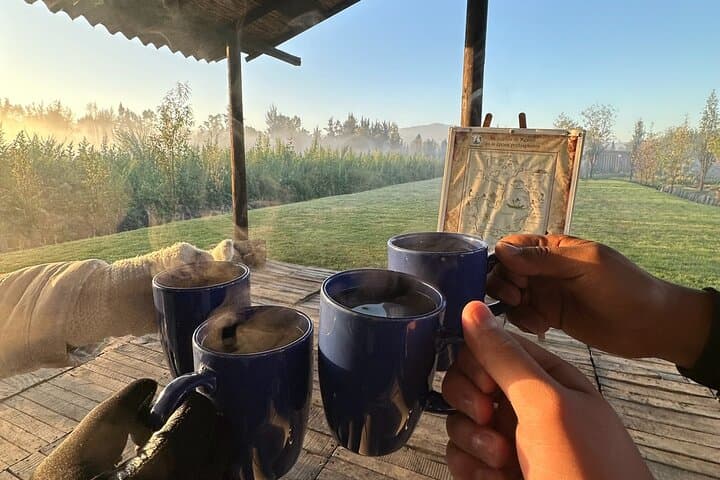
Culturally, the tour emphasizes quiet appreciation: guests watch organic ingredients harvested on-site, then eat a traditional breakfast of tlacoyo, fresh salad, and coffee beside a chinampa while a guide explains land stewardship and communal farming practices.
Practical details matter: departure around 5:00 a.m. with about a five-hour window, included round-trip transport from central locations, and no paddling required. Expect flat water, occasional narrow turns, and cool mornings that warm quickly as the sun rises. Photographers will find clean light and framed views of volcanoes; travelers with limited mobility should note boats are low to the water.
Plan for layers, sun protection after sunrise, and a reusable bottle; respect the ecosystem by avoiding single-use plastics and following guides’ instructions during the chinampa visit. The experience pairs sensory calm with a concise civic lesson in how ancient agricultural engineering still feeds a modern megacity.
easy.
5 hours.
Suitable for people with basic mobility; no paddling required but boarding low boats needs some balance.
Pickup typically begins around 5:00 a.m.; the tour includes round-trip transportation from central hotels or provided pickup points.
No—experienced rowers operate the cayucos; guests relax and enjoy the scenery without paddling.
Breakfast features organic, locally harvested items; most dietary needs can be accommodated if noted at booking—confirm during reservation.
The tour is family-friendly and described as easy, but boarding is low to the water and guides recommend advising them of any mobility or health concerns ahead of time.
Xochimilco’s chinampas are a pre-Hispanic agricultural system; the cultural landscape is part of Mexico’s UNESCO heritage for its living farming traditions.
The canals face pressures from urbanization and water management; responsible tourism supports local conservation and sustainable chinampa practices.
Tlatoani tours operates guided outdoor trips and adventures with an emphasis on safety, stewardship, and memorable experiences.
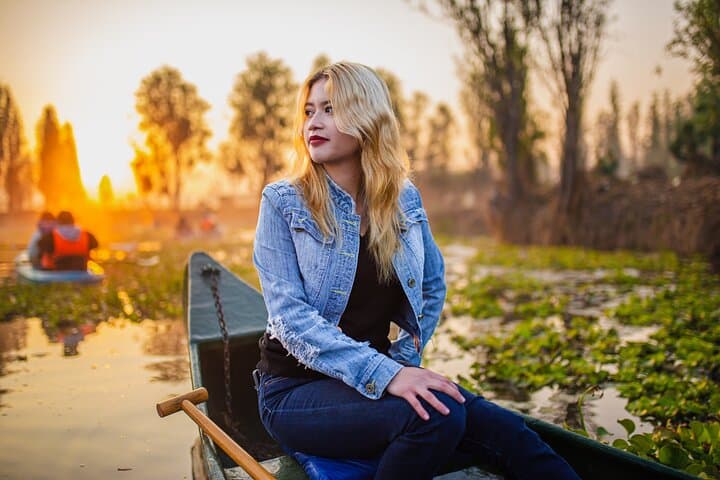
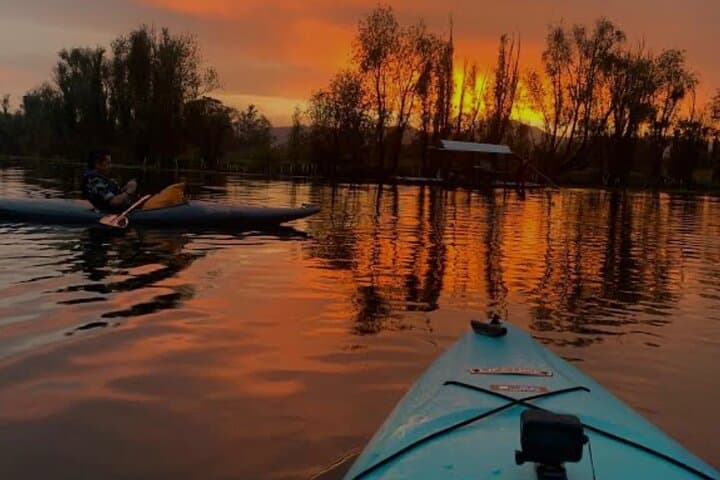
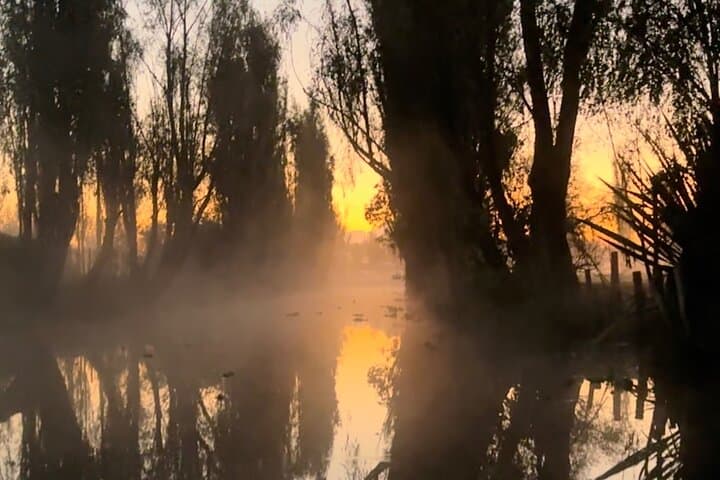
Before dawn the canals hold their breath: mist lifts in pale bands and the silhouettes of Iztaccíhuatl and Popocatépetl line the eastern horizon. Guests board a cayuco — a wider, more stable kayak-style boat — and glide into narrow, little-traveled channels where motorized trajineras never pass. The water reflects the first light, herons call from reed edges, and the rowers steer with practiced, silent strokes.
Before dawn the canals hold their breath: mist lifts in pale bands and the silhouettes of Iztaccíhuatl and Popocatépetl line the eastern horizon. Guests board a cayuco — a wider, more stable kayak-style boat — and glide into narrow, little-traveled channels where motorized trajineras never pass. The water reflects the first light, herons call from reed edges, and the rowers steer with practiced, silent strokes.
This part of Xochimilco reads like living history. The chinampa system—raised, fertile plots built on shallow lakebeds by pre-Hispanic farmers—remains active here and is part of a UNESCO-listed cultural landscape. Geologically, the valley sits in an ancient lake basin ringed by volcanic peaks; the canals are remnants of that lacustrine past.
Culturally, the tour emphasizes quiet appreciation: guests watch organic ingredients harvested on-site, then eat a traditional breakfast of tlacoyo, fresh salad, and coffee beside a chinampa while a guide explains land stewardship and communal farming practices.
Practical details matter: departure around 5:00 a.m. with about a five-hour window, included round-trip transport from central locations, and no paddling required. Expect flat water, occasional narrow turns, and cool mornings that warm quickly as the sun rises. Photographers will find clean light and framed views of volcanoes; travelers with limited mobility should note boats are low to the water.
Plan for layers, sun protection after sunrise, and a reusable bottle; respect the ecosystem by avoiding single-use plastics and following guides’ instructions during the chinampa visit. The experience pairs sensory calm with a concise civic lesson in how ancient agricultural engineering still feeds a modern megacity.