THE ADVENTURE COLLECTIVE® · Independent discovery and booking for outdoor travel

Float through Xochimilco’s historic canals on a colorful trajinera. This three-hour cruise pairs mezcal and tequila tastings, a local meal, chinampa visits and a chance to see the rare axolotl.
Float through Xochimilco’s historic canals on a colorful trajinera. This three-hour cruise pairs mezcal and tequila tastings, a local meal, chinampa visits and a chance to see the rare axolotl.
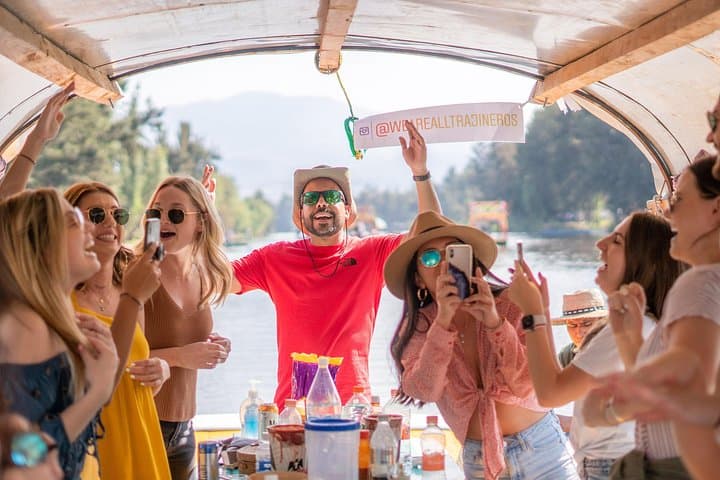
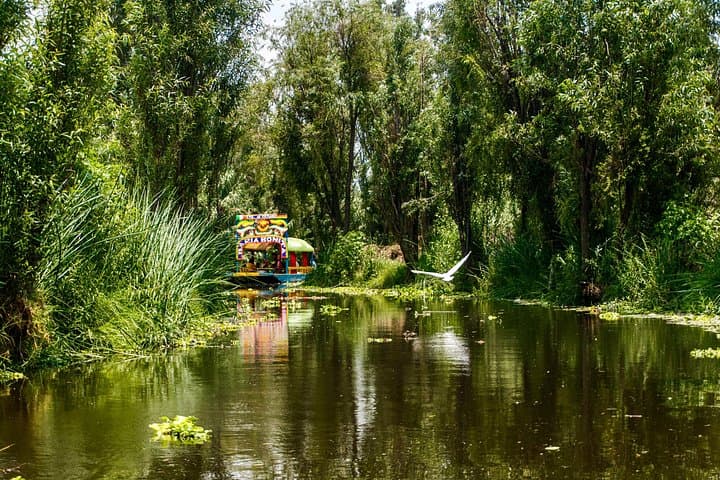
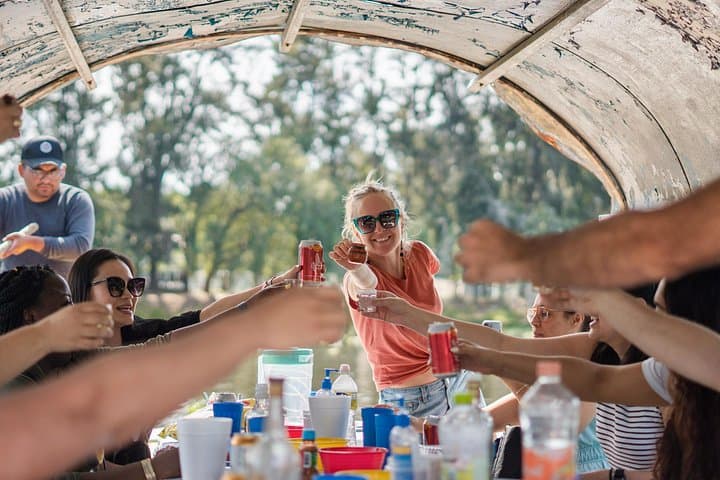
You push off from a low wooden dock into a corridor of water that threads through gardens and chinampas, the trajinera’s painted prow cutting a bright line across green reflections. Vendors drift by in their own boats; a speaker hums cumbia while reeds and willow branches lean in like curious neighbors. The canals of Xochimilco move with a slow, social rhythm—boats passing, laughter rising, a mariachi perhaps drifting close enough to sing.
Verified experiences and guided adventures in the surrounding area.
Operated by Paseana · Xochimilco, Mexico City
You push off from a low wooden dock into a corridor of water that threads through gardens and chinampas, the trajinera’s painted prow cutting a bright line across green reflections. Vendors drift by in their own boats; a speaker hums cumbia while reeds and willow branches lean in like curious neighbors. The canals of Xochimilco move with a slow, social rhythm—boats passing, laughter rising, a mariachi perhaps drifting close enough to sing.
This landscape is pre-Hispanic in design: chinampas—raised beds held by willow and reed—have fed Mexico City for centuries. The area’s lagoon system sits on an ancient lakebed of the Basin of Mexico; marshy channels and shallow water invite birds, frogs and the endemic axolotl, which you may glimpse in protected chinampas.
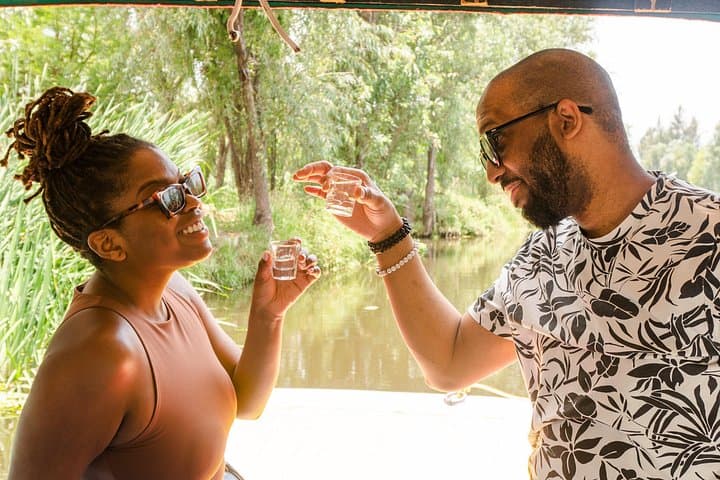
Culturally, Xochimilco is equal parts living community and heritage site, declared a UNESCO World Heritage Site in 1987 for its agricultural and water-management traditions. Expect local storytelling, mezcal and tequila tastings delivered with context—how each spirit is made, how Mexicans traditionally sip and pair them—and a family-cooked lunch on shore.
Practically: tours run about three hours, are physically easy and suitable for most travelers. Bring small bills for restroom stops and vendors; protect yourself from sun and sudden rain with a hat and light layer. If you want quieter canals, aim for weekday mornings—weekends draw the largest flotillas.
This is a social, sensory trip: bright boats, edible traditions, and an ecosystem that still resists the city’s sprawl. Go ready to taste, listen, and move slowly with the water.
easy.
3 hours.
Suitable for all fitness levels; you'll sit for most of the tour and do minimal walking at chinampas
Yes—tequila and mezcal tastings are provided during the three-hour cruise for participants 18 and older.
Yes—families are welcome; infants and small children can ride in strollers, though some boat movement is expected.
Yes, there are rustic pit-style restrooms along the route that usually charge about 5 MXN per use—bring small change.
Group sizes vary; tours can accommodate multiple shared boats and up to about 30 travelers across the operation, but individual trajineras typically hold smaller parties.
Xochimilco preserves an irrigation system and agricultural practices dating to the pre-Hispanic Basin of Mexico; the chinampa method supported dense population centers before and after the Spanish conquest.
Water levels and pollution have threatened native species and chinampa agriculture; community projects and regulated ecotourism aim to support restoration and local livelihoods.
Paseana operates guided outdoor trips and adventures with an emphasis on safety, stewardship, and memorable experiences.
You push off from a low wooden dock into a corridor of water that threads through gardens and chinampas, the trajinera’s painted prow cutting a bright line across green reflections. Vendors drift by in their own boats; a speaker hums cumbia while reeds and willow branches lean in like curious neighbors. The canals of Xochimilco move with a slow, social rhythm—boats passing, laughter rising, a mariachi perhaps drifting close enough to sing.
You push off from a low wooden dock into a corridor of water that threads through gardens and chinampas, the trajinera’s painted prow cutting a bright line across green reflections. Vendors drift by in their own boats; a speaker hums cumbia while reeds and willow branches lean in like curious neighbors. The canals of Xochimilco move with a slow, social rhythm—boats passing, laughter rising, a mariachi perhaps drifting close enough to sing.
This landscape is pre-Hispanic in design: chinampas—raised beds held by willow and reed—have fed Mexico City for centuries. The area’s lagoon system sits on an ancient lakebed of the Basin of Mexico; marshy channels and shallow water invite birds, frogs and the endemic axolotl, which you may glimpse in protected chinampas.
Culturally, Xochimilco is equal parts living community and heritage site, declared a UNESCO World Heritage Site in 1987 for its agricultural and water-management traditions. Expect local storytelling, mezcal and tequila tastings delivered with context—how each spirit is made, how Mexicans traditionally sip and pair them—and a family-cooked lunch on shore.
Practically: tours run about three hours, are physically easy and suitable for most travelers. Bring small bills for restroom stops and vendors; protect yourself from sun and sudden rain with a hat and light layer. If you want quieter canals, aim for weekday mornings—weekends draw the largest flotillas.
This is a social, sensory trip: bright boats, edible traditions, and an ecosystem that still resists the city’s sprawl. Go ready to taste, listen, and move slowly with the water.