THE ADVENTURE COLLECTIVE® · Independent discovery and booking for outdoor travel

Float through Xochimilco's historic canals aboard decorated trajineras, where mariachis, markets and chinampa gardens meet. This 2–3 hour cultural water tour blends easy walking with music, local food and wildlife glimpses—ideal for travelers seeking an accessible, immersive half-day adventure.
Float through Xochimilco's historic canals aboard decorated trajineras, where mariachis, markets and chinampa gardens meet. This 2–3 hour cultural water tour blends easy walking with music, local food and wildlife glimpses—ideal for travelers seeking an accessible, immersive half-day adventure.
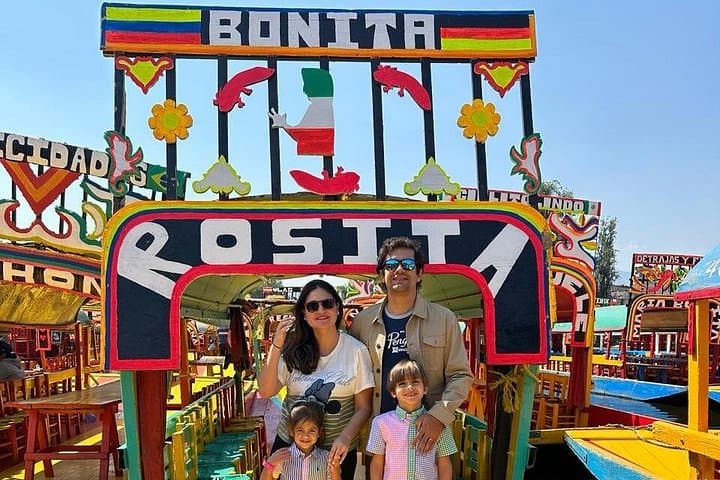
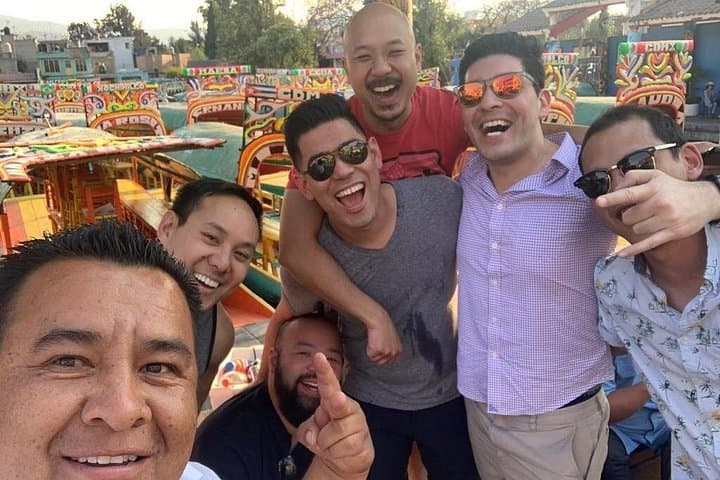
You push away from the dock and the reed-lined canal narrows, colorful trajineras rocking with song and conversation.
Verified experiences and guided adventures in the surrounding area.
Operated by LIVELIZU · Xochimilco, Mexico City
You push away from the dock and the reed-lined canal narrows, colorful trajineras rocking with song and conversation.
This is Xochimilco: water threads through an agricultural landscape that grew out of the ancient lake system of the Basin of Mexico. The canals trace human-made chinampas—raised agricultural islands from the pre-Hispanic era—while modern vendors, mariachis and marimbas move alongside families and tourists.
Geology here is simple and high: the valley sits at roughly 2,240 meters elevation where former lakebeds still hold slow-moving water. Culture is loud and convivial—live regional music, small restaurants at the embarcaderos and markets where artisanal crafts and pulque meet local produce. Nearby attractions include the Serpentario and Ajolotario, small collections that highlight the region's snake species and the famous axolotl, though some sites charge extra.
Practically, expect a mostly flat, slow boat trip lasting about 2–3 hours on calm canals; routes and stops vary by operator. The walk element in many tours is light—short strolls at markets or craft stalls—so suitable for most fitness levels and wheelchair-accessible at some embarcaderos.
Bring sun protection, cash for food and musicians, and a dry bag for electronics. Water quality is not for swimming; treat the ride as a cultural water tour rather than a wilderness paddle. Early morning or late afternoon trips avoid midday heat and heavier crowds. Respect local vendors and wildlife, and leave the chinampas as you find them—this is living landscape, not a museum.
easy.
2–3 hours.
Suitable for most fitness levels; involves light walking and sitting on a flat boat.
Most organized tours last about 2–3 hours (150 minutes in this offering), combining a trajinera ride with optional short stops at markets or points of interest.
No—canal water is not suitable for swimming; treat this as a cultural boat tour rather than a recreational paddle.
Some embarcaderos and boats offer wheelchair-accessible surfaces and transport; check the operator's accessibility notes before booking.
Axolotls are rare in the wild; the Ajolotario and nearby exhibits display them, but sightings in canals are uncommon and not guaranteed.
Xochimilco preserves a network of canals and chinampas developed by indigenous peoples from the pre-Hispanic lake system; the area reflects centuries of agricultural and urban change.
Xochimilco faces pressures from urbanization and water quality; support local guides, avoid littering and respect protected species to reduce impact.
LIVELIZU operates guided outdoor trips and adventures with an emphasis on safety, stewardship, and memorable experiences.


You push away from the dock and the reed-lined canal narrows, colorful trajineras rocking with song and conversation.
You push away from the dock and the reed-lined canal narrows, colorful trajineras rocking with song and conversation.
This is Xochimilco: water threads through an agricultural landscape that grew out of the ancient lake system of the Basin of Mexico. The canals trace human-made chinampas—raised agricultural islands from the pre-Hispanic era—while modern vendors, mariachis and marimbas move alongside families and tourists.
Geology here is simple and high: the valley sits at roughly 2,240 meters elevation where former lakebeds still hold slow-moving water. Culture is loud and convivial—live regional music, small restaurants at the embarcaderos and markets where artisanal crafts and pulque meet local produce. Nearby attractions include the Serpentario and Ajolotario, small collections that highlight the region's snake species and the famous axolotl, though some sites charge extra.
Practically, expect a mostly flat, slow boat trip lasting about 2–3 hours on calm canals; routes and stops vary by operator. The walk element in many tours is light—short strolls at markets or craft stalls—so suitable for most fitness levels and wheelchair-accessible at some embarcaderos.
Bring sun protection, cash for food and musicians, and a dry bag for electronics. Water quality is not for swimming; treat the ride as a cultural water tour rather than a wilderness paddle. Early morning or late afternoon trips avoid midday heat and heavier crowds. Respect local vendors and wildlife, and leave the chinampas as you find them—this is living landscape, not a museum.