THE ADVENTURE COLLECTIVE® · Independent discovery and booking for outdoor travel

A compact walking tour through Xiguan’s Liwan Museum, Yongqingfang and Shamian Island that stitches Qing-era domestic life and 19th-century treaty port architecture into one accessible half-day. Expect street food, preserved grand houses, and European-style boulevards close to metro access.
A compact walking tour through Xiguan’s Liwan Museum, Yongqingfang and Shamian Island that stitches Qing-era domestic life and 19th-century treaty port architecture into one accessible half-day. Expect street food, preserved grand houses, and European-style boulevards close to metro access.
You step out of Zhongshanba Station and the city exhales differently here — alleys widen into arcade-lined streets, and the Pearl River’s current seems to tug memory toward Shamian Island.
Verified experiences and guided adventures in the surrounding area.
Operated by Greg's Walks · Guangzhou, Guangdong
You step out of Zhongshanba Station and the city exhales differently here — alleys widen into arcade-lined streets, and the Pearl River’s current seems to tug memory toward Shamian Island.
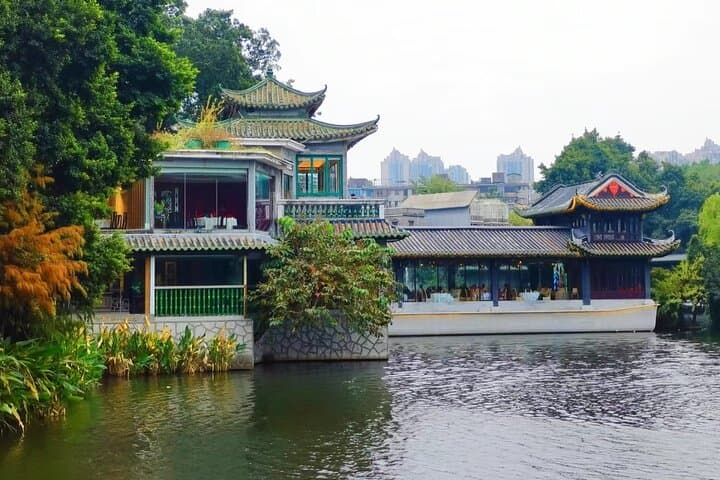
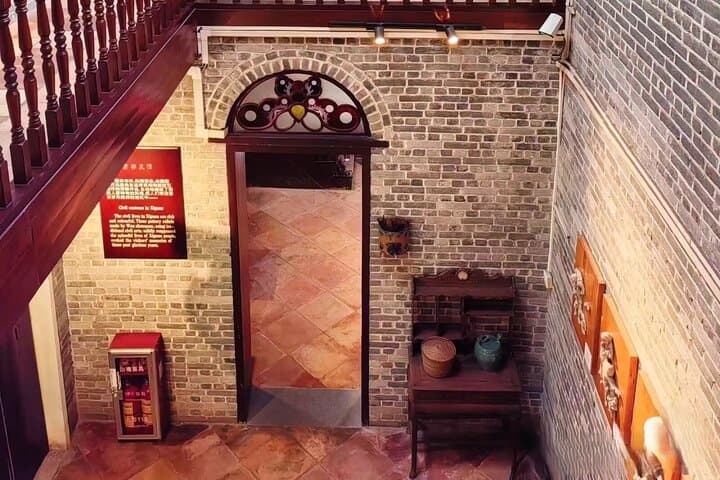
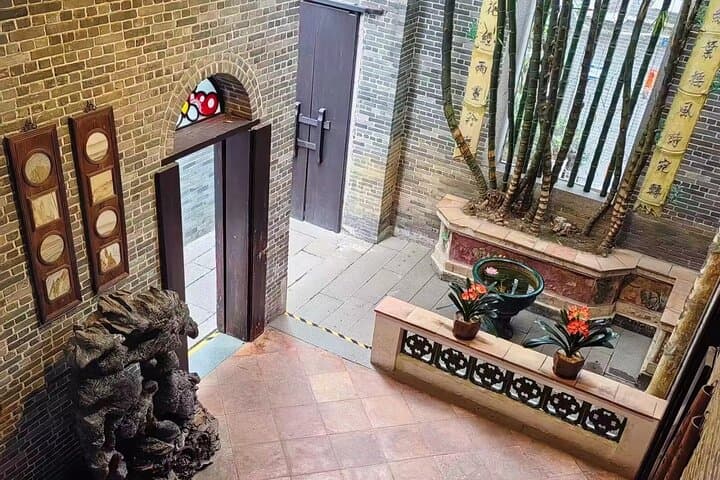
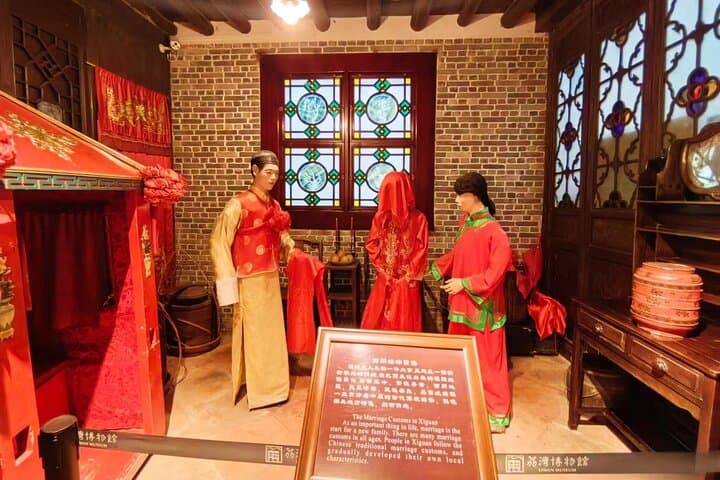
This walking route threads Liwan Museum, Yongqingfang, and Shamian, folding together Qing-era Xiguan grand houses and 19th-century treaty port façades. The Liwan Museum reconstructs room layouts and domestic artifacts that explain how timber frameworks and tile eaves shaped daily life; Guangcai porcelain and Lingnan ivory carving reflect regional craft economics. Shamian’s red-brick customs house and Gothic Our Lady of Lourdes Chapel speak to European influence when Guangzhou opened to trade.
Geology is subtle but present: the Pearl River’s alluvial plain created the flat ground that allowed arcades and broad commercial streets to flourish, while local clay produced the glazes and tiles distinctive to Lingnan craft. Cultural notes: Cantonese opera, food stalls on Enning Road, and family-run snack shops keep traditions moving.
Practical guidance: expect 3½–4 hours of mostly flat walking over paved streets and boardwalks; wear comfortable shoes and bring water. Mornings are cooler and quieter; afternoons get busy on Shangxiajiu. The tour is wheelchair- and stroller-accessible but involves narrow market pinch points. Carry small cash for snacks and keep a translated address if returning by taxi.
This is a compact, layered day that balances architecture, street life, and museums — ideal for travelers who want concentrated cultural context without long transfers.
easy.
3.5–4 hours.
Light activity; suitable for travelers who can walk or stand intermittently for several hours
The guided walk is about 220 minutes (around 3½–4 hours) and meets outside Exit A of Zhongshanba Station on Metro Line 5.
Yes — the route and transportation options are wheelchair- and stroller-accessible, though some narrow market alleys may be busy at peak times.
Admission to the Liwan Museum is included in the itinerary; other stops are outdoor visits or free to enter.
A local snack and bottled water are included; bring extra cash if you want additional street food purchases.
Xiguan grew as Guangzhou expanded in the late Qing and Republican eras; its grand houses reflect merchant wealth and Lingnan domestic architecture, while Shamian records the treaty-port period of foreign concessions.
Local conservation focuses on preserving historic façades and reducing tourist wear in older lanes; visitors are urged to avoid littering and respect signage in restored courtyards.
Greg's Walks operates guided outdoor trips and adventures with an emphasis on safety, stewardship, and memorable experiences.
You step out of Zhongshanba Station and the city exhales differently here — alleys widen into arcade-lined streets, and the Pearl River’s current seems to tug memory toward Shamian Island.
You step out of Zhongshanba Station and the city exhales differently here — alleys widen into arcade-lined streets, and the Pearl River’s current seems to tug memory toward Shamian Island.
This walking route threads Liwan Museum, Yongqingfang, and Shamian, folding together Qing-era Xiguan grand houses and 19th-century treaty port façades. The Liwan Museum reconstructs room layouts and domestic artifacts that explain how timber frameworks and tile eaves shaped daily life; Guangcai porcelain and Lingnan ivory carving reflect regional craft economics. Shamian’s red-brick customs house and Gothic Our Lady of Lourdes Chapel speak to European influence when Guangzhou opened to trade.
Geology is subtle but present: the Pearl River’s alluvial plain created the flat ground that allowed arcades and broad commercial streets to flourish, while local clay produced the glazes and tiles distinctive to Lingnan craft. Cultural notes: Cantonese opera, food stalls on Enning Road, and family-run snack shops keep traditions moving.
Practical guidance: expect 3½–4 hours of mostly flat walking over paved streets and boardwalks; wear comfortable shoes and bring water. Mornings are cooler and quieter; afternoons get busy on Shangxiajiu. The tour is wheelchair- and stroller-accessible but involves narrow market pinch points. Carry small cash for snacks and keep a translated address if returning by taxi.
This is a compact, layered day that balances architecture, street life, and museums — ideal for travelers who want concentrated cultural context without long transfers.