THE ADVENTURE COLLECTIVE® · Independent discovery and booking for outdoor travel

Witness sunrise striping the mudflats and explore the Yangjia Stream on a guided day tour that times light and tides for photography. Expect bamboo-pole compositions, kelp harvest scenes, and varied coastal landscapes.
Witness sunrise striping the mudflats and explore the Yangjia Stream on a guided day tour that times light and tides for photography. Expect bamboo-pole compositions, kelp harvest scenes, and varied coastal landscapes.
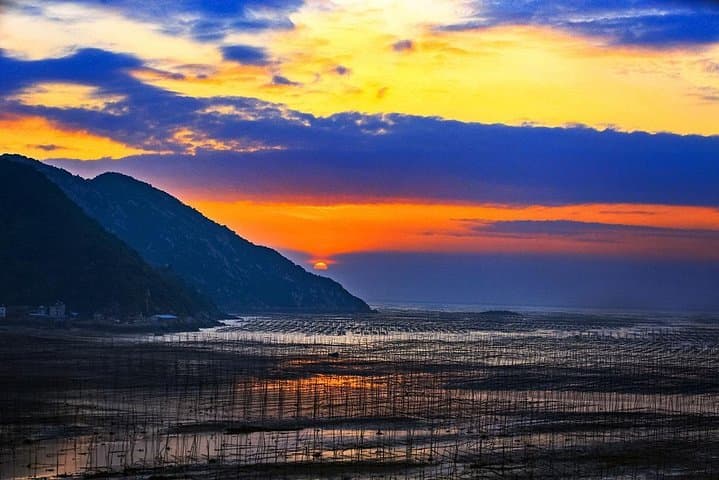
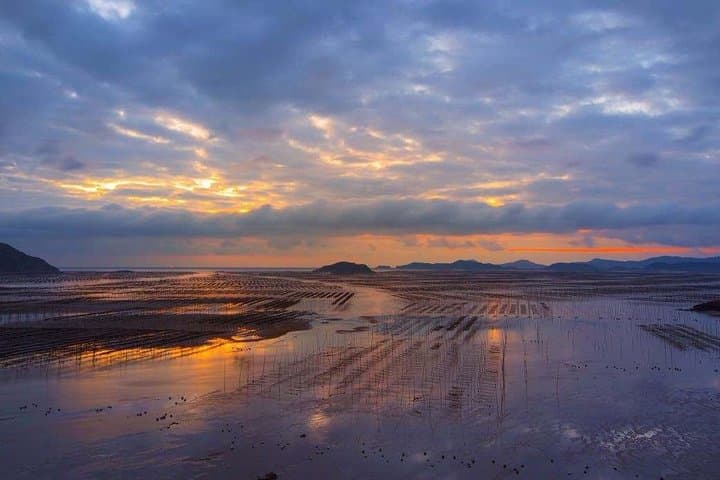
Dawn arrives cold and clean over Beiqi Village; a low sun pries light from the horizon and paints the mudflat with tiger-like bands of shadow and gold. You stand on wet sand while a network of bamboo poles and fishing boats silhouette against shallow channels, and the tide seems to move with a camera’s shutter, revealing and hiding patterns in rhythm.
Verified experiences and guided adventures in the surrounding area.
Operated by Elephant Tour · Xiapu, Fujian
Dawn arrives cold and clean over Beiqi Village; a low sun pries light from the horizon and paints the mudflat with tiger-like bands of shadow and gold. You stand on wet sand while a network of bamboo poles and fishing boats silhouette against shallow channels, and the tide seems to move with a camera’s shutter, revealing and hiding patterns in rhythm.
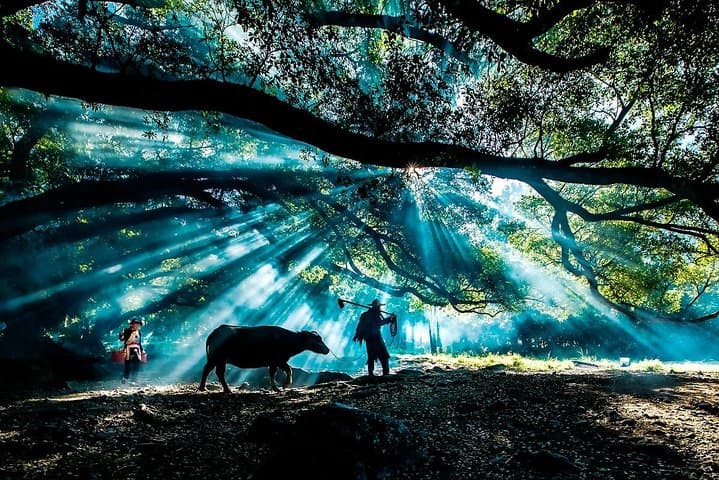
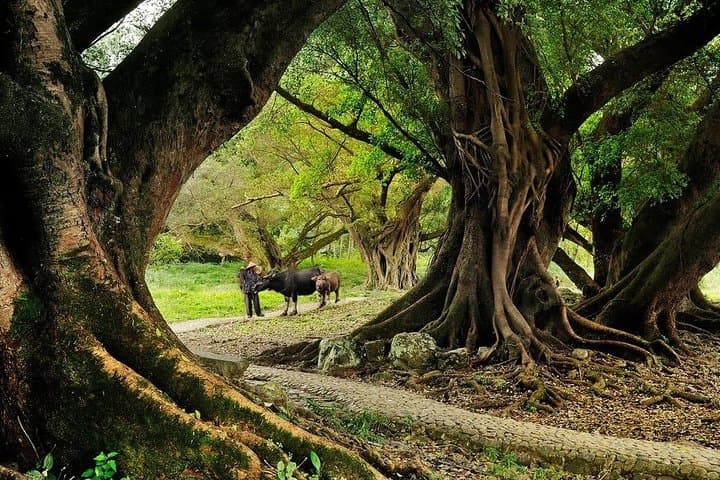
Xiapu’s mudflats formed where rivers meet the East China Sea, creating broad tidal flats and winding freshwater channels. The coast has long supported fishing villages whose nets, poles and kelp racks become compositional elements for photographers. Yangjia Stream — often called the “Small Wuyi of east Fujian” — slices inland with clear pools and maple-fringed banks, offering a contrast of forested stream photography to the open-mudflat vistas.
On a day tour you’ll chase sunrise at Beiqi, spend focused time on Yangjia Stream, then move to Xiaohao and Dongbi for varied light and cultural scenes: kelp harvests, net-hanging rituals and fishermen at work. Guides time drives with tides and light; expect several short walks on wet, uneven ground and vehicle transfers between sites.
Practical bits: rise well before dawn, bring waterproof footwear and carbon-filtered lens cloths, and learn basic tide timing to maximize composition options. Midday can be harsh for color; golden hour and post-rain skies are best. Respect private property and local crews; ask before photographing people. The tour is accessible for most fitness levels but requires mobility on soft mud and some short stair sections at village viewpoints.
easy.
7–9 hours.
Suitable for most fitness levels; requires comfortable walking on soft mud and short uphill steps at some viewpoints.
No — the guide plans stops around tides, but knowing basic tide behavior helps you understand when channels and patterns will appear.
Yes — it’s rated easy with vehicle transfers, but participants should be able to walk short distances on soft, uneven ground.
Standard travel visas for China apply; no special photography permits are required for these public coastal areas, but always ask permission before photographing private property or people.
Bring a tripod for low-light sunrise/sunset shots, a wide-angle for patterns, and a mid-tele to isolate subjects — weather-sealed gear is a plus due to spray and mud.
Xiapu’s coastal villages have long been shaped by tidal fishing and kelp aquaculture; the mudflat landscape evolved alongside local livelihoods over centuries.
Respect tidal rhythms and avoid trampling exposed marshes; local communities depend on sustainable shellfish and kelp harvests, so follow guidance from guides and villagers.
Elephant Tour operates guided outdoor trips and adventures with an emphasis on safety, stewardship, and memorable experiences.
Dawn arrives cold and clean over Beiqi Village; a low sun pries light from the horizon and paints the mudflat with tiger-like bands of shadow and gold. You stand on wet sand while a network of bamboo poles and fishing boats silhouette against shallow channels, and the tide seems to move with a camera’s shutter, revealing and hiding patterns in rhythm.
Dawn arrives cold and clean over Beiqi Village; a low sun pries light from the horizon and paints the mudflat with tiger-like bands of shadow and gold. You stand on wet sand while a network of bamboo poles and fishing boats silhouette against shallow channels, and the tide seems to move with a camera’s shutter, revealing and hiding patterns in rhythm.
Xiapu’s mudflats formed where rivers meet the East China Sea, creating broad tidal flats and winding freshwater channels. The coast has long supported fishing villages whose nets, poles and kelp racks become compositional elements for photographers. Yangjia Stream — often called the “Small Wuyi of east Fujian” — slices inland with clear pools and maple-fringed banks, offering a contrast of forested stream photography to the open-mudflat vistas.
On a day tour you’ll chase sunrise at Beiqi, spend focused time on Yangjia Stream, then move to Xiaohao and Dongbi for varied light and cultural scenes: kelp harvests, net-hanging rituals and fishermen at work. Guides time drives with tides and light; expect several short walks on wet, uneven ground and vehicle transfers between sites.
Practical bits: rise well before dawn, bring waterproof footwear and carbon-filtered lens cloths, and learn basic tide timing to maximize composition options. Midday can be harsh for color; golden hour and post-rain skies are best. Respect private property and local crews; ask before photographing people. The tour is accessible for most fitness levels but requires mobility on soft mud and some short stair sections at village viewpoints.