THE ADVENTURE COLLECTIVE® · Independent discovery and booking for outdoor travel

Move from the Terracotta Warriors' galleries in Xi'an to the rooftop terraces of Lhasa in seven curated days. This private tour combines iconic archaeological sites, high-altitude monasteries, and the turquoise sweep of Yamdrok Lake with guided logistics to minimize planning stress.
Move from the Terracotta Warriors' galleries in Xi'an to the rooftop terraces of Lhasa in seven curated days. This private tour combines iconic archaeological sites, high-altitude monasteries, and the turquoise sweep of Yamdrok Lake with guided logistics to minimize planning stress.
Morning light cuts across Xi'an's city wall as travelers step from a quiet hotel into a street that still smells of toasted sesame and spice. Within two days the itinerary moves from lowland archeology to thin-air sanctuaries: gallery halls of the Terracotta Army give way to the stepped white façades of Lhasa, where prayer flags tug at the wind and the air itself feels like a presence to contend with.
Verified experiences and guided adventures in the surrounding area.
Operated by China Travel Service · Lhasa, Tibet
Morning light cuts across Xi'an's city wall as travelers step from a quiet hotel into a street that still smells of toasted sesame and spice. Within two days the itinerary moves from lowland archeology to thin-air sanctuaries: gallery halls of the Terracotta Army give way to the stepped white façades of Lhasa, where prayer flags tug at the wind and the air itself feels like a presence to contend with.
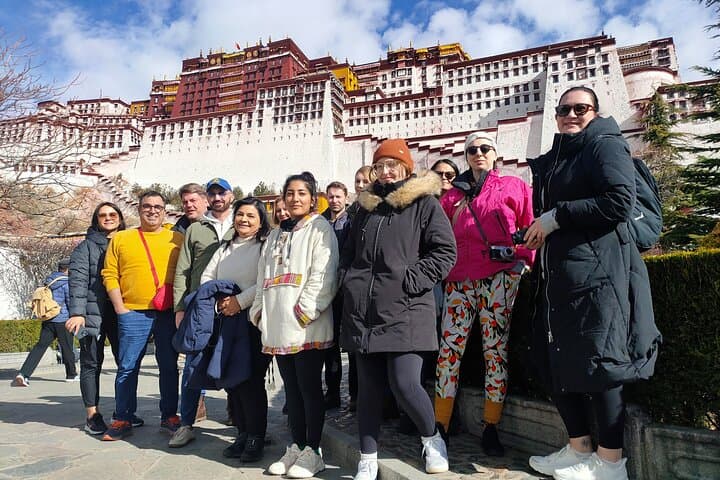
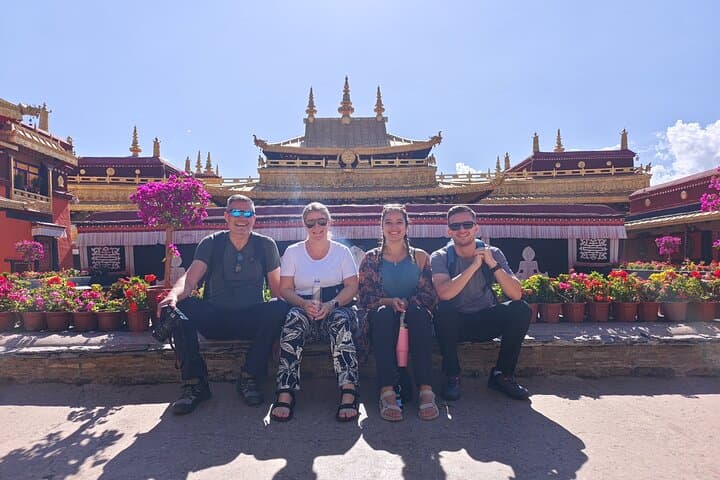
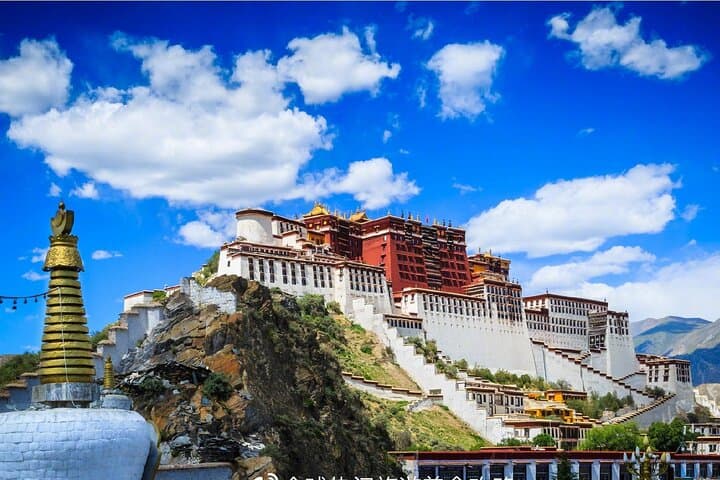
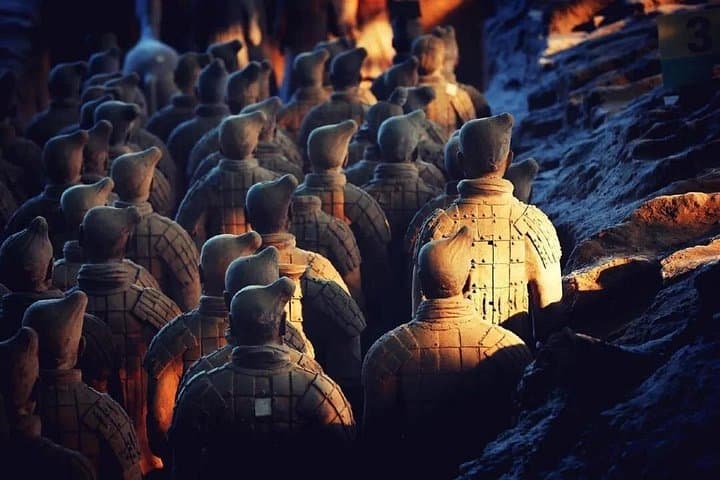
The tour threads China’s imperial past to Tibetan religious life. In Xi'an, visitors trace Emperor Qin's 3rd-century BCE funerary vision in galleries that show thousands of life-size figures and learn how the city wall—one of the largest intact ancient ramparts—shaped urban defense and trade. In Lhasa, Potala Palace and Jokhang Temple speak to centuries of Tibetan Buddhism; nearby Yamdrok Lake sits above 4,400 m on a carbonate plateau carved by glacial and tectonic forces, its cobalt surface hugging the horizon.
Practicalities drive the plan: expect roughly 50 minutes each way to the Terracotta site from downtown Xi'an, domestic flight time from Xi'an to Lhasa, and long drives to highland sights such as Yamdrok (4–6 hours round trip). Altitude is the pivotal factor—allow time to rest on arrival, hydrate, and keep walks gentle for the first 48 hours. Comfortable walking shoes, sun protection, and layered clothing will make courtyard climbs, monastery steps, and windy lake shores manageable.
This private tour blends curated heritage visits with transport and English-speaking guides, offering a concentrated, logistics-light route through two very different cultural landscapes.
challenging.
7 days.
Requires good cardiovascular fitness and stair-climbing ability; must tolerate high altitude and several extended drives.
No. You are required to book and purchase the domestic flight from Xi'an to Lhasa yourself using your passport; timing should align with the tour schedule.
Yes—arrival day in Lhasa is scheduled for rest; however, travelers should plan gentle activity the first 48 hours and consult a physician if they have cardiac or respiratory issues.
Many admissions are included per the operator's itinerary, but confirm specific tickets with the local guide as some seasonal or timed-entry passes may vary.
Children under 18 must be accompanied by an adult. The tour is not recommended for pregnant travelers or those with serious heart conditions due to high-altitude exposure.
The Terracotta Army dates to Qin Shihuang's 3rd-century BCE mausoleum project, while Lhasa's Potala and Jokhang became central to Tibetan Buddhist governance and ritual over many centuries.
High-altitude ecosystems and holy sites are fragile—avoid littering, minimize plastic waste, and follow local rules to protect cultural and natural resources.
China Travel Service operates guided outdoor trips and adventures with an emphasis on safety, stewardship, and memorable experiences.
Morning light cuts across Xi'an's city wall as travelers step from a quiet hotel into a street that still smells of toasted sesame and spice. Within two days the itinerary moves from lowland archeology to thin-air sanctuaries: gallery halls of the Terracotta Army give way to the stepped white façades of Lhasa, where prayer flags tug at the wind and the air itself feels like a presence to contend with.
Morning light cuts across Xi'an's city wall as travelers step from a quiet hotel into a street that still smells of toasted sesame and spice. Within two days the itinerary moves from lowland archeology to thin-air sanctuaries: gallery halls of the Terracotta Army give way to the stepped white façades of Lhasa, where prayer flags tug at the wind and the air itself feels like a presence to contend with.
The tour threads China’s imperial past to Tibetan religious life. In Xi'an, visitors trace Emperor Qin's 3rd-century BCE funerary vision in galleries that show thousands of life-size figures and learn how the city wall—one of the largest intact ancient ramparts—shaped urban defense and trade. In Lhasa, Potala Palace and Jokhang Temple speak to centuries of Tibetan Buddhism; nearby Yamdrok Lake sits above 4,400 m on a carbonate plateau carved by glacial and tectonic forces, its cobalt surface hugging the horizon.
Practicalities drive the plan: expect roughly 50 minutes each way to the Terracotta site from downtown Xi'an, domestic flight time from Xi'an to Lhasa, and long drives to highland sights such as Yamdrok (4–6 hours round trip). Altitude is the pivotal factor—allow time to rest on arrival, hydrate, and keep walks gentle for the first 48 hours. Comfortable walking shoes, sun protection, and layered clothing will make courtyard climbs, monastery steps, and windy lake shores manageable.
This private tour blends curated heritage visits with transport and English-speaking guides, offering a concentrated, logistics-light route through two very different cultural landscapes.