THE ADVENTURE COLLECTIVE® · Independent discovery and booking for outdoor travel

Spend a private day from Xi’an at the Terracotta Army then choose city highlights—cycle the ancient City Wall, visit Giant Wild Goose Pagoda or soak at Huaqing Hot Springs. A guide-led itinerary that balances archaeology, architecture and local flavor in 6–8 hours.
Spend a private day from Xi’an at the Terracotta Army then choose city highlights—cycle the ancient City Wall, visit Giant Wild Goose Pagoda or soak at Huaqing Hot Springs. A guide-led itinerary that balances archaeology, architecture and local flavor in 6–8 hours.
You step out of a quiet hotel lobby before dawn and the city is still loosening its grip; the driver’s van hums down broad avenues toward the fields where the Terracotta Army sleeps under corrugated roofs. By mid-morning the museum’s pits open like chapters: rows of life-sized soldiers, each face a small rebellion against uniformity, stand in formation as if waiting for orders never given.
Verified experiences and guided adventures in the surrounding area.
Operated by China Tour Search · Xi'an, Shaanxi
You step out of a quiet hotel lobby before dawn and the city is still loosening its grip; the driver’s van hums down broad avenues toward the fields where the Terracotta Army sleeps under corrugated roofs. By mid-morning the museum’s pits open like chapters: rows of life-sized soldiers, each face a small rebellion against uniformity, stand in formation as if waiting for orders never given.
Xi’an sits on the fertile Guanzhong plain; its long occupation as the eastern terminus of the Silk Road made it a meeting point of cultures, technologies and religious exchange. The Terracotta Warriors date to Qin Shi Huang (3rd century BCE), when imperial ambition reconfigured landscape and labor; nearby, the Ming-era city wall and the Giant Wild Goose Pagoda tell later chapters — medieval defense, Buddhist scholarship and Tang dynasty cosmopolitanism.
Afternoon choices let you trade archaeology for urban texture: cycle a length of the 13.7 km city wall, browse the spice-and-street-food lanes of the Muslim Quarter, or soak in Huaqing Hot Springs that have drawn visitors for millennia. Practical notes: expect 6–8 hours on a private vehicle itinerary, moderate walking on uneven surfaces, and short queues if you arrive early. Bring water, a sun layer, and shoes with good traction. Ask your guide in advance which sites fit the afternoon window — two smaller attractions or one larger site usually works best. Timing your visit around early entry to the museum, and leaving the city wall for later light, keeps the day flowing. This is a cultural day of discovery rather than a strenuous trek — the rewards are in the details: pottery clay, old bricks, and stories carved into stone.
moderate.
6–8 hours.
Light to moderate stamina for walking and standing; suitable for most travelers who can manage stairs and uneven surfaces.
The private itinerary runs about 6–8 hours depending on afternoon site choices and traffic.
Admission is typically not included; your guide will advise which sites require tickets and can arrange them for you.
Yes — the tour is physically easy overall, but it involves walking and some stairs; infants should be on laps and travelers with mobility issues should inform the operator beforehand.
Yes — you can select one large site or two smaller ones from options like the City Wall, Big Wild Goose Pagoda, Huaqing Hot Springs, or the Muslim Quarter, but plan ahead to fit timing.
Xi’an served as the capital for multiple dynasties and was a major Silk Road hub; the Terracotta Army was part of Qin Shi Huang’s massive mausoleum complex dating to the 3rd century BCE.
High visitor numbers stress fragile archaeological sites; follow marked paths and avoid touching artifacts. Local preservation projects regulate access and restoration, so respect guide instructions and signage.
China Tour Search operates guided outdoor trips and adventures with an emphasis on safety, stewardship, and memorable experiences.
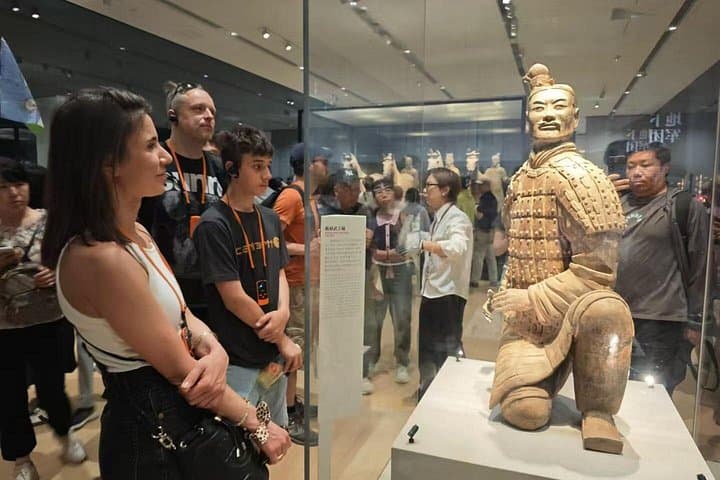
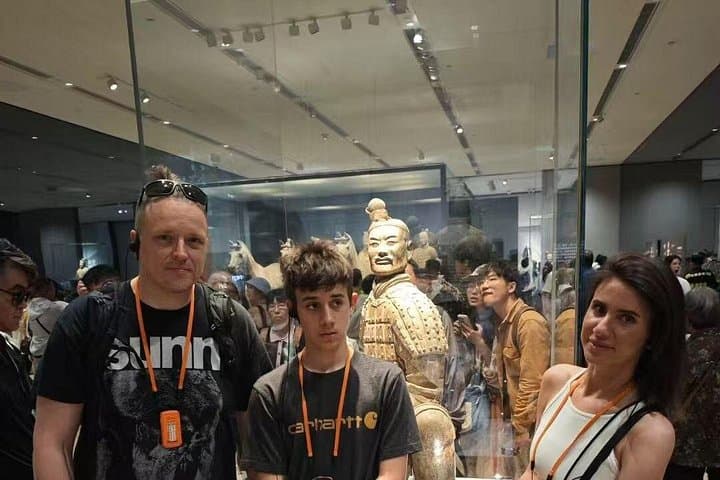
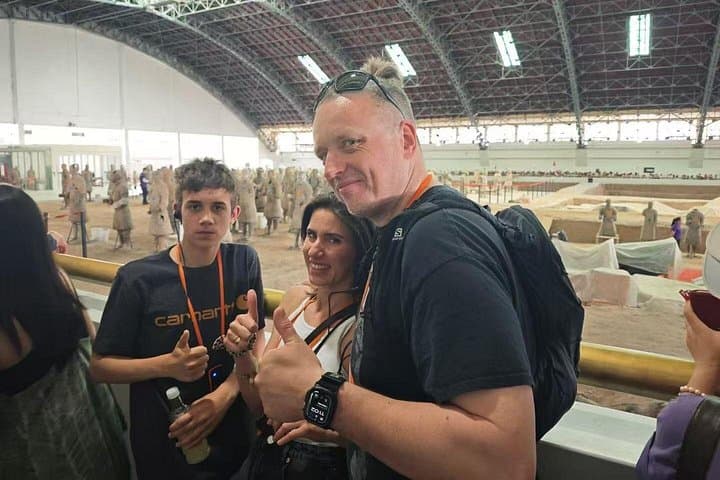
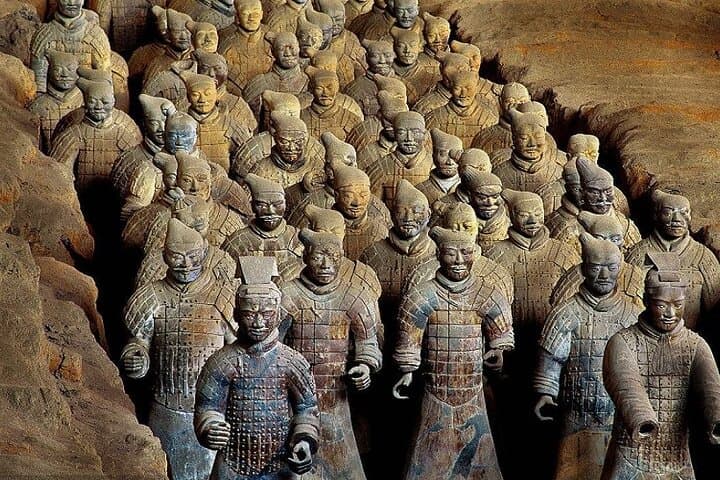
You step out of a quiet hotel lobby before dawn and the city is still loosening its grip; the driver’s van hums down broad avenues toward the fields where the Terracotta Army sleeps under corrugated roofs. By mid-morning the museum’s pits open like chapters: rows of life-sized soldiers, each face a small rebellion against uniformity, stand in formation as if waiting for orders never given.
You step out of a quiet hotel lobby before dawn and the city is still loosening its grip; the driver’s van hums down broad avenues toward the fields where the Terracotta Army sleeps under corrugated roofs. By mid-morning the museum’s pits open like chapters: rows of life-sized soldiers, each face a small rebellion against uniformity, stand in formation as if waiting for orders never given.
Xi’an sits on the fertile Guanzhong plain; its long occupation as the eastern terminus of the Silk Road made it a meeting point of cultures, technologies and religious exchange. The Terracotta Warriors date to Qin Shi Huang (3rd century BCE), when imperial ambition reconfigured landscape and labor; nearby, the Ming-era city wall and the Giant Wild Goose Pagoda tell later chapters — medieval defense, Buddhist scholarship and Tang dynasty cosmopolitanism.
Afternoon choices let you trade archaeology for urban texture: cycle a length of the 13.7 km city wall, browse the spice-and-street-food lanes of the Muslim Quarter, or soak in Huaqing Hot Springs that have drawn visitors for millennia. Practical notes: expect 6–8 hours on a private vehicle itinerary, moderate walking on uneven surfaces, and short queues if you arrive early. Bring water, a sun layer, and shoes with good traction. Ask your guide in advance which sites fit the afternoon window — two smaller attractions or one larger site usually works best. Timing your visit around early entry to the museum, and leaving the city wall for later light, keeps the day flowing. This is a cultural day of discovery rather than a strenuous trek — the rewards are in the details: pottery clay, old bricks, and stories carved into stone.