THE ADVENTURE COLLECTIVE® · Independent discovery and booking for outdoor travel

Spend a full day exploring two of Xi'an’s headline sites: the vast Terracotta Army excavation and the Tang-era Big Wild Goose Pagoda. This private day tour pairs museum-grade archaeology with living-city culture and practical tips for an efficient visit.
Spend a full day exploring two of Xi'an’s headline sites: the vast Terracotta Army excavation and the Tang-era Big Wild Goose Pagoda. This private day tour pairs museum-grade archaeology with living-city culture and practical tips for an efficient visit.
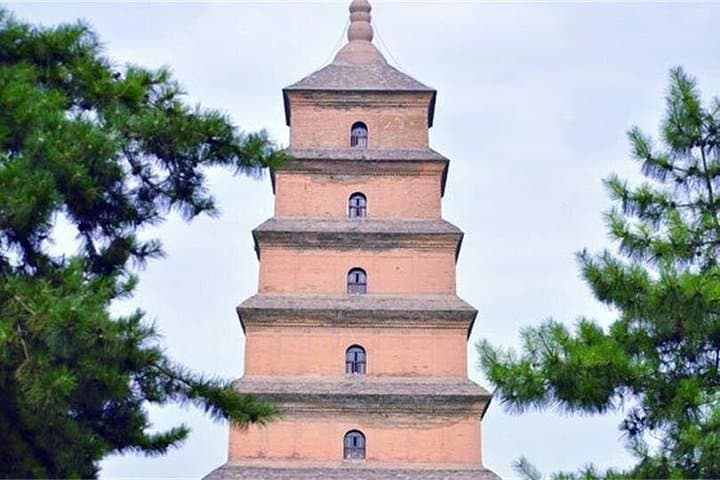
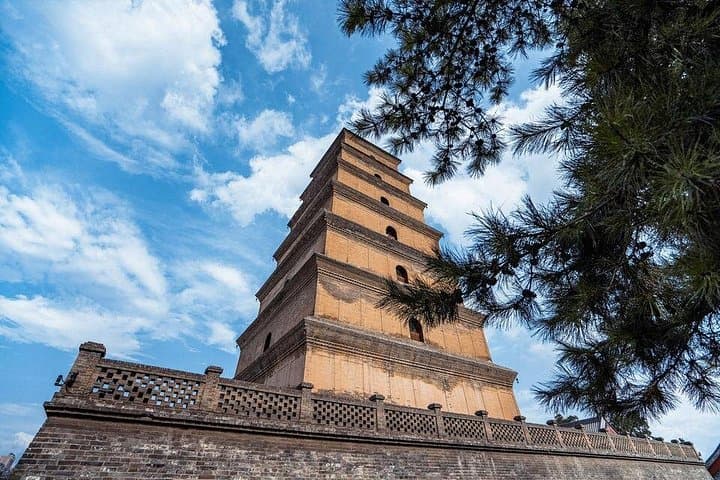
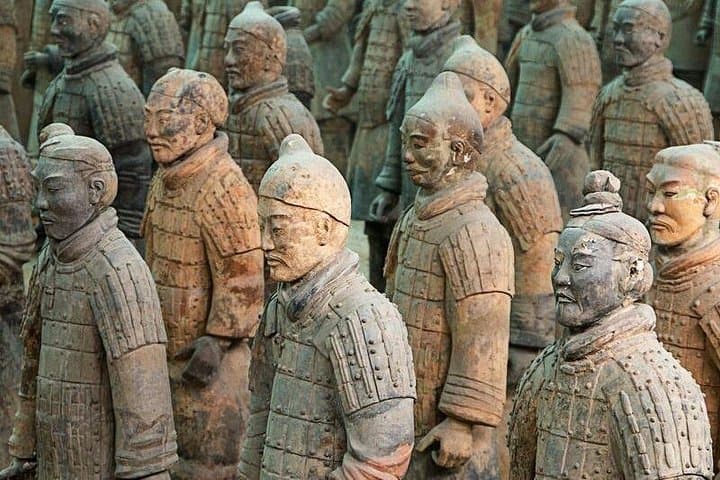
You step out of the car and the loess plain opens: a broad, wind-cut landscape leading to rows of pits where silent clay soldiers stand guard. The morning light picks out faces in the formation as your guide traces emperors and artisans into being; later, in the city, the squat silhouette of the Tang-era Big Wild Goose Pagoda rises above a bustling square where fountains and local life collide.
Verified experiences and guided adventures in the surrounding area.
Operated by Lily's Private Tours · Xi'an, Shaanxi
You step out of the car and the loess plain opens: a broad, wind-cut landscape leading to rows of pits where silent clay soldiers stand guard. The morning light picks out faces in the formation as your guide traces emperors and artisans into being; later, in the city, the squat silhouette of the Tang-era Big Wild Goose Pagoda rises above a bustling square where fountains and local life collide.
The Terracotta Army dates to the late 3rd century BCE, created for Qin Shi Huang to accompany him in the afterlife; the workshop archaeology and the earthen ridges around the mausoleum reveal both imperial ambition and ancient manufacturing scale. The pagoda, built in the 7th century during the Tang Dynasty, served as a repository for Buddhist sutras brought from India and stands as an example of Tang brick-built masonry.
Culturally, the day contrasts frontier archaeology with urban religious practice: workers’ pits and restoration yards give way to temple courtyards and stone stairways. Geologically, the site sits on compacted loess which preserved the figures; in Xi'an the city grid sits atop older dynastic layers.
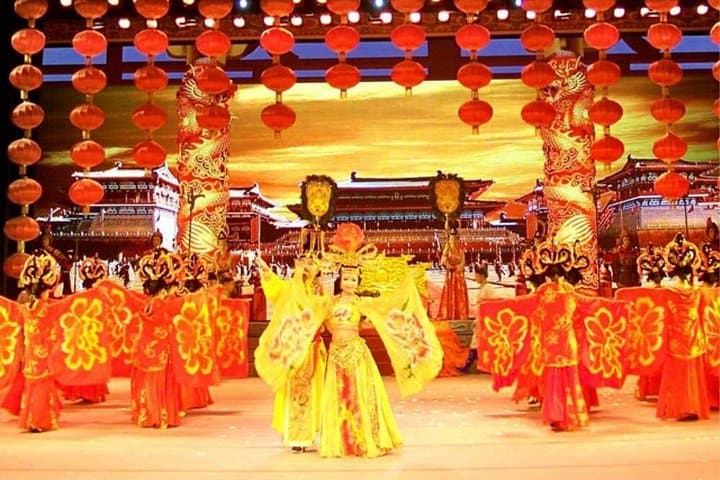
Practical guidance: this is an 8–9 hour private tour with about 3–4 km of walking across uneven surfaces and stair climbs at the pagoda. Bring a passport copy for admission, closed-toe walking shoes, sun protection, and enough water for a long day. Expect security screening at both sites and limited touching near artifacts. Time your visit for morning at the pits to avoid peak coach arrivals and leave the Tang dinner show as an optional evening add-on if you want a cultural finale.
moderate.
8–9 hours.
Comfortable walking ability for several hours, ability to climb multiple flights of stairs and stand for guided explanations.
The private day tour runs about 8–9 hours and includes private vehicle transport, entrance fees to the Terracotta Army and Big Wild Goose Pagoda, a personal guide, and lunch.
The optional Tang Dynasty dinner show is usually an extra evening activity and not included in the standard daytime tour—confirm at booking if you want it added.
Both sites have areas accessible to strollers, but uneven paths and staircases at the pagoda may be challenging; inform the operator about mobility needs when booking.
Photography is generally allowed in outdoor areas, but there are restrictions in certain indoor exhibition rooms—follow signage and guide instructions to avoid prohibited zones.
The Terracotta Army was commissioned by Qin Shi Huang in the late 3rd century BCE as part of his mausoleum; the Big Wild Goose Pagoda was built in 652 CE during the Tang Dynasty to house Buddhist sutras brought from India.
Both sites are actively managed to protect fragile artifacts—stay on marked paths, avoid touching exhibits, and support conservation by using licensed guides and paid entrances.
Lily's Private Tours operates guided outdoor trips and adventures with an emphasis on safety, stewardship, and memorable experiences.
You step out of the car and the loess plain opens: a broad, wind-cut landscape leading to rows of pits where silent clay soldiers stand guard. The morning light picks out faces in the formation as your guide traces emperors and artisans into being; later, in the city, the squat silhouette of the Tang-era Big Wild Goose Pagoda rises above a bustling square where fountains and local life collide.
You step out of the car and the loess plain opens: a broad, wind-cut landscape leading to rows of pits where silent clay soldiers stand guard. The morning light picks out faces in the formation as your guide traces emperors and artisans into being; later, in the city, the squat silhouette of the Tang-era Big Wild Goose Pagoda rises above a bustling square where fountains and local life collide.
The Terracotta Army dates to the late 3rd century BCE, created for Qin Shi Huang to accompany him in the afterlife; the workshop archaeology and the earthen ridges around the mausoleum reveal both imperial ambition and ancient manufacturing scale. The pagoda, built in the 7th century during the Tang Dynasty, served as a repository for Buddhist sutras brought from India and stands as an example of Tang brick-built masonry.
Culturally, the day contrasts frontier archaeology with urban religious practice: workers’ pits and restoration yards give way to temple courtyards and stone stairways. Geologically, the site sits on compacted loess which preserved the figures; in Xi'an the city grid sits atop older dynastic layers.
Practical guidance: this is an 8–9 hour private tour with about 3–4 km of walking across uneven surfaces and stair climbs at the pagoda. Bring a passport copy for admission, closed-toe walking shoes, sun protection, and enough water for a long day. Expect security screening at both sites and limited touching near artifacts. Time your visit for morning at the pits to avoid peak coach arrivals and leave the Tang dinner show as an optional evening add-on if you want a cultural finale.