THE ADVENTURE COLLECTIVE® · Independent discovery and booking for outdoor travel

Spend a day blending living martial tradition with one of archaeology's great discoveries. This private tour pairs a hands-on Hong Quan lesson with guided time among the Terracotta Warriors—perfect for travelers who want context, movement, and close-up history.
Spend a day blending living martial tradition with one of archaeology's great discoveries. This private tour pairs a hands-on Hong Quan lesson with guided time among the Terracotta Warriors—perfect for travelers who want context, movement, and close-up history.
You step off the van into a wind that moves through the loess plain like a page turning. Stone tiles underfoot lead from a low village gate toward a courtyard where a kung fu master waits, slow and exact, motion carving space. Later that same day the ground opens into a museum hall where rows of earthen soldiers sit frozen in mid-march, faces turned toward the horizon they once guarded.
Verified experiences and guided adventures in the surrounding area.
Operated by Xi'an China travel service · Xi'an, Shaanxi
You step off the van into a wind that moves through the loess plain like a page turning. Stone tiles underfoot lead from a low village gate toward a courtyard where a kung fu master waits, slow and exact, motion carving space. Later that same day the ground opens into a museum hall where rows of earthen soldiers sit frozen in mid-march, faces turned toward the horizon they once guarded.
Shaanxi province is both cradle and stage for this itinerary: the Terra-cotta Army dates to the late 3rd century BCE, an archaeological reveal from a farmer's well in 1974 that rewrote Chinese imperial funerary practice. Hong Quan, a local martial lineage, carries regional movement traditions—rooted in northern footwork and breathing practices—passed down through masters like Kevin, who teaches in a simple training yard away from the city.
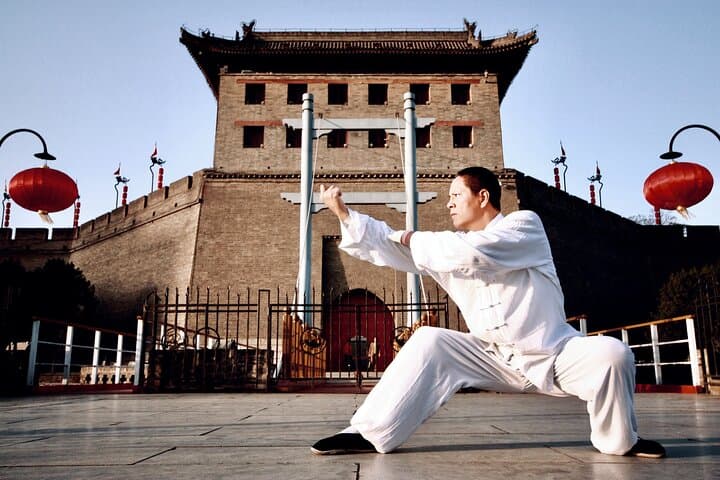
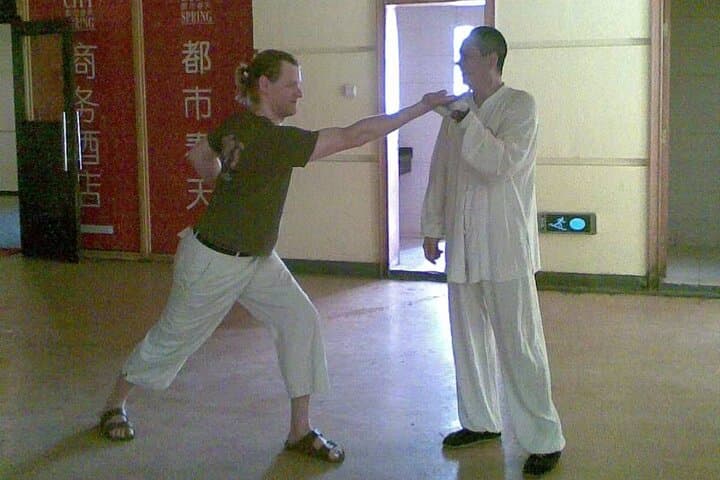
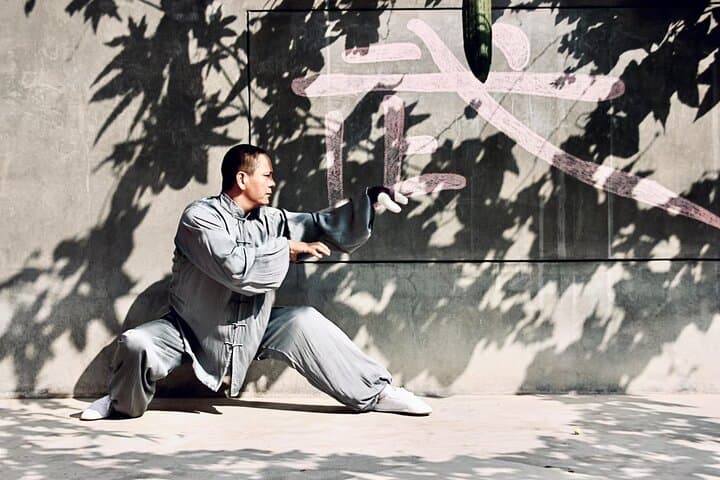
Expect two distinct rhythms: a tactile, hands-on kung fu session where balance, stance, and slow repetition form the lesson; and museum time moving among vitrines and excavation pits that expose clay horses, chariots, and sculpted ranks.
Practical notes: the full-day private tour runs about 8–10 hours with private transport and entrance included. Wear sturdy walking shoes; the museum involves standing and gentle slopes, the lesson involves light physical activity. Bring your passport for tickets, a refillable water bottle, sun protection, and layers for changing temperatures. Photography is allowed in most outdoor areas but be discreet during the kung fu lesson. The pace is measured—built to let history and practice register, not to rush through either one.
easy.
8–10 hours.
Suitable for travelers with average fitness—able to stand and walk for several hours and participate in light martial arts movements.
The private tour lasts about 8–10 hours and includes private transport, English-speaking guide, Terra-cotta Warriors entrance tickets, and a kung fu lesson with the local master.
Yes—sessions are tailored for all levels and focus on basic Hong Quan and Tai Chi movements rather than advanced sparring.
The tour notes wheelchair accessibility for transportation and main surfaces, though some excavation areas have ramps with limited access—check with the operator for specific needs.
There are food options near the museum and in Xi’an, but bringing a light snack is practical if you have dietary restrictions or want to maximize time at each stop.
The Terracotta Army was uncovered in 1974 when farmers digging a well found fragments that led to one of the 20th century’s major archaeological discoveries; Hong Quan is a regional martial lineage originating in northern Shaanxi.
The museum maintains strict preservation controls—humidity and visitor flow are managed to protect the clay figures; visitors should avoid touching exhibits and follow marked paths.
Xi'an China travel service operates guided outdoor trips and adventures with an emphasis on safety, stewardship, and memorable experiences.
You step off the van into a wind that moves through the loess plain like a page turning. Stone tiles underfoot lead from a low village gate toward a courtyard where a kung fu master waits, slow and exact, motion carving space. Later that same day the ground opens into a museum hall where rows of earthen soldiers sit frozen in mid-march, faces turned toward the horizon they once guarded.
You step off the van into a wind that moves through the loess plain like a page turning. Stone tiles underfoot lead from a low village gate toward a courtyard where a kung fu master waits, slow and exact, motion carving space. Later that same day the ground opens into a museum hall where rows of earthen soldiers sit frozen in mid-march, faces turned toward the horizon they once guarded.
Shaanxi province is both cradle and stage for this itinerary: the Terra-cotta Army dates to the late 3rd century BCE, an archaeological reveal from a farmer's well in 1974 that rewrote Chinese imperial funerary practice. Hong Quan, a local martial lineage, carries regional movement traditions—rooted in northern footwork and breathing practices—passed down through masters like Kevin, who teaches in a simple training yard away from the city.
Expect two distinct rhythms: a tactile, hands-on kung fu session where balance, stance, and slow repetition form the lesson; and museum time moving among vitrines and excavation pits that expose clay horses, chariots, and sculpted ranks.
Practical notes: the full-day private tour runs about 8–10 hours with private transport and entrance included. Wear sturdy walking shoes; the museum involves standing and gentle slopes, the lesson involves light physical activity. Bring your passport for tickets, a refillable water bottle, sun protection, and layers for changing temperatures. Photography is allowed in most outdoor areas but be discreet during the kung fu lesson. The pace is measured—built to let history and practice register, not to rush through either one.