THE ADVENTURE COLLECTIVE® · Independent discovery and booking for outdoor travel

Spend two active days in Shaanxi: stand before the Terracotta Warriors, walk atop Xi’an’s ancient City Wall, and ride a cable car onto Huashan’s dramatic ridgelines. This private itinerary combines history, steep granite trails, and local food stops.
Spend two active days in Shaanxi: stand before the Terracotta Warriors, walk atop Xi’an’s ancient City Wall, and ride a cable car onto Huashan’s dramatic ridgelines. This private itinerary combines history, steep granite trails, and local food stops.
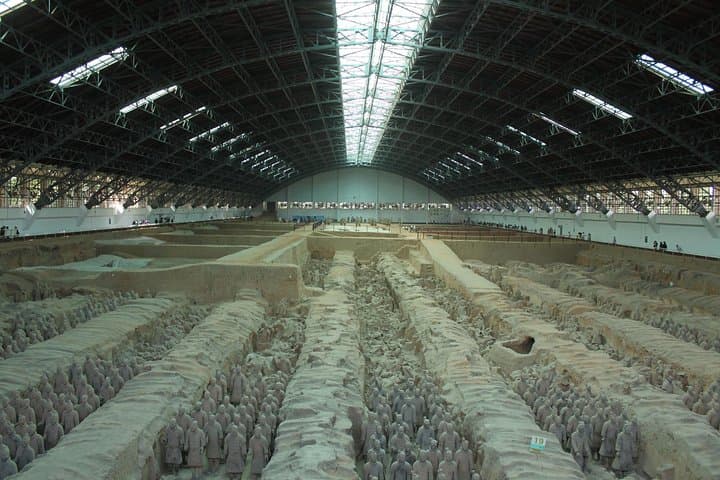
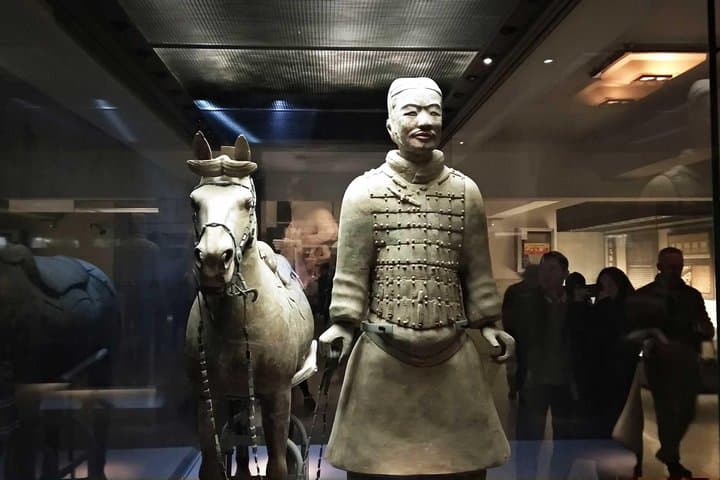
Morning light lifts off the tiled roofs of Xi’an and the car hums toward a site that folds history into the earth. At the Terracotta Warriors the guide steps aside and the rows of clay soldiers take over the story—faces angled as if still scanning a battlefield. Later, cycling bicycles and vendors bustle beneath the City Wall; the city’s later dynasties rest above the street-level commerce.
Verified experiences and guided adventures in the surrounding area.
Operated by China Theme Tour · Xi'an, Shaanxi
Morning light lifts off the tiled roofs of Xi’an and the car hums toward a site that folds history into the earth. At the Terracotta Warriors the guide steps aside and the rows of clay soldiers take over the story—faces angled as if still scanning a battlefield. Later, cycling bicycles and vendors bustle beneath the City Wall; the city’s later dynasties rest above the street-level commerce.
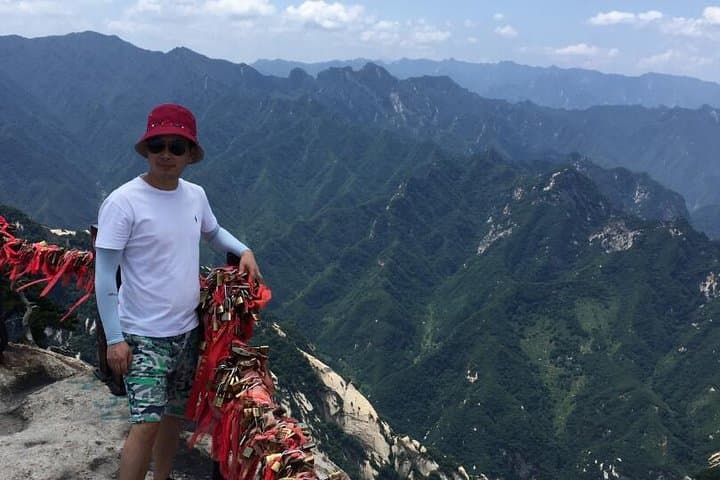
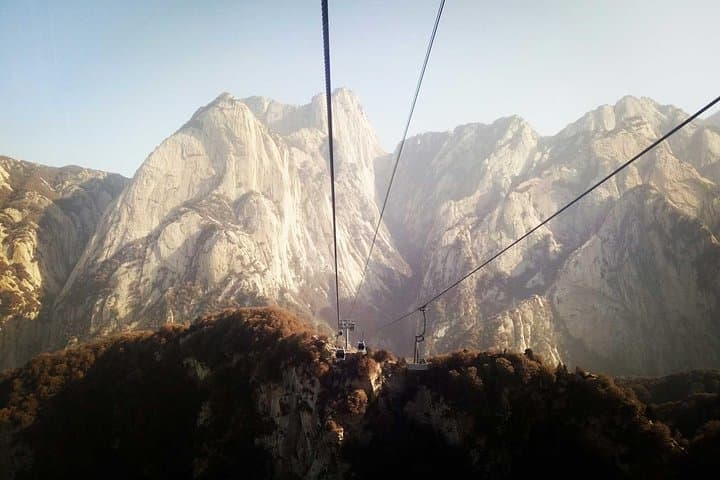
Xi’an served as the capital for multiple imperial dynasties; the Terracotta Army was buried with Qin Shi Huang in the 3rd century BCE to accompany him in the afterlife. Geologically, Huashan’s granite blades rise sharply from the Guanzhong Plain; the mountain’s steep, narrow ridgelines result from uplift and long erosion that left hard rock exposed as precipitous cliffs. Culturally, Huashan is threaded with Taoist temples and inscriptions; pilgrims and pilgrims-turned-hikers share the same narrow steps as modern visitors.
On day two the group moves by private vehicle to Huashan, takes the cable car to North Peak, and follows stone stairways between peaks, passing Gold Lock Pass and temple niches. Expect steep stair sections, brief exposed traverses, and plenty of photo stops. Keep a steady pace, wear grippy shoes, and plan for variable weather—mountain summits can be 6–10°C cooler than the city.
Practical: hotel pickup, entrance fees and round-trip cable car are included; bring cash for market snacks and a charged phone for photos. Aim to start early to avoid midday crowds at the Terracotta pits and late-afternoon haze on Huashan.
moderate.
2 days (approx. 8–10 hours per day).
Moderate fitness: able to walk uneven stone steps, manage short steep climbs, and stand for museum viewing.
Yes — round-way cable car tickets for the North Peak are included as stated in the itinerary.
Visiting the museum involves mostly flat, indoor walking over a few hours with some standing; seats and rest areas are available.
Yes — the tour includes an English-speaking private guide for both days.
Lunch is included on both days; other meals and snacks are the traveler’s responsibility.
Xi’an was China’s imperial heart for millennia; the Terracotta Army is part of Qin Shi Huang’s massive funerary complex and Huashan has been a Taoist sacred mountain for centuries.
Both sites limit off-trail access and rely on visitor fees; stay on designated paths, avoid littering and support local preservation by following guide instructions.
China Theme Tour operates guided outdoor trips and adventures with an emphasis on safety, stewardship, and memorable experiences.
Morning light lifts off the tiled roofs of Xi’an and the car hums toward a site that folds history into the earth. At the Terracotta Warriors the guide steps aside and the rows of clay soldiers take over the story—faces angled as if still scanning a battlefield. Later, cycling bicycles and vendors bustle beneath the City Wall; the city’s later dynasties rest above the street-level commerce.
Morning light lifts off the tiled roofs of Xi’an and the car hums toward a site that folds history into the earth. At the Terracotta Warriors the guide steps aside and the rows of clay soldiers take over the story—faces angled as if still scanning a battlefield. Later, cycling bicycles and vendors bustle beneath the City Wall; the city’s later dynasties rest above the street-level commerce.
Xi’an served as the capital for multiple imperial dynasties; the Terracotta Army was buried with Qin Shi Huang in the 3rd century BCE to accompany him in the afterlife. Geologically, Huashan’s granite blades rise sharply from the Guanzhong Plain; the mountain’s steep, narrow ridgelines result from uplift and long erosion that left hard rock exposed as precipitous cliffs. Culturally, Huashan is threaded with Taoist temples and inscriptions; pilgrims and pilgrims-turned-hikers share the same narrow steps as modern visitors.
On day two the group moves by private vehicle to Huashan, takes the cable car to North Peak, and follows stone stairways between peaks, passing Gold Lock Pass and temple niches. Expect steep stair sections, brief exposed traverses, and plenty of photo stops. Keep a steady pace, wear grippy shoes, and plan for variable weather—mountain summits can be 6–10°C cooler than the city.
Practical: hotel pickup, entrance fees and round-trip cable car are included; bring cash for market snacks and a charged phone for photos. Aim to start early to avoid midday crowds at the Terracotta pits and late-afternoon haze on Huashan.