THE ADVENTURE COLLECTIVE® · Independent discovery and booking for outdoor travel

A full-day private tour that moves from temple courtyards to Qing-dynasty fortifications and a car-free island of colonial villas. Expect steady walking, a short ferry, and rich local history paired with seafood lunch options.
A full-day private tour that moves from temple courtyards to Qing-dynasty fortifications and a car-free island of colonial villas. Expect steady walking, a short ferry, and rich local history paired with seafood lunch options.
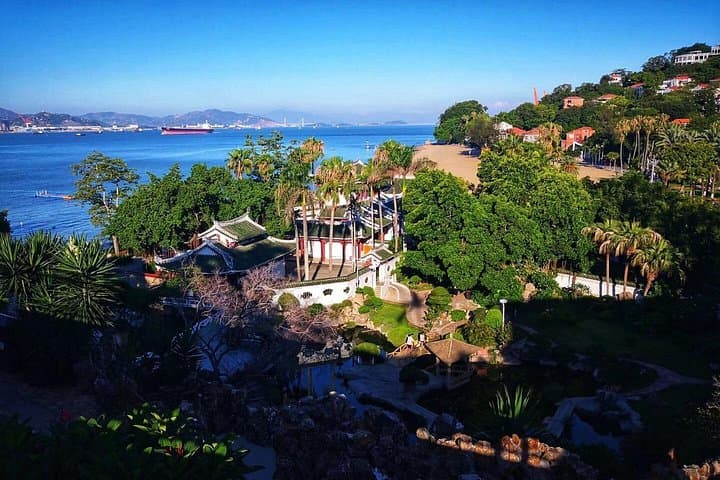
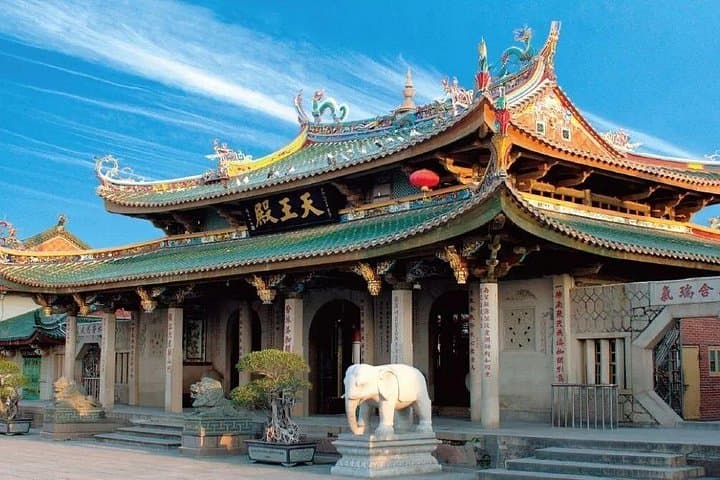
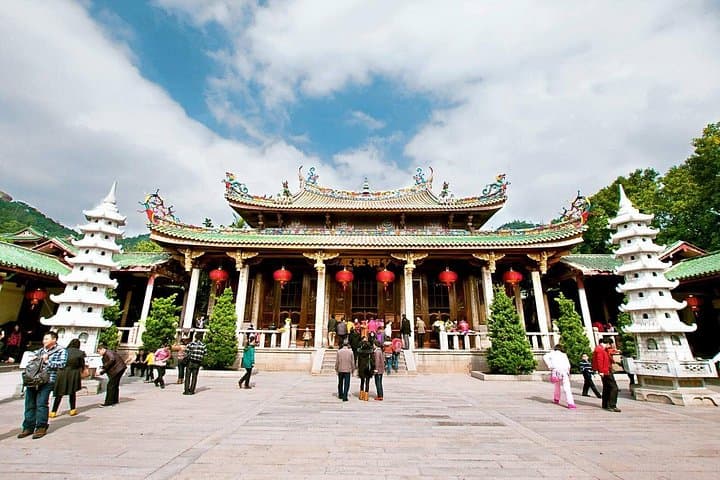
You step out of an air-conditioned car into the humid Guangdong air and hear gulls arguing over the harbor. Narrow streets near Nanputuo Temple lead uphill between carved stone railings; incense curls like a slow river, drawing you toward orange-robed figures and intricate woodwork. The day moves from quiet courtyards to cannon-lined ramparts and then across a short ferry crossing to Gulangyu’s car-free lanes.
Verified experiences and guided adventures in the surrounding area.
Operated by Elephant Tour · Xiamen, Fujian
You step out of an air-conditioned car into the humid Guangdong air and hear gulls arguing over the harbor. Narrow streets near Nanputuo Temple lead uphill between carved stone railings; incense curls like a slow river, drawing you toward orange-robed figures and intricate woodwork. The day moves from quiet courtyards to cannon-lined ramparts and then across a short ferry crossing to Gulangyu’s car-free lanes.
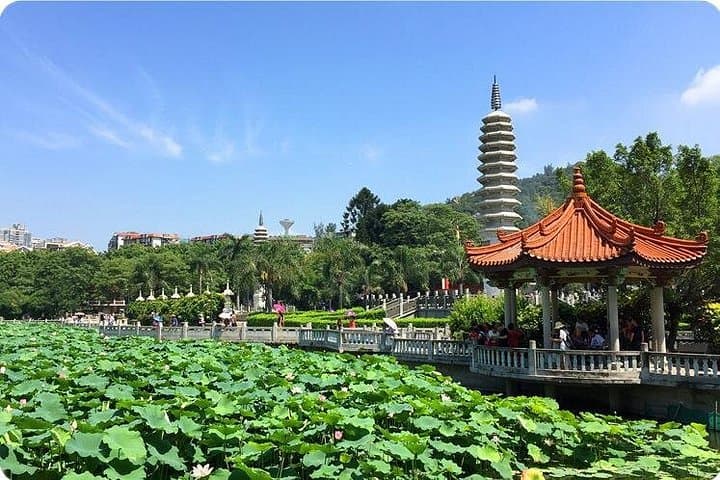
Nanputuo is centuries of Buddhist practice compressed into carved eaves and hill-top pagodas; the nearby university buildings reflect Republican-era masonry and the city’s modern education legacy. Huli Mountain Fort reads differently — 19th-century coastal defense, gun emplacements looking out over channels that once mattered to trade and conflict. Gulangyu Island shows a colonial palimpsest: Victorian villas, seaside gardens and the Piano Museum that marks the city’s love of music.
Geology here is coastal granite, shaped by tidal currents that still prod the shoreline; the ferry ride is brief but exposes how sea and city have always traded influence. Locals move between tea stalls, seafood vendors and museums; a quick lunch of local seafood and peanut soup grounds the cultural visit.
Practical guidance: expect about nine hours with moderate walking on paved paths, steps and uneven fort surfaces. Wear comfortable walking shoes, bring sun protection and a refillable water bottle, and plan the ferry crossing mid-day to avoid early-morning fog or late-afternoon crowds. Passport or ID is helpful for ticketing; carry some cash for small vendors. The rhythm of the day alternates calm temple quiet, fort winds and seaside promenades — bring patience and curiosity and the route rewards with history, good views, and local food.
easy.
9 hours.
Light to moderate fitness; able to walk several miles total with some stair climbing
Yes—this private tour includes admission fees mentioned in the itinerary and the standard ferry crossing to Gulangyu as listed in the inclusions.
The itinerary is rated easy and suitable for most fitness levels, though the fort and temple include stairs that may be challenging for limited-mobility guests.
Some small vendors on Gulangyu accept only cash; bring a modest amount of local currency in addition to cards.
Private guides typically offer Mandarin and often English; check language availability when booking and request a guide that fits your needs.
Nanputuo dates back to the Tang and Song lineages of Buddhist practice while Huli Mountain Fort reflects 19th-century coastal defense during the Opium War and later conflicts.
Gulangyu limits vehicles to protect historic buildings and reduce pollution; visitors are asked to stay on paths and avoid littering to preserve fragile coastal gardens.
Elephant Tour operates guided outdoor trips and adventures with an emphasis on safety, stewardship, and memorable experiences.
You step out of an air-conditioned car into the humid Guangdong air and hear gulls arguing over the harbor. Narrow streets near Nanputuo Temple lead uphill between carved stone railings; incense curls like a slow river, drawing you toward orange-robed figures and intricate woodwork. The day moves from quiet courtyards to cannon-lined ramparts and then across a short ferry crossing to Gulangyu’s car-free lanes.
You step out of an air-conditioned car into the humid Guangdong air and hear gulls arguing over the harbor. Narrow streets near Nanputuo Temple lead uphill between carved stone railings; incense curls like a slow river, drawing you toward orange-robed figures and intricate woodwork. The day moves from quiet courtyards to cannon-lined ramparts and then across a short ferry crossing to Gulangyu’s car-free lanes.
Nanputuo is centuries of Buddhist practice compressed into carved eaves and hill-top pagodas; the nearby university buildings reflect Republican-era masonry and the city’s modern education legacy. Huli Mountain Fort reads differently — 19th-century coastal defense, gun emplacements looking out over channels that once mattered to trade and conflict. Gulangyu Island shows a colonial palimpsest: Victorian villas, seaside gardens and the Piano Museum that marks the city’s love of music.
Geology here is coastal granite, shaped by tidal currents that still prod the shoreline; the ferry ride is brief but exposes how sea and city have always traded influence. Locals move between tea stalls, seafood vendors and museums; a quick lunch of local seafood and peanut soup grounds the cultural visit.
Practical guidance: expect about nine hours with moderate walking on paved paths, steps and uneven fort surfaces. Wear comfortable walking shoes, bring sun protection and a refillable water bottle, and plan the ferry crossing mid-day to avoid early-morning fog or late-afternoon crowds. Passport or ID is helpful for ticketing; carry some cash for small vendors. The rhythm of the day alternates calm temple quiet, fort winds and seaside promenades — bring patience and curiosity and the route rewards with history, good views, and local food.