THE ADVENTURE COLLECTIVE® · Independent discovery and booking for outdoor travel

Make Xi’an a one-day cultural sprint: sunrise pickup in Shanghai, a short flight, three hours among the Terracotta Warriors, then a stroll — or cycle — atop the 600-year-old city wall. Practical, efficient, and historically dense.
Make Xi’an a one-day cultural sprint: sunrise pickup in Shanghai, a short flight, three hours among the Terracotta Warriors, then a stroll — or cycle — atop the 600-year-old city wall. Practical, efficient, and historically dense.
You step out of a morning haze onto a quiet tarmac and the city you slept in still feels hours away—then two hours later Xi’an unfolds beneath the plane like a page of history.
Verified experiences and guided adventures in the surrounding area.
Operated by Amazing Shanghai Trip · Xi'an, Shaanxi
You step out of a morning haze onto a quiet tarmac and the city you slept in still feels hours away—then two hours later Xi’an unfolds beneath the plane like a page of history.
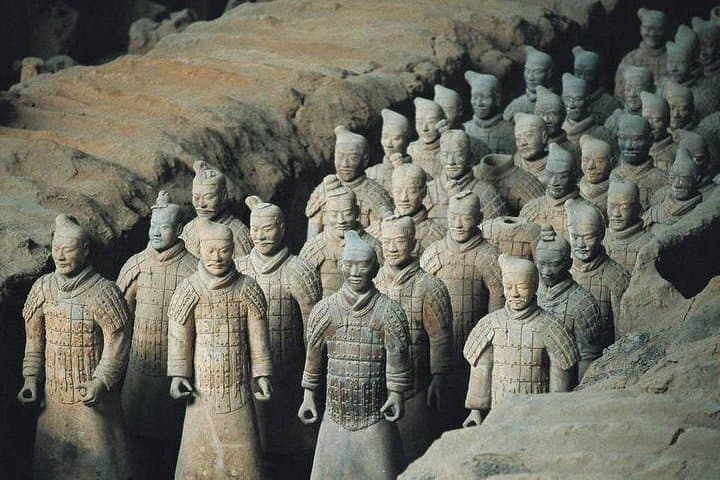
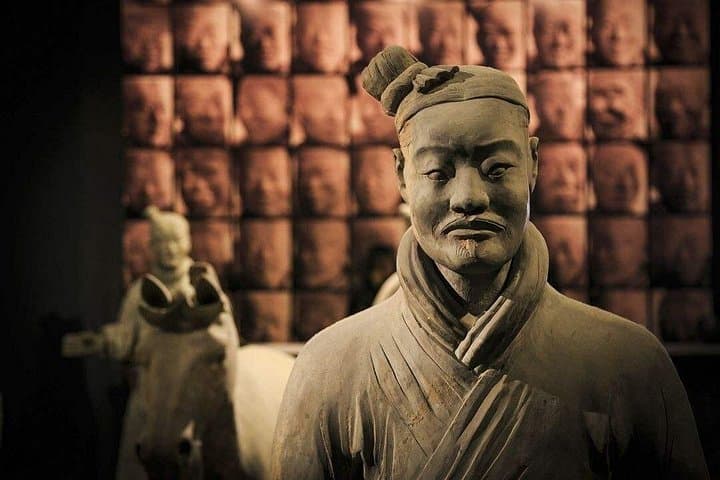
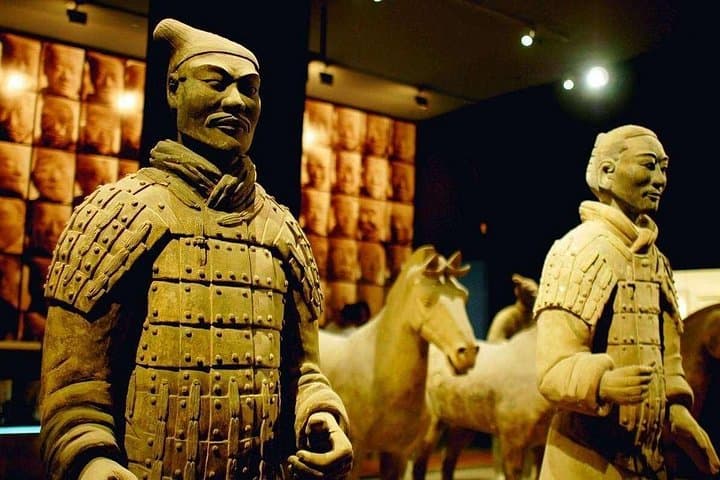
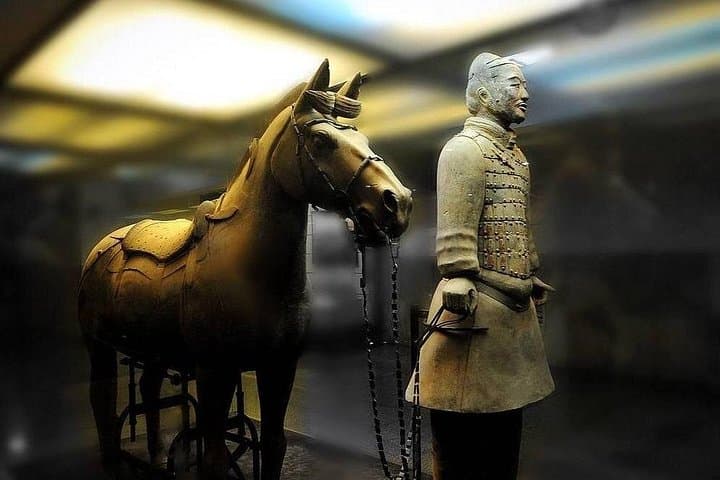
The trip centers on two clear chapters: the awe of the Terracotta Warriors and the steady sweep of Xi’an’s ancient city wall. The warriors, buried with Qin Shi Huang in the late 3rd century BCE, present rows of life-size figures, chariots and horses carved for an emperor’s afterlife; the mausoleum sits on loess terraces that gave builders stable, workable earth for monumental graves. The city wall, rebuilt and maintained through Ming-era engineering, offers a broad, raised promenade where you can read the city’s military logic in brick and rampart while the surrounding modern grid hums below.
Culture here is tangible: Shaanxi flavors at lunch will be boldly savory—hand-pulled noodles and local breads—and the city’s role as a Silk Road hub is visible in its mix of architecture and street life. Small museums and onsite interpretive displays frame the archaeology with museum-grade conservation practices.
Practical notes: expect a very early hotel pickup, a roughly 2-hour flight each way, ~3 hours at the Terracotta site and ~30–60 minutes on the city wall. Wear comfortable walking shoes for uneven surfaces, carry a compact daypack with water and ID, and factor in airport security time. The schedule is tight but efficient: bring a camera, patience for crowds, and a readiness to exchange city noise for ancient stone and wide sky.
easy.
10–11 hours.
Suitable for most fitness levels; involves moderate walking and standing with some short steps or ramps.
Scheduled flight time is about 2 hours; factor in airport check-in and transfer times at both ends.
The museum and visitor center have accessible facilities and paths, though some outdoor areas include gravel or steps—check in advance for assistance options.
Yes—the standard private itinerary allocates roughly three hours at the Terracotta Warriors and 30–60 minutes on the city wall, with transfers and flights making for a full 10–11 hour day.
Children can join, but long transfer and museum time make it better suited to school-age kids who tolerate extended outings; confirm any child fare or seating policies when booking.
Xi’an was the start of the Silk Road and the political center for several early Chinese dynasties; the Terracotta Army guards the mausoleum of Qin Shi Huang, China’s first emperor.
The site blends active conservation with visitor management—follow signage, avoid touching artifacts, and use marked paths to protect exposed archaeology.
Amazing Shanghai Trip operates guided outdoor trips and adventures with an emphasis on safety, stewardship, and memorable experiences.
You step out of a morning haze onto a quiet tarmac and the city you slept in still feels hours away—then two hours later Xi’an unfolds beneath the plane like a page of history.
You step out of a morning haze onto a quiet tarmac and the city you slept in still feels hours away—then two hours later Xi’an unfolds beneath the plane like a page of history.
The trip centers on two clear chapters: the awe of the Terracotta Warriors and the steady sweep of Xi’an’s ancient city wall. The warriors, buried with Qin Shi Huang in the late 3rd century BCE, present rows of life-size figures, chariots and horses carved for an emperor’s afterlife; the mausoleum sits on loess terraces that gave builders stable, workable earth for monumental graves. The city wall, rebuilt and maintained through Ming-era engineering, offers a broad, raised promenade where you can read the city’s military logic in brick and rampart while the surrounding modern grid hums below.
Culture here is tangible: Shaanxi flavors at lunch will be boldly savory—hand-pulled noodles and local breads—and the city’s role as a Silk Road hub is visible in its mix of architecture and street life. Small museums and onsite interpretive displays frame the archaeology with museum-grade conservation practices.
Practical notes: expect a very early hotel pickup, a roughly 2-hour flight each way, ~3 hours at the Terracotta site and ~30–60 minutes on the city wall. Wear comfortable walking shoes for uneven surfaces, carry a compact daypack with water and ID, and factor in airport security time. The schedule is tight but efficient: bring a camera, patience for crowds, and a readiness to exchange city noise for ancient stone and wide sky.