THE ADVENTURE COLLECTIVE® · Independent discovery and booking for outdoor travel

See Xi'an's Terracotta Army, ride the Ming City Wall and taste the Muslim Quarter on a private 2-day round-trip from Beijing. Day two brings the steep ridgelines and Taoist temples of Mount Huashan with cable-car access.
See Xi'an's Terracotta Army, ride the Ming City Wall and taste the Muslim Quarter on a private 2-day round-trip from Beijing. Day two brings the steep ridgelines and Taoist temples of Mount Huashan with cable-car access.
You step off the early morning flight into Xi'an with a guide waiting at arrivals; the air carries the quiet of a city that has worn empires and trade routes. The first day unfolds through the Terracotta Warriors' hushed pits, where life-sized figures stare into centuries, then onto the broad parapets of the Ming City Wall and the bustling lanes of the Muslim Quarter, fragrant with cumin and folded dough.
Verified experiences and guided adventures in the surrounding area.
Operated by Urban Passer · Xi'an, Shaanxi
You step off the early morning flight into Xi'an with a guide waiting at arrivals; the air carries the quiet of a city that has worn empires and trade routes. The first day unfolds through the Terracotta Warriors' hushed pits, where life-sized figures stare into centuries, then onto the broad parapets of the Ming City Wall and the bustling lanes of the Muslim Quarter, fragrant with cumin and folded dough.
Xi'an's story is both imperial and geological: the city rose as Chang'an, the eastern terminus of the Silk Road, and the loess plains to the north shaped settlements and fortress construction. The Terracotta Army dates to Qin Shihuang (221–206 BCE), a funerary complex engineered to protect an emperor's afterlife. Mount Huashan, reached on day two, forces a different perspective — sheer granite ridges, Taoist temples clinging to narrow spine-like ridgelines and cable cars that shortcut exposed stairways.
Expect a blend of cultural touring and managed alpine exposure: museum walkthroughs, roughly 3–4 hours on-site at the pits, a gentle ride on the City Wall, evening street-food tasting, then a full-day excursion to Huashan with cable-car access to the main peaks. Wear grippy footwear for steep stone steps, carry water, and allow time for security and ticketing at major sites. Logistics are largely handled — round-trip flights, a night in a 5-star Xi'an hotel, private transport and an English-speaking guide — but bring patience for crowds and flexibility in timing.
moderate.
2 days.
Suitable for travelers who can walk several hours and manage uneven stairs; minimal hiking endurance required if using cable cars.
Yes — round-trip flights between Beijing and Xi'an, and one night in a 5-star Xi'an hotel with breakfast are included.
No — the tour includes entrance and round-trip cable car access; optional hiking on exposed trails is possible for those who want it.
Expect about 2–3 hours walking on flat and graded surfaces with some standing; the museum has paved paths and viewing platforms.
Yes — full passport details (name, number, nationality, expiry) are needed at booking for flights and hotel reservations.
Xi'an (ancient Chang'an) was the eastern terminus of the Silk Road and the capital for several dynasties; the Terracotta Army dates to Emperor Qin Shihuang (3rd century BCE).
Both the museum and mountain see heavy visitation; stick to marked paths, avoid touching artifacts and use provided waste bins to reduce visitor impact.
Urban Passer operates guided outdoor trips and adventures with an emphasis on safety, stewardship, and memorable experiences.
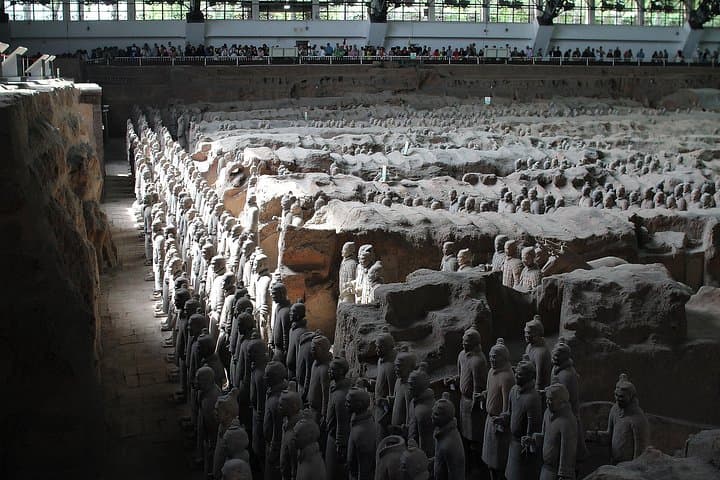
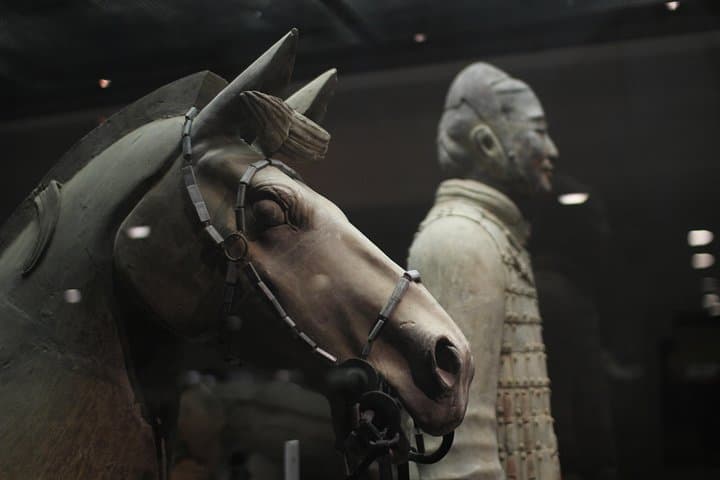
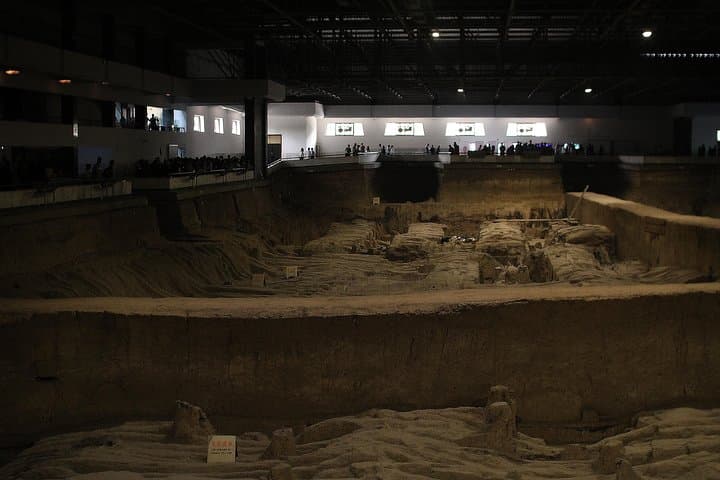
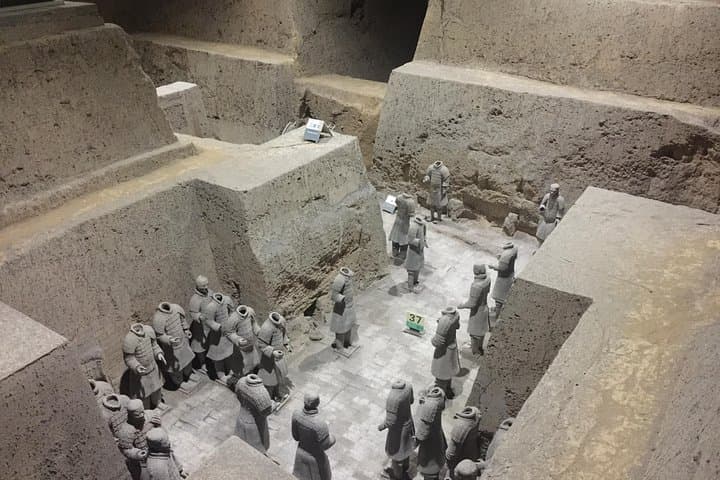
You step off the early morning flight into Xi'an with a guide waiting at arrivals; the air carries the quiet of a city that has worn empires and trade routes. The first day unfolds through the Terracotta Warriors' hushed pits, where life-sized figures stare into centuries, then onto the broad parapets of the Ming City Wall and the bustling lanes of the Muslim Quarter, fragrant with cumin and folded dough.
You step off the early morning flight into Xi'an with a guide waiting at arrivals; the air carries the quiet of a city that has worn empires and trade routes. The first day unfolds through the Terracotta Warriors' hushed pits, where life-sized figures stare into centuries, then onto the broad parapets of the Ming City Wall and the bustling lanes of the Muslim Quarter, fragrant with cumin and folded dough.
Xi'an's story is both imperial and geological: the city rose as Chang'an, the eastern terminus of the Silk Road, and the loess plains to the north shaped settlements and fortress construction. The Terracotta Army dates to Qin Shihuang (221–206 BCE), a funerary complex engineered to protect an emperor's afterlife. Mount Huashan, reached on day two, forces a different perspective — sheer granite ridges, Taoist temples clinging to narrow spine-like ridgelines and cable cars that shortcut exposed stairways.
Expect a blend of cultural touring and managed alpine exposure: museum walkthroughs, roughly 3–4 hours on-site at the pits, a gentle ride on the City Wall, evening street-food tasting, then a full-day excursion to Huashan with cable-car access to the main peaks. Wear grippy footwear for steep stone steps, carry water, and allow time for security and ticketing at major sites. Logistics are largely handled — round-trip flights, a night in a 5-star Xi'an hotel, private transport and an English-speaking guide — but bring patience for crowds and flexibility in timing.