THE ADVENTURE COLLECTIVE® · Independent discovery and booking for outdoor travel

Spend a day rappelling, jumping and kayaking through four distinctly different cenotes near Playa del Carmen. This active, full‑day excursion blends geology, Mayan history and hands‑on water time with an included picnic and full equipment.
Spend a day rappelling, jumping and kayaking through four distinctly different cenotes near Playa del Carmen. This active, full‑day excursion blends geology, Mayan history and hands‑on water time with an included picnic and full equipment.
You step from the van into a humid hush: jungle leaves damp with earlier rain, limestone breathing itself into sinkholes carved over millennia. The guide checks harnesses, the air smells faintly of wet stone, and the first cenote opens below like a private inland sea—light spilling down through a circular mouth.
Verified experiences and guided adventures in the surrounding area.
Operated by IGOFLY · Playa del Carmen, Quintana Roo
You step from the van into a humid hush: jungle leaves damp with earlier rain, limestone breathing itself into sinkholes carved over millennia. The guide checks harnesses, the air smells faintly of wet stone, and the first cenote opens below like a private inland sea—light spilling down through a circular mouth.
These are cenotes: collapsed limestone caverns connected to an underground aquifer that supplied the Maya with fresh water and carried ritual significance. Geologically, the Yucatán is a porous karst platform; rain dissolves the limestone and forms caves, stalactites and clear, deep pools. Culturally, the cenotes were both practical wells and sacred portals—visitors here get a tangible sense of that layered history while experiencing different cenote types: open, semi-open, cave.
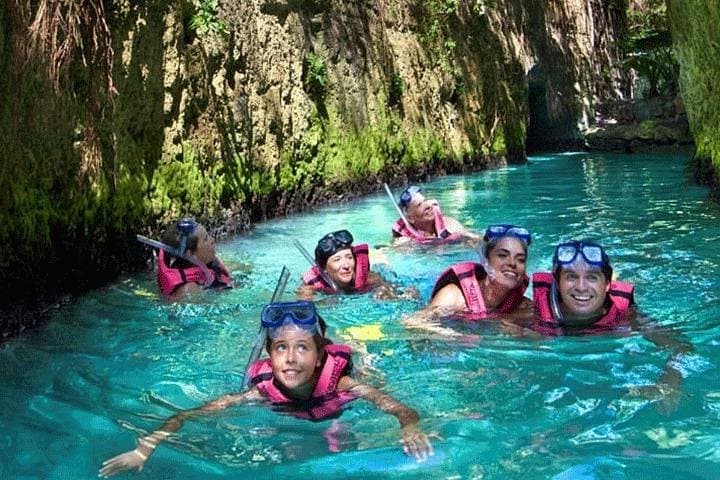
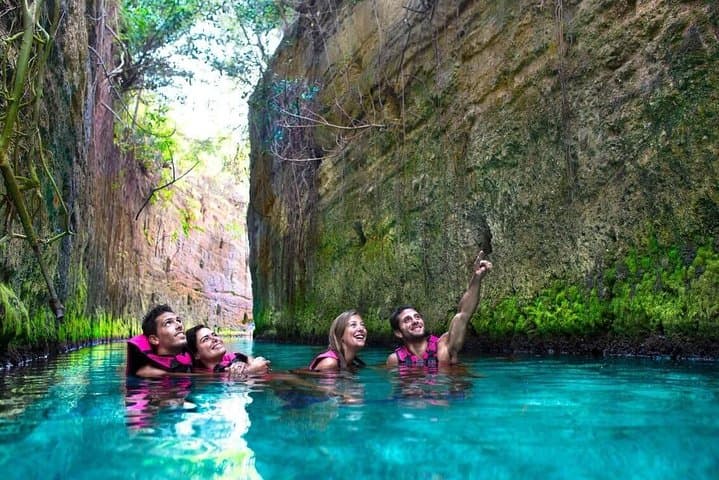
The Xenotes tour strings four contrasting sinks together—an assisted rappel into a cavern, cliff jumps into open cenotes, a kayak around a semi-open pool and guided swims through clear passages. Wildlife is subtle: small freshwater fish, occasional turtles and bats in the caves. Guides emphasize low-impact behavior—shower before entry, avoid chemical sunscreens, and stick to marked paths to protect fragile flora.
Practical notes: wear sturdy water shoes with soles for climbing wet limestone, bring a change of clothes and a biodegradable sunscreen, and be ready for several short climbs and steps. The day includes a picnic with soups, cold cuts and local breads, bottled water and soft drinks. Expect roughly eight hours, moderate physical demand, and a mix of adrenaline and quiet moments in cool blue water—an active way to read the geology and history of the Riviera Maya with your feet in the sink.
moderate.
8 hours.
Moderate fitness: able to climb short rock sections, swim 50–100 m and handle stairs and rappels; comfortable with heights.
Includes guided access to four cenotes, full safety equipment (life jacket, harness, helmet for rappels), picnic lunch with drinks, use of towels, and changing facilities.
Some operators include pickup from central Playa del Carmen meeting points—confirm your pickup point at booking and expect a short transfer to the cenote area.
Not recommended for pregnant travelers or those with serious heart or spinal conditions; activities are suitable for children over 6, with minimum height/weight limits for some elements.
Be ready for moderate exertion: climb stairs, perform short rappels with assistance, and swim short distances; practice basic swimming beforehand if unsure.
The Maya considered cenotes sacred sources of water and portals to the underworld; many nearby ruins and artifacts attest to long human interaction with these features.
Guides enforce pre‑entry showers and ban certain sunscreens because the delicate aquifer is sensitive to chemicals; stick to marked trails to avoid damaging root systems and cave formations.
IGOFLY operates guided outdoor trips and adventures with an emphasis on safety, stewardship, and memorable experiences.
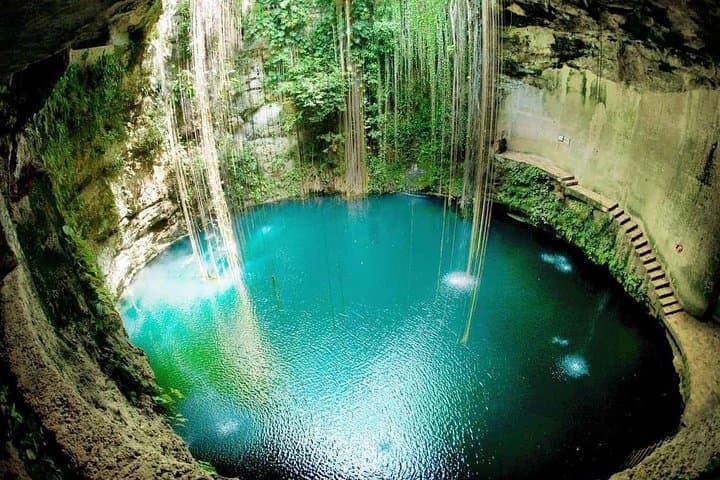
You step from the van into a humid hush: jungle leaves damp with earlier rain, limestone breathing itself into sinkholes carved over millennia. The guide checks harnesses, the air smells faintly of wet stone, and the first cenote opens below like a private inland sea—light spilling down through a circular mouth.
You step from the van into a humid hush: jungle leaves damp with earlier rain, limestone breathing itself into sinkholes carved over millennia. The guide checks harnesses, the air smells faintly of wet stone, and the first cenote opens below like a private inland sea—light spilling down through a circular mouth.
These are cenotes: collapsed limestone caverns connected to an underground aquifer that supplied the Maya with fresh water and carried ritual significance. Geologically, the Yucatán is a porous karst platform; rain dissolves the limestone and forms caves, stalactites and clear, deep pools. Culturally, the cenotes were both practical wells and sacred portals—visitors here get a tangible sense of that layered history while experiencing different cenote types: open, semi-open, cave.
The Xenotes tour strings four contrasting sinks together—an assisted rappel into a cavern, cliff jumps into open cenotes, a kayak around a semi-open pool and guided swims through clear passages. Wildlife is subtle: small freshwater fish, occasional turtles and bats in the caves. Guides emphasize low-impact behavior—shower before entry, avoid chemical sunscreens, and stick to marked paths to protect fragile flora.
Practical notes: wear sturdy water shoes with soles for climbing wet limestone, bring a change of clothes and a biodegradable sunscreen, and be ready for several short climbs and steps. The day includes a picnic with soups, cold cuts and local breads, bottled water and soft drinks. Expect roughly eight hours, moderate physical demand, and a mix of adrenaline and quiet moments in cool blue water—an active way to read the geology and history of the Riviera Maya with your feet in the sink.