THE ADVENTURE COLLECTIVE® · Independent discovery and booking for outdoor travel

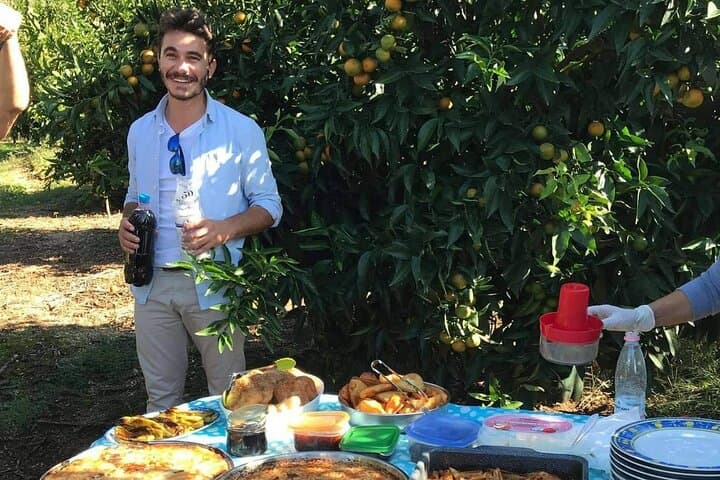
Join local farmers in Xarrë for hands-on mandarina picking and a picnic of homemade bread, feta and orange juice. This 2–3 hour tour near Butrint pairs agricultural practice with regional food and a short farmer-led talk.
Join local farmers in Xarrë for hands-on mandarina picking and a picnic of homemade bread, feta and orange juice. This 2–3 hour tour near Butrint pairs agricultural practice with regional food and a short farmer-led talk.
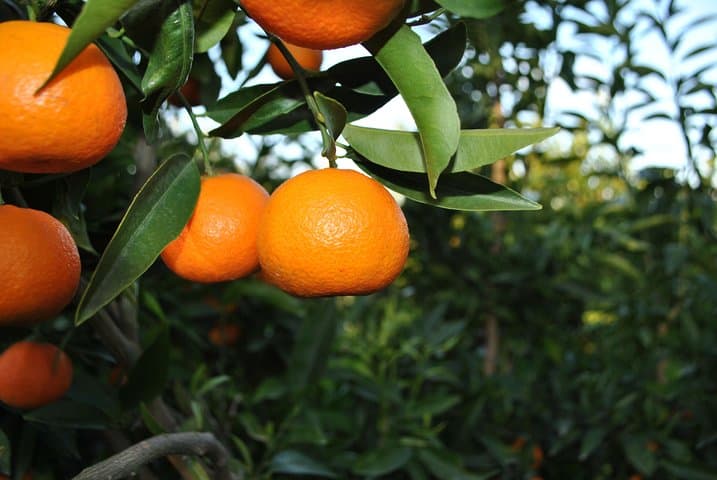
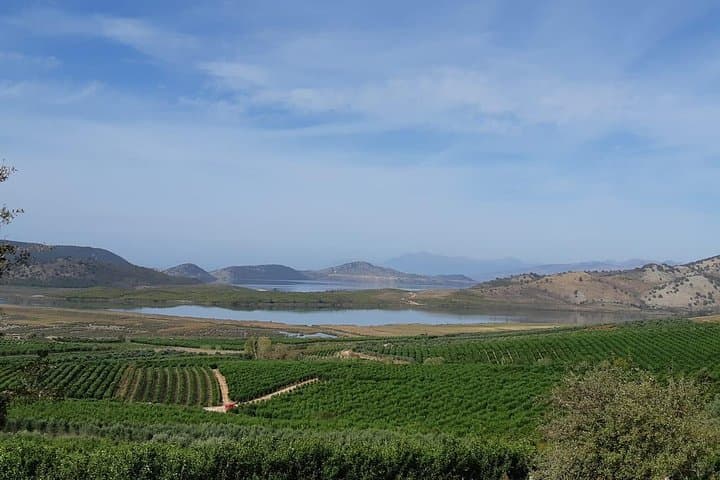
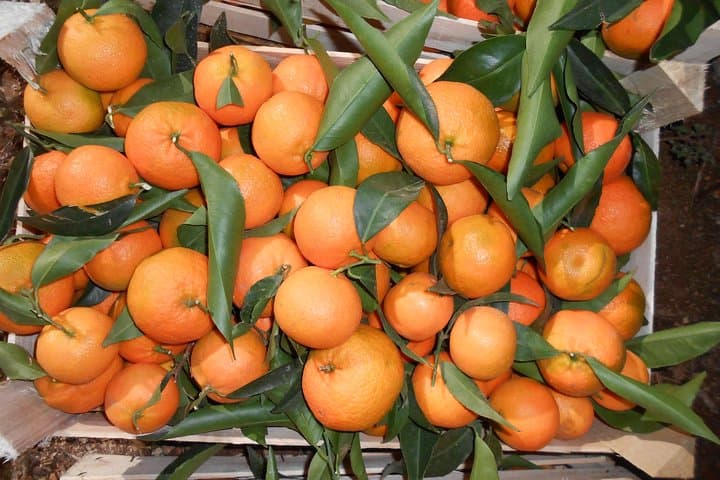
You step into an orchard that smells of citrus and warm soil — rows of mandarina trees leaning toward a generous sun, the sea a muted presence beyond the low ridge. Farmers move with deliberate, practiced hands, the wooden crates already waiting; you’ll join them, cutting fruit, learning to handle branches without bruising the crop, then walk up under an olive tree to eat like a neighbor rather than a tourist.
Verified experiences and guided adventures in the surrounding area.
Operated by Nebo infoTour · Xarrë, Vlorë County
You step into an orchard that smells of citrus and warm soil — rows of mandarina trees leaning toward a generous sun, the sea a muted presence beyond the low ridge. Farmers move with deliberate, practiced hands, the wooden crates already waiting; you’ll join them, cutting fruit, learning to handle branches without bruising the crop, then walk up under an olive tree to eat like a neighbor rather than a tourist.
This is the plain east of Butrint National Park, where karst limestone gives way to alluvial soils that favor citrus. The area’s history runs from ancient Buthrotum to Ottoman-era farming practices; the head farmer’s short talk ties the bright, late-autumn fruit to local agricultural cycles and long-running cooperative methods. Cultural staples appear on the picnic cloth — Xarrë’s dense homemade bread, salty feta, olives, jams and fresh orange juice — a direct taste of southern Albanian farm life.
Practical details matter: the tour runs about 2–3 hours and is mostly flat walking through planted rows. Gloves and clippers are provided, but wear closed-toe shoes and a hat; bring a refillable water bottle and sunscreen for sun-exposed sections. Morning or late-afternoon departures avoid the strongest sun and catch the best light for photos. Public transport options run through Sarandë, and the village setting is family-friendly though not suited for anyone with serious cardiovascular issues. Slow down, ask questions, and carry out any fruit you don’t eat — these are working farms and respect keeps them productive.
easy.
2–3 hours.
Suitable for most fitness levels; involves light walking on uneven ground and short periods standing.
The experience lasts about 2–3 hours and involves easy, mostly flat walking through planted rows and a short uphill walk to the picnic spot.
Yes — gloves and clippers are included so you can participate in picking and basic orchard tasks safely.
Meetings are typically arranged at a local point near Xarrë or coordinated from Sarandë; public transport is nearby but confirm pickup details when booking.
The tour is family-friendly and accessible to strollers on some paths, but those with significant mobility limitations should check with the operator in advance.
The agricultural plain near Butrint has been cultivated since antiquity; local citrus cultivation expanded more recently as Mediterranean trade and irrigation practices evolved.
Tours work with active farms inside the Butrint zone—visitors should follow guidance to avoid trampling and to minimize waste; supporting local sales helps sustain smallholders.
Nebo infoTour operates guided outdoor trips and adventures with an emphasis on safety, stewardship, and memorable experiences.
You step into an orchard that smells of citrus and warm soil — rows of mandarina trees leaning toward a generous sun, the sea a muted presence beyond the low ridge. Farmers move with deliberate, practiced hands, the wooden crates already waiting; you’ll join them, cutting fruit, learning to handle branches without bruising the crop, then walk up under an olive tree to eat like a neighbor rather than a tourist.
You step into an orchard that smells of citrus and warm soil — rows of mandarina trees leaning toward a generous sun, the sea a muted presence beyond the low ridge. Farmers move with deliberate, practiced hands, the wooden crates already waiting; you’ll join them, cutting fruit, learning to handle branches without bruising the crop, then walk up under an olive tree to eat like a neighbor rather than a tourist.
This is the plain east of Butrint National Park, where karst limestone gives way to alluvial soils that favor citrus. The area’s history runs from ancient Buthrotum to Ottoman-era farming practices; the head farmer’s short talk ties the bright, late-autumn fruit to local agricultural cycles and long-running cooperative methods. Cultural staples appear on the picnic cloth — Xarrë’s dense homemade bread, salty feta, olives, jams and fresh orange juice — a direct taste of southern Albanian farm life.
Practical details matter: the tour runs about 2–3 hours and is mostly flat walking through planted rows. Gloves and clippers are provided, but wear closed-toe shoes and a hat; bring a refillable water bottle and sunscreen for sun-exposed sections. Morning or late-afternoon departures avoid the strongest sun and catch the best light for photos. Public transport options run through Sarandë, and the village setting is family-friendly though not suited for anyone with serious cardiovascular issues. Slow down, ask questions, and carry out any fruit you don’t eat — these are working farms and respect keeps them productive.