THE ADVENTURE COLLECTIVE® · Independent discovery and booking for outdoor travel

Descend into the unfinished San Giovanni fortress near Rijeka and step into a compact, multimedia-driven WWII experience. This 60-minute guided tour combines history, atmospheric underground passages, and a closing glass of local wine.
Descend into the unfinished San Giovanni fortress near Rijeka and step into a compact, multimedia-driven WWII experience. This 60-minute guided tour combines history, atmospheric underground passages, and a closing glass of local wine.
You step off the quay and follow a narrow concrete ramp where the air cools and the city's noise thins into a distant murmur. The entrance to the unfinished San Giovanni underground fortress yawns, stone and shadow meeting the beam of a headlamp; projections flicker on raw walls as your guide gestures to iron brackets and blocked corridors that once aimed at defending Rijeka.
Verified experiences and guided adventures in the surrounding area.
Operated by Adventurer · Rijeka, Primorje-Gorski Kotar
You step off the quay and follow a narrow concrete ramp where the air cools and the city's noise thins into a distant murmur. The entrance to the unfinished San Giovanni underground fortress yawns, stone and shadow meeting the beam of a headlamp; projections flicker on raw walls as your guide gestures to iron brackets and blocked corridors that once aimed at defending Rijeka.
The site is a tangible chapter of 20th-century coastal defense: begun in the interwar years and shaped by WWII strategic shifts, the entrance level preserves construction scars and layers of use. The underlying rock is coastal limestone—hard, pocked, and prone to damp—so sound carries and drips keep time. Local culture around Rijeka leans maritime and industrious; the fortress stands off the tourist paths, a quieter portrait of the city's strategic past.
Guides combine narration with audio-visual effects to place you in historical moments without requiring spelunking skills. The experience is short and focused—about 60 minutes—ending with a relaxed glass of local wine in the open air, a chance to exchange questions. Helmets and headlamps are provided; temperatures hover around 14–16°C year-round.
Practicalities: group size is small (up to 15), booking confirmation is manual, and the site isn't wheelchair accessible. Wear a warm layer and sturdy shoes for uneven concrete, and plan for minimal phone signal underground. If you want context before you go, read a concise history of Rijeka's wartime role; if you bring a camera, be ready for low light. For an efficient, educational mini-adventure that pairs tactile history with theatrical presentation, the San Giovanni entrance tour is a tidy half-hour plunge into Rijeka's hidden defenses.
easy.
1 hour.
Suitable for most fitness levels; requires ability to navigate stairs and short, uneven ramps.
Children can join but must be supervised; the site has uneven surfaces and is not stroller-friendly.
Yes—helmets and headlamps are included and certified to current standards.
Photography is generally allowed, but bring low-light capable gear and follow guide instructions during projections.
No—the entrance and lower levels involve ramps and steps that make it inaccessible for wheelchairs.
San Giovanni reflects Rijeka's strategic maritime position in the 20th century; the unfinished underground works speak to shifting wartime priorities and postwar abandonment.
The site is fragile—visitors are asked to avoid touching projections and to follow guide instructions to protect historic fabric and reduce humidity impacts.
Adventurer operates guided outdoor trips and adventures with an emphasis on safety, stewardship, and memorable experiences.
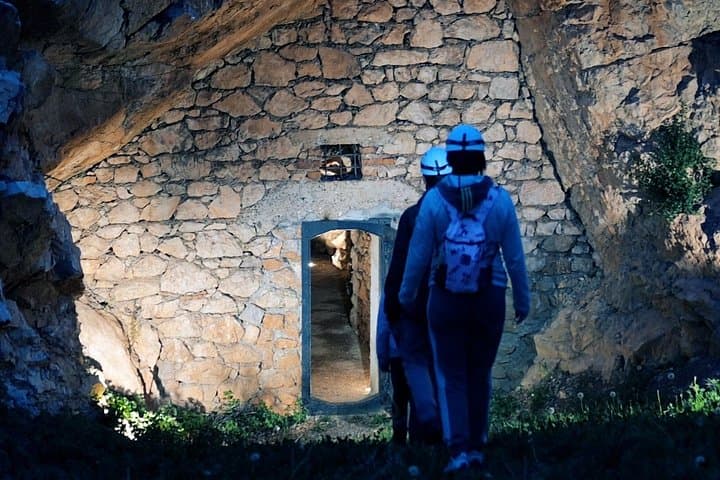
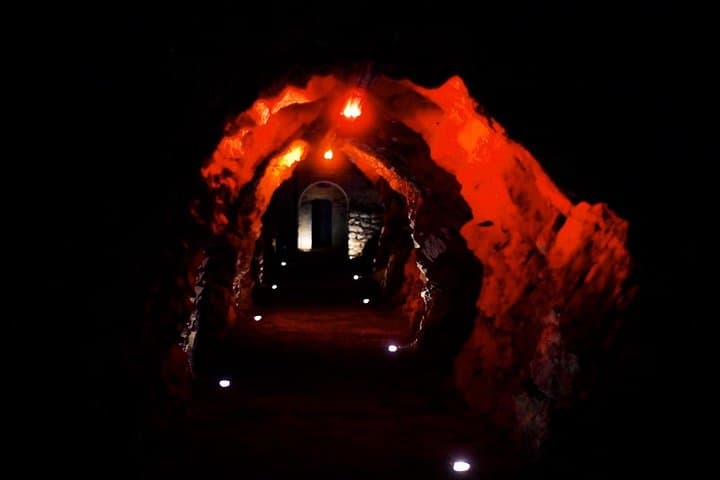
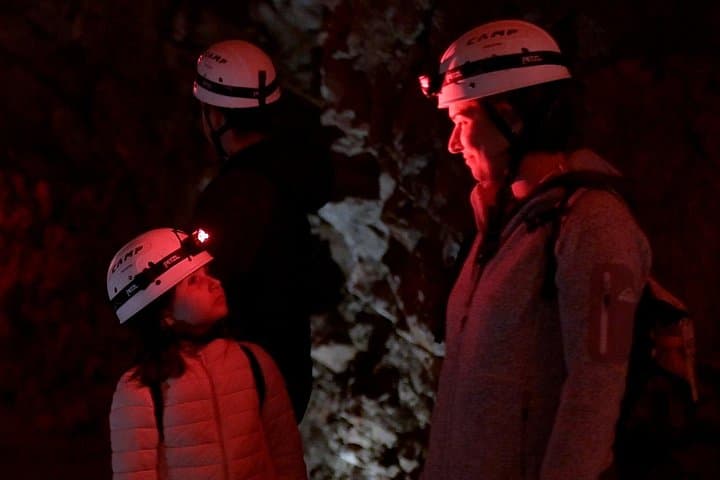
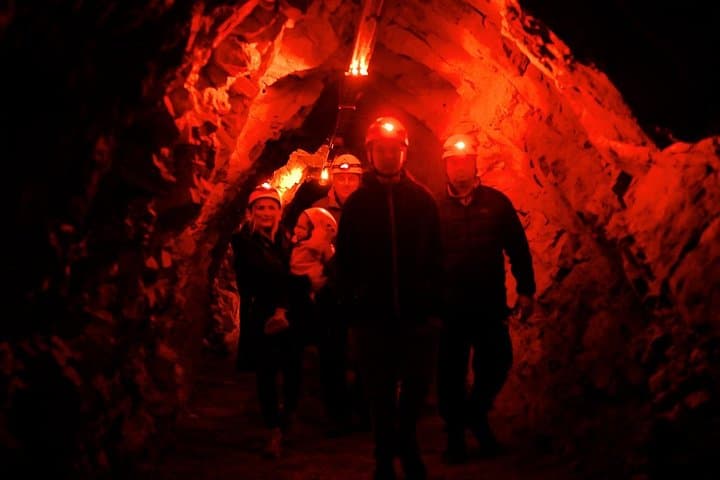
You step off the quay and follow a narrow concrete ramp where the air cools and the city's noise thins into a distant murmur. The entrance to the unfinished San Giovanni underground fortress yawns, stone and shadow meeting the beam of a headlamp; projections flicker on raw walls as your guide gestures to iron brackets and blocked corridors that once aimed at defending Rijeka.
You step off the quay and follow a narrow concrete ramp where the air cools and the city's noise thins into a distant murmur. The entrance to the unfinished San Giovanni underground fortress yawns, stone and shadow meeting the beam of a headlamp; projections flicker on raw walls as your guide gestures to iron brackets and blocked corridors that once aimed at defending Rijeka.
The site is a tangible chapter of 20th-century coastal defense: begun in the interwar years and shaped by WWII strategic shifts, the entrance level preserves construction scars and layers of use. The underlying rock is coastal limestone—hard, pocked, and prone to damp—so sound carries and drips keep time. Local culture around Rijeka leans maritime and industrious; the fortress stands off the tourist paths, a quieter portrait of the city's strategic past.
Guides combine narration with audio-visual effects to place you in historical moments without requiring spelunking skills. The experience is short and focused—about 60 minutes—ending with a relaxed glass of local wine in the open air, a chance to exchange questions. Helmets and headlamps are provided; temperatures hover around 14–16°C year-round.
Practicalities: group size is small (up to 15), booking confirmation is manual, and the site isn't wheelchair accessible. Wear a warm layer and sturdy shoes for uneven concrete, and plan for minimal phone signal underground. If you want context before you go, read a concise history of Rijeka's wartime role; if you bring a camera, be ready for low light. For an efficient, educational mini-adventure that pairs tactile history with theatrical presentation, the San Giovanni entrance tour is a tidy half-hour plunge into Rijeka's hidden defenses.