THE ADVENTURE COLLECTIVE® · Independent discovery and booking for outdoor travel

Walk Prague’s wartime history on a focused two-hour small-group tour that visits Wenceslas Square, the Gestapo headquarters, the Winton station, and a crypt tied to the Heydrich assassination. Expect close-up history, accessible routes, and a final tram ride to a hidden memorial space.
Walk Prague’s wartime history on a focused two-hour small-group tour that visits Wenceslas Square, the Gestapo headquarters, the Winton station, and a crypt tied to the Heydrich assassination. Expect close-up history, accessible routes, and a final tram ride to a hidden memorial space.
A tram screeches past, its bell cutting through the low winter light, and the guide falls into the rhythm of Prague’s streets—precise, conversational, quietly insistent. Participants step from Wenceslas Square into alleys that still carry the measured imprint of wartime orders and later defiance. The tour moves at a walking pace: city stones underfoot, memorial plaques that demand a pause, and a final descent into a dim crypt where resistance fighters once hid.
Verified experiences and guided adventures in the surrounding area.
Operated by Prague Extravaganza Tours · Prague, Prague
A tram screeches past, its bell cutting through the low winter light, and the guide falls into the rhythm of Prague’s streets—precise, conversational, quietly insistent. Participants step from Wenceslas Square into alleys that still carry the measured imprint of wartime orders and later defiance. The tour moves at a walking pace: city stones underfoot, memorial plaques that demand a pause, and a final descent into a dim crypt where resistance fighters once hid.
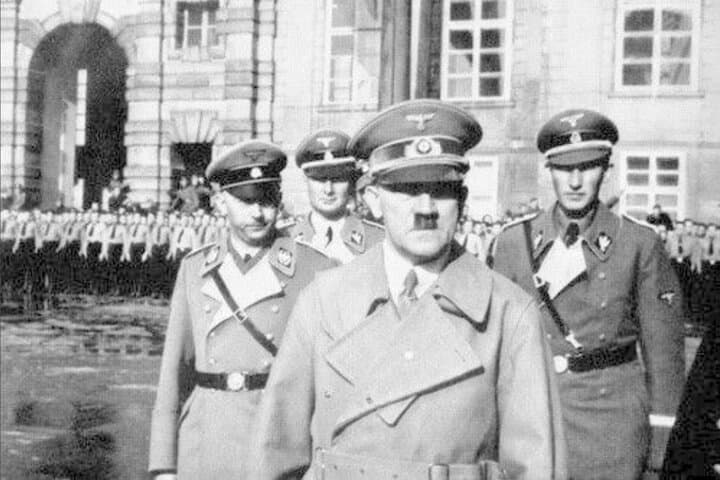
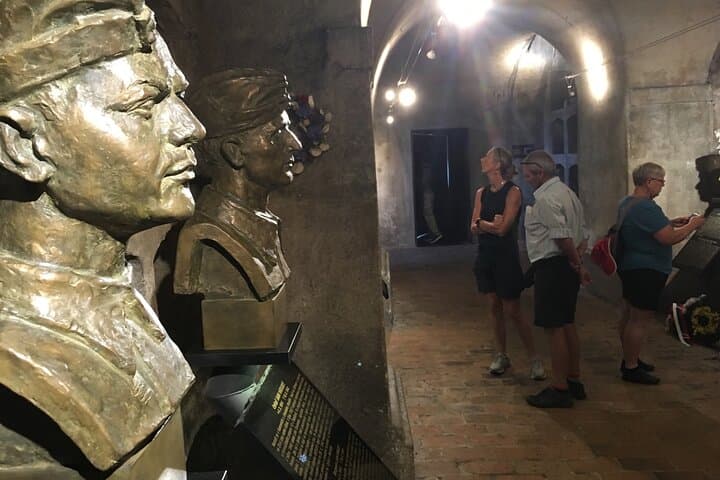
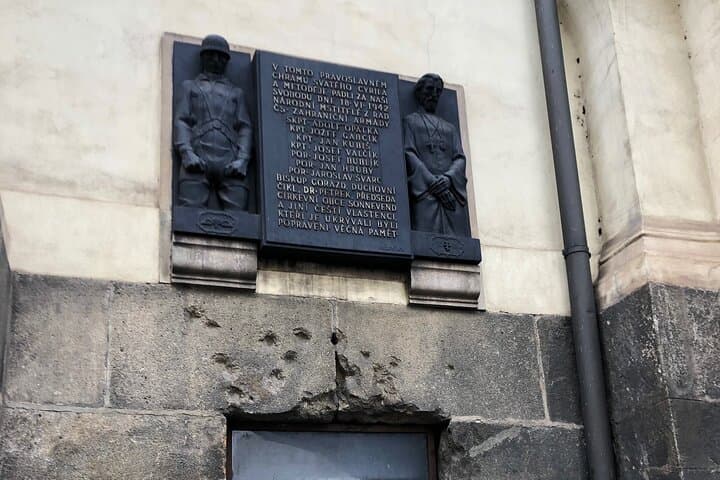
This route threads through Prague’s 20th-century fault lines. Visitors will hear how Czechoslovakia formed in 1918, study buildings scarred by the 1945 Prague Uprising, and stand before the Jerusalem (Maisel) Synagogue and the station where Sir Nicholas Winton’s rescued children said goodbye. The itinerary includes the former Gestapo headquarters and leads by tram to the crypt beneath the Church of Saints Cyril and Methodius—linked to the assassination of Reinhard Heydrich and the violent reprisals that followed.
Practicalities are straightforward: the tour runs about two hours, capped at roughly 10 people, and the public transport ticket is handled as part of the tour. The crypt may be closed on Mondays—confirm before you book—and modest behavior is expected at memorial sites. Wear comfortable shoes for cobbles and bring a light layer; Prague’s weather flips quickly.
For travelers interested in focused history without exhaustive museum time, this compact small-group walk balances narrative, urban archaeology, and solemn remembrance—delivered with local context and clear logistical notes so visitors leave informed as well as moved.
easy.
2 hours.
Light walking on city streets; suitable for most fitness levels; wheelchair accessible sections available
The tour runs approximately two hours and covers several central Prague sites with short walking segments and one tram ride.
No—the crypt is closed on Mondays; the itinerary notes this and guides typically confirm access before the tour.
The tour listing indicates wheelchair-accessible options for many areas, but the crypt involves steps; contact the operator in advance to discuss accessibility needs.
The tour includes a public transport ticket; specific museum admissions are generally not included—confirm any paid entries when booking.
Prague was the capital of the newly formed Czechoslovakia after 1918 and endured occupation, resistance, and a dramatic 1945 uprising that left visible marks on the urban fabric.
Visitors should stick to marked paths and memorial areas; many memorials are preserved by local heritage groups, so respectful behavior helps protect fragile sites.
Prague Extravaganza Tours operates guided outdoor trips and adventures with an emphasis on safety, stewardship, and memorable experiences.
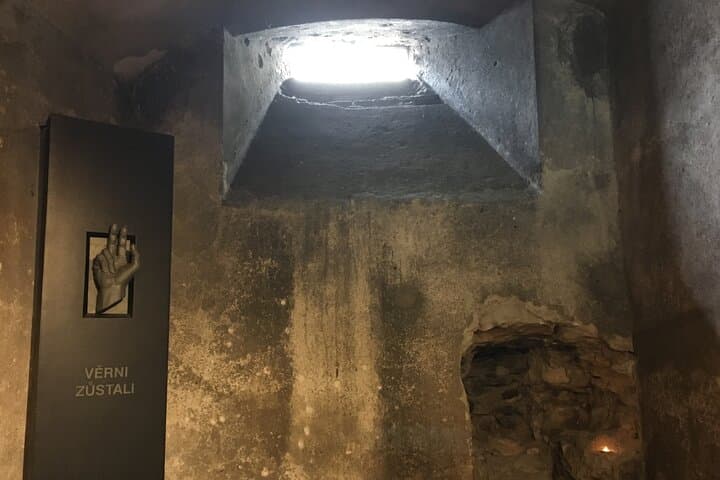
A tram screeches past, its bell cutting through the low winter light, and the guide falls into the rhythm of Prague’s streets—precise, conversational, quietly insistent. Participants step from Wenceslas Square into alleys that still carry the measured imprint of wartime orders and later defiance. The tour moves at a walking pace: city stones underfoot, memorial plaques that demand a pause, and a final descent into a dim crypt where resistance fighters once hid.
A tram screeches past, its bell cutting through the low winter light, and the guide falls into the rhythm of Prague’s streets—precise, conversational, quietly insistent. Participants step from Wenceslas Square into alleys that still carry the measured imprint of wartime orders and later defiance. The tour moves at a walking pace: city stones underfoot, memorial plaques that demand a pause, and a final descent into a dim crypt where resistance fighters once hid.
This route threads through Prague’s 20th-century fault lines. Visitors will hear how Czechoslovakia formed in 1918, study buildings scarred by the 1945 Prague Uprising, and stand before the Jerusalem (Maisel) Synagogue and the station where Sir Nicholas Winton’s rescued children said goodbye. The itinerary includes the former Gestapo headquarters and leads by tram to the crypt beneath the Church of Saints Cyril and Methodius—linked to the assassination of Reinhard Heydrich and the violent reprisals that followed.
Practicalities are straightforward: the tour runs about two hours, capped at roughly 10 people, and the public transport ticket is handled as part of the tour. The crypt may be closed on Mondays—confirm before you book—and modest behavior is expected at memorial sites. Wear comfortable shoes for cobbles and bring a light layer; Prague’s weather flips quickly.
For travelers interested in focused history without exhaustive museum time, this compact small-group walk balances narrative, urban archaeology, and solemn remembrance—delivered with local context and clear logistical notes so visitors leave informed as well as moved.