THE ADVENTURE COLLECTIVE® · Independent discovery and booking for outdoor travel

Spend a full day in the life of a 1943 aviation cadet: ground school, three PT-19 training flights totaling two hours, a mess-kit lunch, and a graduation ceremony at Butler County Warbirds.
Spend a full day in the life of a 1943 aviation cadet: ground school, three PT-19 training flights totaling two hours, a mess-kit lunch, and a graduation ceremony at Butler County Warbirds.
You arrive through a locked gate off Wedekind and the smell of oil and warm aluminum meets you—a working hangar that feels like a classroom and a flight line at once. Mechanics are tuning a 1943 Fairchild PT-19 while an instructor calls cadence for the next cadet. Over the next eight or so hours you move from briefing room to cockpit, practicing checklists and hand signals before three short training flights that together total about two hours of stick time.
Verified experiences and guided adventures in the surrounding area.
Operated by Butler County Warbirds Inc. · Hamilton, Ohio
You arrive through a locked gate off Wedekind and the smell of oil and warm aluminum meets you—a working hangar that feels like a classroom and a flight line at once. Mechanics are tuning a 1943 Fairchild PT-19 while an instructor calls cadence for the next cadet. Over the next eight or so hours you move from briefing room to cockpit, practicing checklists and hand signals before three short training flights that together total about two hours of stick time.
The PT-19 was a primary trainer for Allied pilots in World War II; its simple low-wing design and open-cockpit feel made it ideal to teach basic stick-and-rudder skills. The Butler County Warbirds recreate that 1943 cadence—uniforms, a mess-kit lunch, and a mock graduation—so the day doubles as living history as much as aviation instruction. The air above Butler County is flat Midwest farmland, so expect long sightlines, agricultural parcels, and occasional small towns below.
Practical guidance: arrive early to complete waivers and gear issue, and bring a photo ID and the weight information required at booking. Temperatures below 40°F cancel flights, and there is a 235 lb seating limit. Motion-sickness meds are wise for nervous flyers; sunglasses, closed-toe shoes, and a light jacket suit cockpit conditions. The experience is paced: about 3.5 hours of classroom time, two hours flight spread over three sorties, then graduation and debrief over coffee. Whether you come for the history or the hands-on flying, plan for a full day and leave with a replica pair of wings and a clearer sense of what cadet training once demanded.
moderate.
8–9 hours.
Suitable for most fitness levels; ability to sit and climb in and out of small cockpit seats comfortably is required.
Participants must be at least 14 to attend; to sit in the front cockpit seat you must be 18 or older.
Flights are canceled for bad weather or if outside air temperature is below 40°F; cancelation and refund rules require 24+ hours for a full refund.
No prior experience is necessary; the day includes ground instruction and step-by-step flight training.
There is a 235 lb maximum for seating; the experience is not recommended for pregnant travelers or those with serious heart conditions.
The Fairchild PT-19 served as a primary trainer for Allied pilot programs in the early 1940s; replica training days recreate the cadence and discipline of wartime cadet instruction.
The Warbirds operate with a focus on preserving historical aircraft; visitors are encouraged to follow hangar rules to reduce fuel and noise impacts and support maintenance efforts through donations.
Butler County Warbirds Inc. operates guided outdoor trips and adventures with an emphasis on safety, stewardship, and memorable experiences.
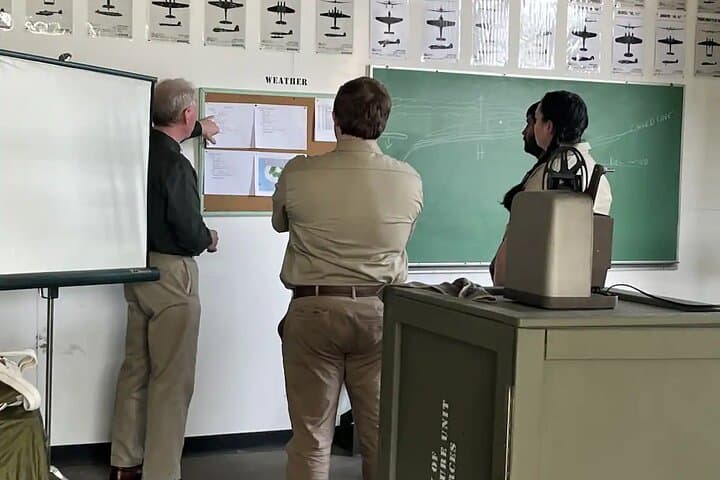
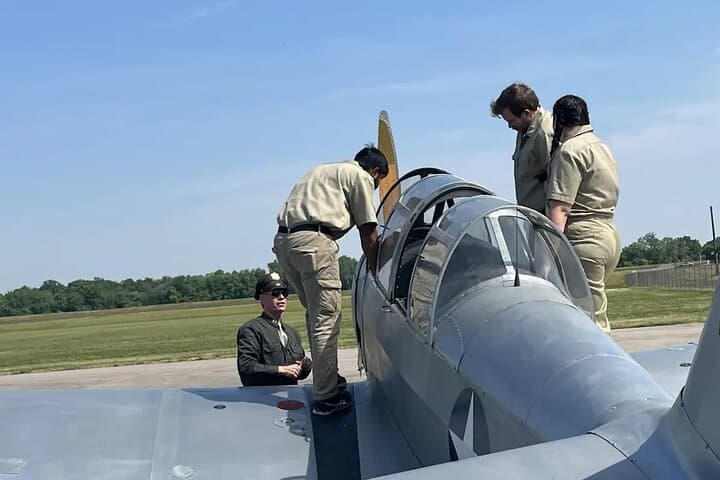
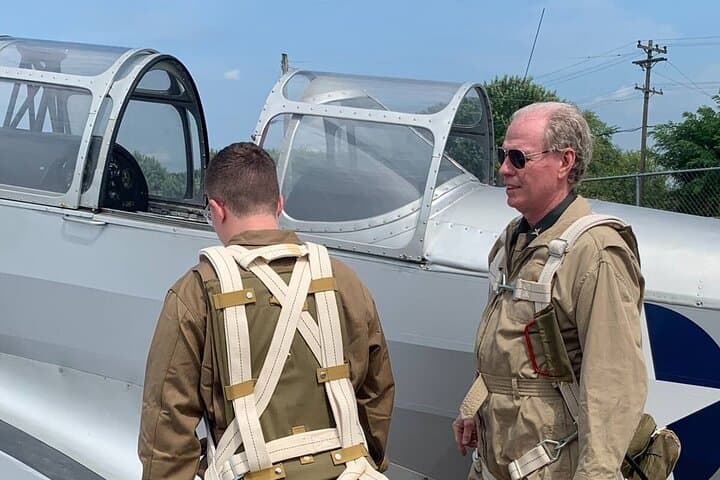
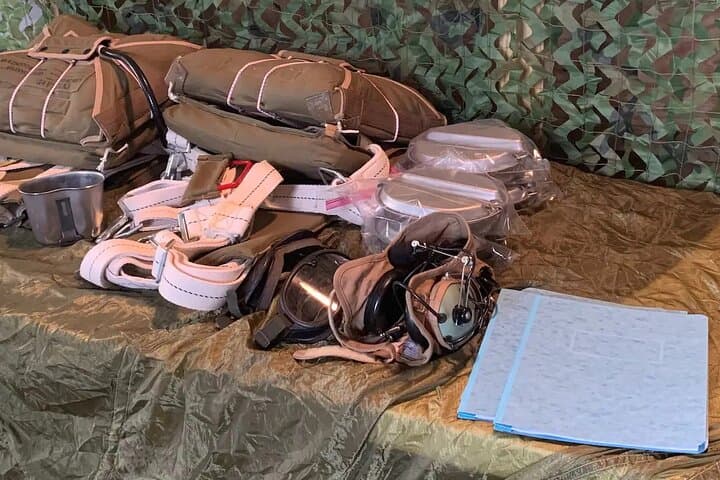
You arrive through a locked gate off Wedekind and the smell of oil and warm aluminum meets you—a working hangar that feels like a classroom and a flight line at once. Mechanics are tuning a 1943 Fairchild PT-19 while an instructor calls cadence for the next cadet. Over the next eight or so hours you move from briefing room to cockpit, practicing checklists and hand signals before three short training flights that together total about two hours of stick time.
You arrive through a locked gate off Wedekind and the smell of oil and warm aluminum meets you—a working hangar that feels like a classroom and a flight line at once. Mechanics are tuning a 1943 Fairchild PT-19 while an instructor calls cadence for the next cadet. Over the next eight or so hours you move from briefing room to cockpit, practicing checklists and hand signals before three short training flights that together total about two hours of stick time.
The PT-19 was a primary trainer for Allied pilots in World War II; its simple low-wing design and open-cockpit feel made it ideal to teach basic stick-and-rudder skills. The Butler County Warbirds recreate that 1943 cadence—uniforms, a mess-kit lunch, and a mock graduation—so the day doubles as living history as much as aviation instruction. The air above Butler County is flat Midwest farmland, so expect long sightlines, agricultural parcels, and occasional small towns below.
Practical guidance: arrive early to complete waivers and gear issue, and bring a photo ID and the weight information required at booking. Temperatures below 40°F cancel flights, and there is a 235 lb seating limit. Motion-sickness meds are wise for nervous flyers; sunglasses, closed-toe shoes, and a light jacket suit cockpit conditions. The experience is paced: about 3.5 hours of classroom time, two hours flight spread over three sorties, then graduation and debrief over coffee. Whether you come for the history or the hands-on flying, plan for a full day and leave with a replica pair of wings and a clearer sense of what cadet training once demanded.