THE ADVENTURE COLLECTIVE® · Independent discovery and booking for outdoor travel

Handle and fire authentic WWII-era small arms under expert supervision at a rural New Hampshire range. This small-group experience pairs a focused history briefing with controlled trigger time on pistols, rifles, submachine guns and a belt-fed machine gun.
Handle and fire authentic WWII-era small arms under expert supervision at a rural New Hampshire range. This small-group experience pairs a focused history briefing with controlled trigger time on pistols, rifles, submachine guns and a belt-fed machine gun.
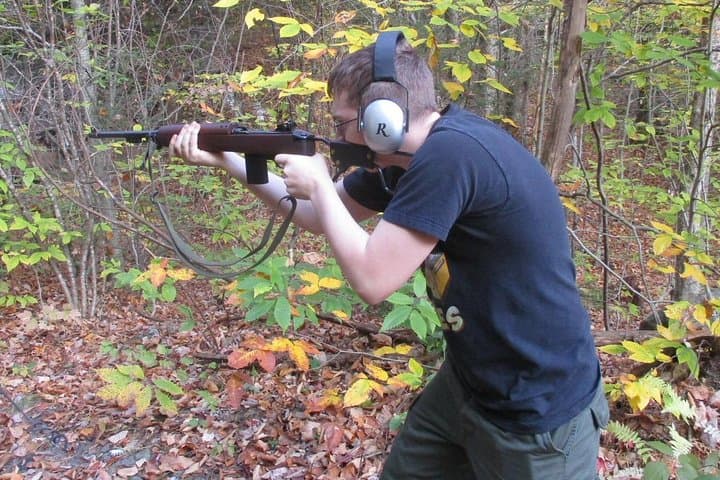
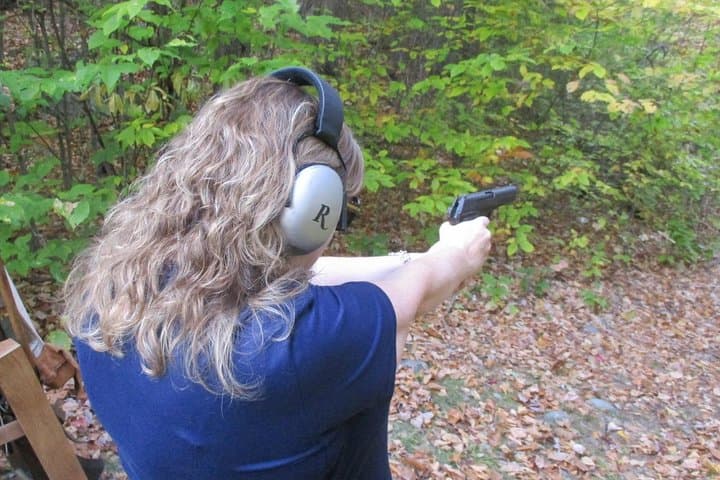
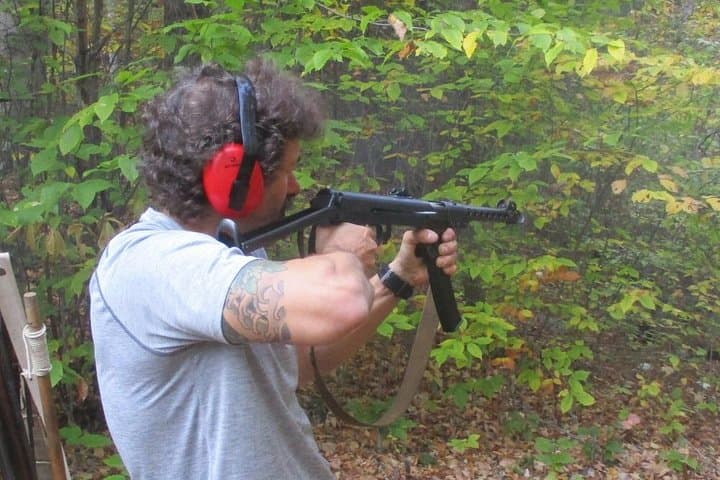
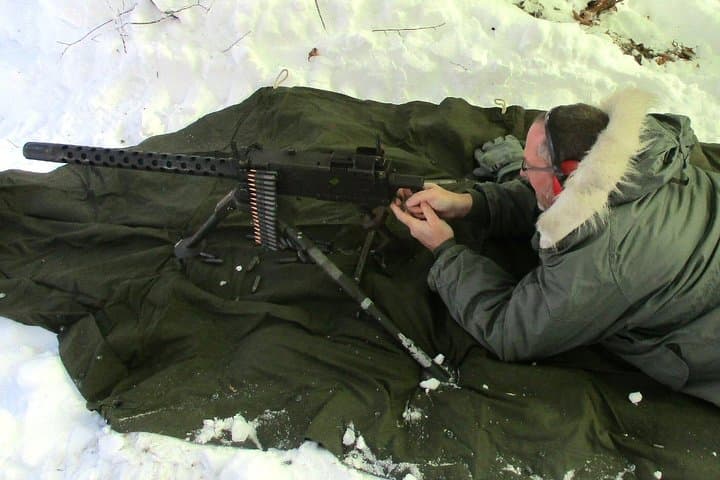
You step out of the trailer into a wide, scrubby range where wind tugs at paper silhouettes and metal spinners clank like distant bells. The instructor's voice cuts across the space: a short, precise history of 1940s weapons before you shoulder a service rifle that once defined battlefields. The day moves between a compact indoor classroom and a rural outdoor line where you handle pistols, submachine guns, a battle rifle and a belt-fed machine gun under direct supervision.
Verified experiences and guided adventures in the surrounding area.
Operated by Historical Shooting Inc · Concord, New Hampshire
You step out of the trailer into a wide, scrubby range where wind tugs at paper silhouettes and metal spinners clank like distant bells. The instructor's voice cuts across the space: a short, precise history of 1940s weapons before you shoulder a service rifle that once defined battlefields. The day moves between a compact indoor classroom and a rural outdoor line where you handle pistols, submachine guns, a battle rifle and a belt-fed machine gun under direct supervision.
The program pairs history with mechanics: expect stories about ammunition evolution, the design choices behind the Garand, Thompson and MP40, and how wartime production shaped small-town American industry. Geology and culture peek through the setting — New Hampshire's glacially-scoured terrain provides the clay and gravel foundation for many rural ranges, and local veterans' groups often preserve these weapons as living artifacts.
Practical guidance is immediate. The class runs ~4.5 hours and is limited to small groups for focused instruction; prior shooting experience isn’t required. Wear sturdy, closed-toe shoes and layered clothing for an exposed outdoor range. Bring photo ID and arrive early for safety briefings.
Expect to spend time kneeling, shouldering, and standing; instructors teach period-appropriate stances, so you may fire one-handed pistols and right-shoulder rifle positions. Safety gear — eye and ear protection — is provided. The range emphasizes lead containment and responsible target disposal; follow instructor directions about where to move and how to handle brass. By the end you'll have practical trigger time and a clearer sense of the mechanics and context behind some of WWII's most recognizable small arms.
easy.
4–5 hours.
Suitable for most fitness levels — you should be able to stand, kneel, and walk short distances on uneven ground.
No. Instructors cover basic firearms safety and period-specific stances; the session is designed for beginners and experienced shooters alike.
Age requirements vary by operator; confirm at booking and bring age documentation — minors may require guardian consent.
Yes — the experience supplies all firearms, ammunition, targets, and safety equipment as part of the session.
The operator may cancel or reschedule for severe weather; check the cancellation policy and dress for conditions since some shooting takes place outdoors.
The small arms you'll handle reflect rapid wartime innovation and mass production during WWII; collectors and historians in New England have long preserved these tools for education and reenactment.
Ranges in the region follow lead-management and target-waste protocols; participants are asked to respect range boundaries and follow instructor instructions to minimize environmental impact.
Historical Shooting Inc operates guided outdoor trips and adventures with an emphasis on safety, stewardship, and memorable experiences.
You step out of the trailer into a wide, scrubby range where wind tugs at paper silhouettes and metal spinners clank like distant bells. The instructor's voice cuts across the space: a short, precise history of 1940s weapons before you shoulder a service rifle that once defined battlefields. The day moves between a compact indoor classroom and a rural outdoor line where you handle pistols, submachine guns, a battle rifle and a belt-fed machine gun under direct supervision.
You step out of the trailer into a wide, scrubby range where wind tugs at paper silhouettes and metal spinners clank like distant bells. The instructor's voice cuts across the space: a short, precise history of 1940s weapons before you shoulder a service rifle that once defined battlefields. The day moves between a compact indoor classroom and a rural outdoor line where you handle pistols, submachine guns, a battle rifle and a belt-fed machine gun under direct supervision.
The program pairs history with mechanics: expect stories about ammunition evolution, the design choices behind the Garand, Thompson and MP40, and how wartime production shaped small-town American industry. Geology and culture peek through the setting — New Hampshire's glacially-scoured terrain provides the clay and gravel foundation for many rural ranges, and local veterans' groups often preserve these weapons as living artifacts.
Practical guidance is immediate. The class runs ~4.5 hours and is limited to small groups for focused instruction; prior shooting experience isn’t required. Wear sturdy, closed-toe shoes and layered clothing for an exposed outdoor range. Bring photo ID and arrive early for safety briefings.
Expect to spend time kneeling, shouldering, and standing; instructors teach period-appropriate stances, so you may fire one-handed pistols and right-shoulder rifle positions. Safety gear — eye and ear protection — is provided. The range emphasizes lead containment and responsible target disposal; follow instructor directions about where to move and how to handle brass. By the end you'll have practical trigger time and a clearer sense of the mechanics and context behind some of WWII's most recognizable small arms.