THE ADVENTURE COLLECTIVE® · Independent discovery and booking for outdoor travel

A full-day excursion from Phoenix that pairs the ancient stone pueblos of Wupatki with the stark cinder cone slopes of Sunset Crater. Expect guided ruins interpretation, short volcanic loops, and a deep look at Northern Arizona’s geology and human history.
A full-day excursion from Phoenix that pairs the ancient stone pueblos of Wupatki with the stark cinder cone slopes of Sunset Crater. Expect guided ruins interpretation, short volcanic loops, and a deep look at Northern Arizona’s geology and human history.
You arrive mid-morning with the high desert light flattening distant mesas and a cold volcanic breeze nudging at your jacket. The van eases off the highway and the landscape opens into shortgrass prairie threaded with red-rock outcrops; the ruins of Wupatki rise from that plain like a deliberate interruption—stone rooms stacked against the sky.
Verified experiences and guided adventures in the surrounding area.
Operated by BARBIL TOURS · Flagstaff, Arizona
You arrive mid-morning with the high desert light flattening distant mesas and a cold volcanic breeze nudging at your jacket. The van eases off the highway and the landscape opens into shortgrass prairie threaded with red-rock outcrops; the ruins of Wupatki rise from that plain like a deliberate interruption—stone rooms stacked against the sky.
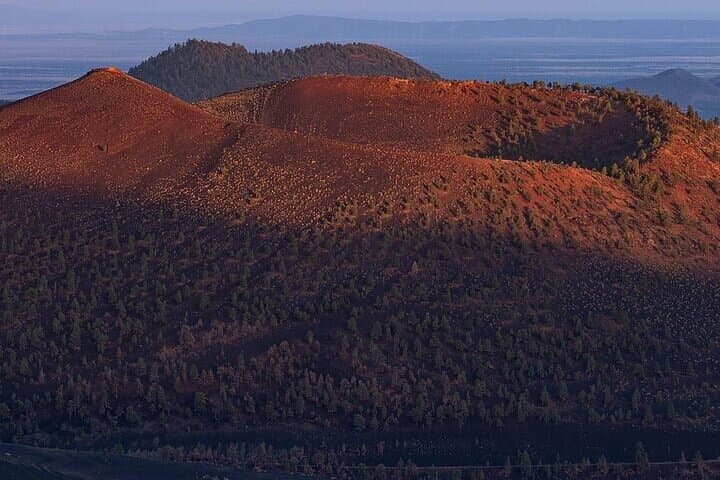
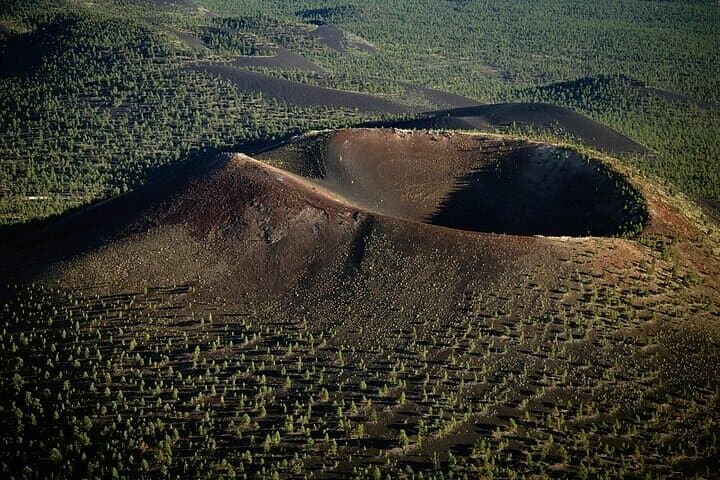
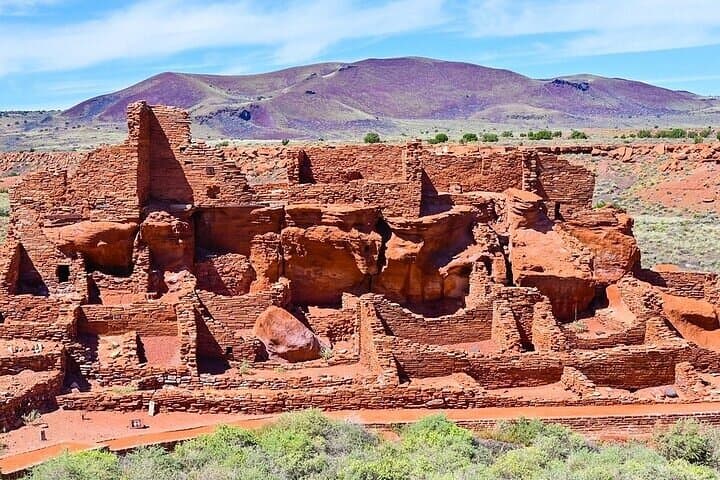
Wupatki and Sunset Crater sit on the Colorado Plateau where human history and recent volcanism intersect. Wupatki Pueblo—built from Moenkopi sandstone and mortar—was a regional gathering place for the Sinagua and neighboring peoples; its more than 100 rooms and the northernmost ballcourt in North America speak to complex social networks a thousand years old. Nearby, Sunset Crater is a young cinder cone from an eruption about 1,000 years ago, part of the San Francisco Volcanic Field. Lava, cinders and sparse soils create a stark, slow-growing landscape where ponderosa pines reclaim nutrient-poor ground.
Guides provide context at both sites and the Museum of Northern Arizona adds cultural framing for the day. Expect short, self-guided loops at Sunset Crater and a guided stroll through Wupatki’s plazas and masonry. Trails are packed dirt and volcanic ash; light walking shoes suffice, but some uneven footing and low exposure are normal.
Practicalities: this is a full-day excursion (about 9–10 hours) with comfortable transport and bottled water included. Start early from Phoenix to avoid afternoon heat, bring sun protection and layers for windy snaps, and allow extra time at the Museum of Northern Arizona or Walnut Canyon if you want deeper archaeological or geological context.
easy.
9–10 hours.
Suitable for most fitness levels; participants should be comfortable walking up to a couple miles on uneven ground and managing short elevation changes.
The shared tour runs about 9–10 hours from Phoenix and includes guided stops at Wupatki and Sunset Crater, bottled water, transportation and park admission as noted.
The tour is family-friendly and rated easy, but ruins and some trails have uneven surfaces and steps—check accessibility details with the operator for specific mobility needs.
Yes, the itinerary indicates park admission is included for the scheduled stops.
Bring sun protection, a filled water bottle, comfortable shoes, a light jacket for wind, and any personal snacks if desired.
Wupatki grew after a regional population shift prompted by drought and volcanic activity; its plazas and ballcourt show it was a social and ceremonial hub around 1100 CE.
Both monuments are managed to protect fragile archaeological resources and recovering volcanic soils—stay on trails, pack out waste, and follow Leave No Trace principles.
BARBIL TOURS operates guided outdoor trips and adventures with an emphasis on safety, stewardship, and memorable experiences.
You arrive mid-morning with the high desert light flattening distant mesas and a cold volcanic breeze nudging at your jacket. The van eases off the highway and the landscape opens into shortgrass prairie threaded with red-rock outcrops; the ruins of Wupatki rise from that plain like a deliberate interruption—stone rooms stacked against the sky.
You arrive mid-morning with the high desert light flattening distant mesas and a cold volcanic breeze nudging at your jacket. The van eases off the highway and the landscape opens into shortgrass prairie threaded with red-rock outcrops; the ruins of Wupatki rise from that plain like a deliberate interruption—stone rooms stacked against the sky.
Wupatki and Sunset Crater sit on the Colorado Plateau where human history and recent volcanism intersect. Wupatki Pueblo—built from Moenkopi sandstone and mortar—was a regional gathering place for the Sinagua and neighboring peoples; its more than 100 rooms and the northernmost ballcourt in North America speak to complex social networks a thousand years old. Nearby, Sunset Crater is a young cinder cone from an eruption about 1,000 years ago, part of the San Francisco Volcanic Field. Lava, cinders and sparse soils create a stark, slow-growing landscape where ponderosa pines reclaim nutrient-poor ground.
Guides provide context at both sites and the Museum of Northern Arizona adds cultural framing for the day. Expect short, self-guided loops at Sunset Crater and a guided stroll through Wupatki’s plazas and masonry. Trails are packed dirt and volcanic ash; light walking shoes suffice, but some uneven footing and low exposure are normal.
Practicalities: this is a full-day excursion (about 9–10 hours) with comfortable transport and bottled water included. Start early from Phoenix to avoid afternoon heat, bring sun protection and layers for windy snaps, and allow extra time at the Museum of Northern Arizona or Walnut Canyon if you want deeper archaeological or geological context.