THE ADVENTURE COLLECTIVE® · Independent discovery and booking for outdoor travel

Spend a day in Wuhan sampling guozao breakfast stalls, ascending Yellow Crane Tower, walking the historic Yangtze River Bridge and exploring the Hubei Provincial Museum. This private full-day tour blends food, history and riverside views for a compact city immersion.
Spend a day in Wuhan sampling guozao breakfast stalls, ascending Yellow Crane Tower, walking the historic Yangtze River Bridge and exploring the Hubei Provincial Museum. This private full-day tour blends food, history and riverside views for a compact city immersion.
You step into Wuhan at dawn, when the city exhales steam from teapots and street stalls line the riverfront. The day begins in cramped alleys where locals queue for guozao—savory soy milk, scallion pancakes and fried dough—each bite a weathered, honest introduction to Hubei life.
Verified experiences and guided adventures in the surrounding area.
Operated by Unique Beijing Tours · Wuhan, Hubei
You step into Wuhan at dawn, when the city exhales steam from teapots and street stalls line the riverfront. The day begins in cramped alleys where locals queue for guozao—savory soy milk, scallion pancakes and fried dough—each bite a weathered, honest introduction to Hubei life.
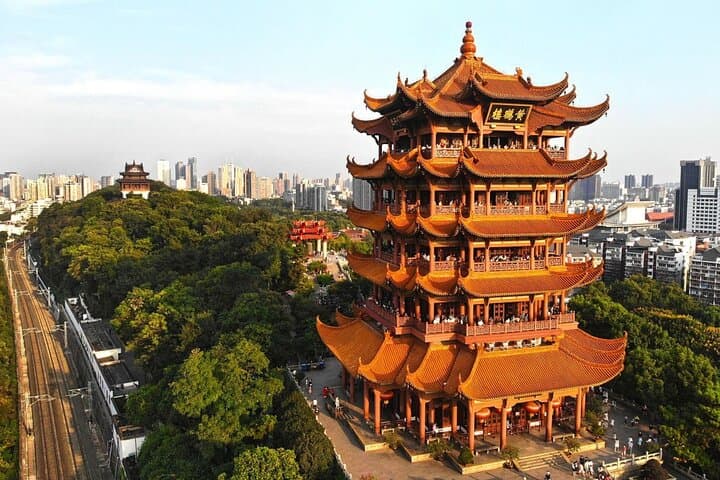
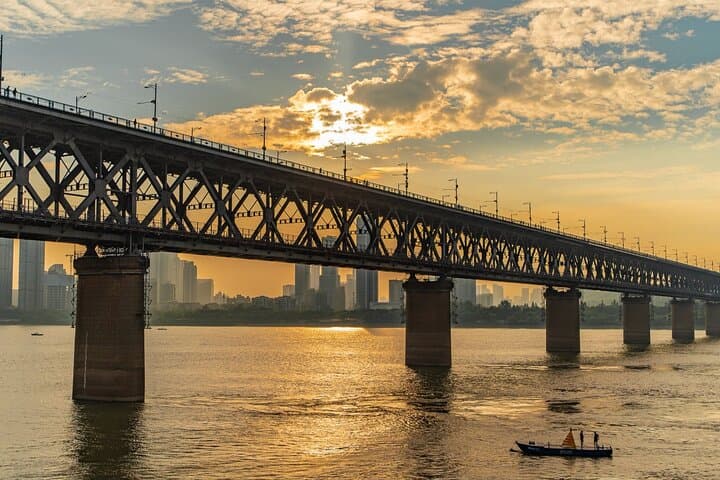
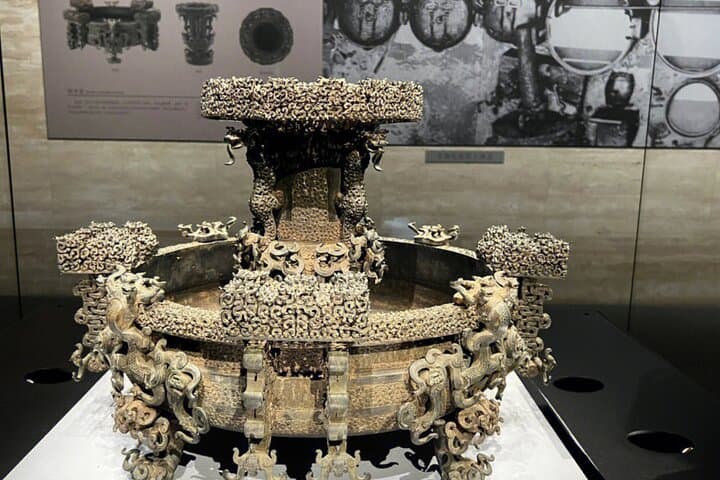
History sits upright here. Yellow Crane Tower crowns Snake Hill with pagoda roofs and centuries of poetry; from its upper terraces the Yangtze stretches like a deliberate neighbor, daring you to measure the city’s growth against its slow current. The Yangtze River Bridge follows, a 1957 engineering gesture that links Wuchang and Hanyang and marks modern China’s ambition in steel and stone. Later, the Hubei Provincial Museum gathers bronze bells and bamboo slips that map the region’s ancient bureaucracies and ritual music. Guiyuan Temple closes the loop—incense, carved Buddhas and a quieter civic rhythm.
Geology and urban form are plain in the view: fluvial plains shaped by seasonal floods, low hills puncturing the skyline, river islands that have long guided settlement and commerce. Culturally, expect a pragmatic openness—guides will explain local festivals, dialect nuances and the role of tea houses in daily negotiations.
Practical guidance: plan for a 7–8 hour private tour with hotel pickup; wear comfortable walking shoes, carry a refillable water bottle and a light rain layer. Midday can be hot and humid—schedule the museum and temple visits for the cooler afternoon. Bring cash for street food and small temple donations, and allow time to linger on the bridge for cityscape photos; the Yangtze’s pace will remind you why Wuhan has always been a crossroads of river and people.
easy.
7–8 hours.
Suitable for most fitness levels; involves repeated short walks and stair climbs.
This private itinerary runs about 7–8 hours with hotel pickup and return.
Admissions are included for the listed attractions—confirm specifics with your operator.
Yes; the activity is rated easy, but expect stairs at the tower and moderate walking—notify guides of mobility needs.
Yes; the tour includes lunch and local food stops—share restrictions at booking so guides can plan alternatives.
Yellow Crane Tower has been a literary and military landmark for over a millennium; the Yangtze River Bridge symbolized post-1949 engineering ambition.
River health and urban development are ongoing concerns—avoid littering, use designated paths and support local cultural preservation efforts.
Unique Beijing Tours operates guided outdoor trips and adventures with an emphasis on safety, stewardship, and memorable experiences.
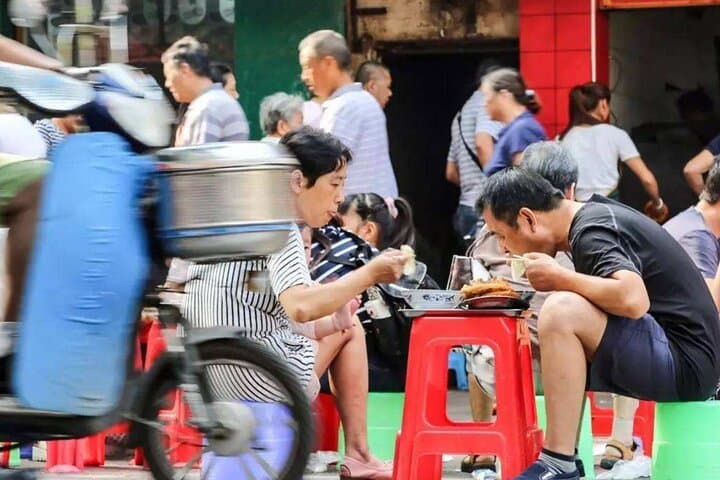
You step into Wuhan at dawn, when the city exhales steam from teapots and street stalls line the riverfront. The day begins in cramped alleys where locals queue for guozao—savory soy milk, scallion pancakes and fried dough—each bite a weathered, honest introduction to Hubei life.
You step into Wuhan at dawn, when the city exhales steam from teapots and street stalls line the riverfront. The day begins in cramped alleys where locals queue for guozao—savory soy milk, scallion pancakes and fried dough—each bite a weathered, honest introduction to Hubei life.
History sits upright here. Yellow Crane Tower crowns Snake Hill with pagoda roofs and centuries of poetry; from its upper terraces the Yangtze stretches like a deliberate neighbor, daring you to measure the city’s growth against its slow current. The Yangtze River Bridge follows, a 1957 engineering gesture that links Wuchang and Hanyang and marks modern China’s ambition in steel and stone. Later, the Hubei Provincial Museum gathers bronze bells and bamboo slips that map the region’s ancient bureaucracies and ritual music. Guiyuan Temple closes the loop—incense, carved Buddhas and a quieter civic rhythm.
Geology and urban form are plain in the view: fluvial plains shaped by seasonal floods, low hills puncturing the skyline, river islands that have long guided settlement and commerce. Culturally, expect a pragmatic openness—guides will explain local festivals, dialect nuances and the role of tea houses in daily negotiations.
Practical guidance: plan for a 7–8 hour private tour with hotel pickup; wear comfortable walking shoes, carry a refillable water bottle and a light rain layer. Midday can be hot and humid—schedule the museum and temple visits for the cooler afternoon. Bring cash for street food and small temple donations, and allow time to linger on the bridge for cityscape photos; the Yangtze’s pace will remind you why Wuhan has always been a crossroads of river and people.