
Wroclaw to Auschwitz-Birkenau and Krakow: Full-Day Historical Tour by Train
Travel by fast train from Wroclaw to Krakow, then visit the Auschwitz-Birkenau Memorial with an expert guide. This full-day experience combines reflective history at the camps with free time in Krakow’s UNESCO-listed Old Town.
An Adventure In Wroclaw.
Travel by fast train from Wroclaw to Krakow, then visit the Auschwitz-Birkenau Memorial with an expert guide. This full-day experience combines reflective history at the camps with free time in Krakow’s UNESCO-listed Old Town.
Read the full experience
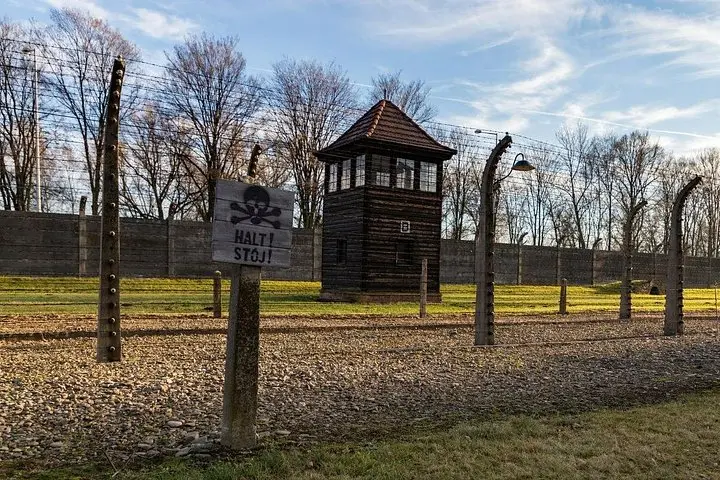
You step off a fast regional train at Krakow, the city air cool and full of church bells, then continue by minivan toward a landscape that flattens into fields and small towns. The road leads to Oświęcim — the location of Auschwitz-Birkenau — where concrete and brick remain as stark, demanding attention rather than admiration.
You step off a fast regional train at Krakow, the city air cool and full of church bells, then continue by minivan toward a landscape that flattens into fields and small towns. The road leads to Oświęcim — the location of Auschwitz-Birkenau — where concrete and brick remain as stark, demanding attention rather than admiration.
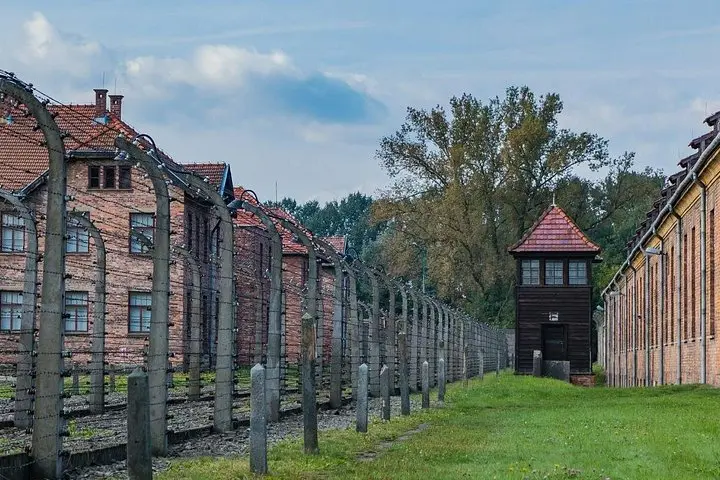
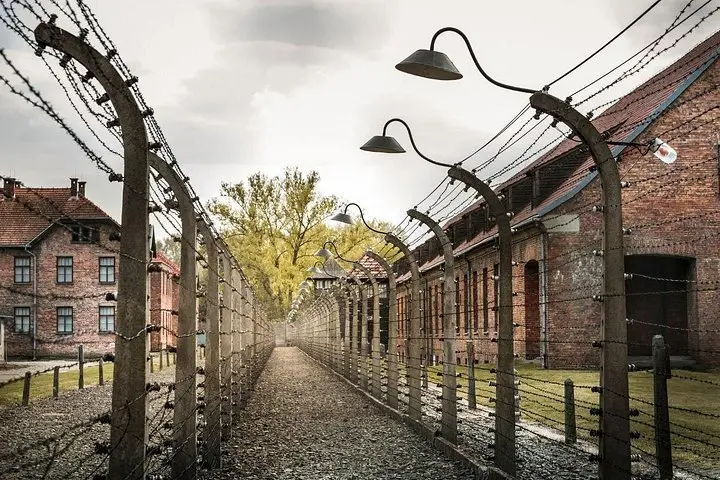
The site itself is modern history carved into 20th-century geopolitics: Auschwitz I (the original camp) and the sprawling wooden barracks of Auschwitz II–Birkenau are reminders of wartime policy, deportation routes and the industrial machinery of repression. Geologically the area is low-lying Silesian plains; terrain between Krakow and Oświęcim is largely flat, so travel is about distance and context rather than elevation.
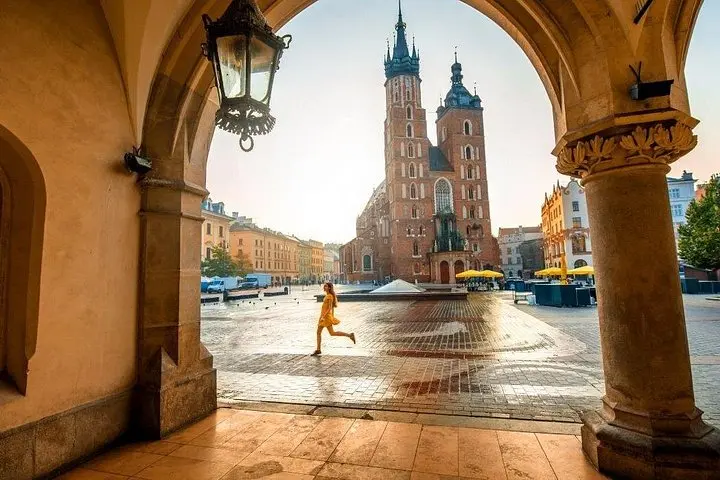
Krakow, by contrast, is medieval and resilient — a UNESCO-listed Old Town centered on Europe’s largest medieval market square, where stone roofs and Gothic spires face cobbled streets. The juxtaposition of the two places—memory and daily life—shapes the day.
Practical guidance: expect 3 hours by train each way (Wroclaw–Krakow return), a roughly 90-minute coach transfer to the memorial, and a guided museum tour of ~3.5 hours onsite. Walking is mostly on paved paths in Auschwitz I and gravel tracks in Birkenau; bring comfortable shoes and allow for long periods of standing. Photography is allowed in many outdoor areas but restricted in some exhibits; follow your guide’s instructions. Carry water, dress respectfully for a solemn site, and leave extra time if you plan to walk Krakow’s Old Town after the visit.
Frequently asked questions
The guided portion covers about 3.5 hours onsite—roughly 2 hours in Auschwitz I and about 1 hour in Birkenau—plus transfer time.
Photography is generally permitted outside, but some exhibits and personal artifacts may be restricted; follow the guide’s directions in sensitive areas.
Children can attend, but the content is solemn and may be distressing; organizers recommend parental discretion and note that participants should have moderate fitness to walk the site.
This tour includes skip-the-line museum tickets for Auschwitz-Birkenau and transportation between Krakow and the memorial, as well as 2nd-class train tickets Wroclaw–Krakow–Wroclaw.
About This Experience
Poland Travel operates guided outdoor trips and adventures with an emphasis on safety, stewardship, and memorable experiences.
Adventure tips
Recommended gear
- Comfortable walking shoes: Paved and gravel paths across the memorial require stable, supportive footwear for several hours.
- Light, weatherproof jacket: Spring can be cool and damp during transfers and outdoor sections.
- Refillable water bottle: Train and walking portions have limited on-site water options—staying hydrated is important.
- Small daypack: A compact pack keeps documents, snacks and layers organized during the long day.
Photos of the experience
Related adventures & guides
Read the full experience
You step off a fast regional train at Krakow, the city air cool and full of church bells, then continue by minivan toward a landscape that flattens into fields and small towns. The road leads to Oświęcim — the location of Auschwitz-Birkenau — where concrete and brick remain as stark, demanding attention rather than admiration.
You step off a fast regional train at Krakow, the city air cool and full of church bells, then continue by minivan toward a landscape that flattens into fields and small towns. The road leads to Oświęcim — the location of Auschwitz-Birkenau — where concrete and brick remain as stark, demanding attention rather than admiration.
The site itself is modern history carved into 20th-century geopolitics: Auschwitz I (the original camp) and the sprawling wooden barracks of Auschwitz II–Birkenau are reminders of wartime policy, deportation routes and the industrial machinery of repression. Geologically the area is low-lying Silesian plains; terrain between Krakow and Oświęcim is largely flat, so travel is about distance and context rather than elevation.
Krakow, by contrast, is medieval and resilient — a UNESCO-listed Old Town centered on Europe’s largest medieval market square, where stone roofs and Gothic spires face cobbled streets. The juxtaposition of the two places—memory and daily life—shapes the day.
Practical guidance: expect 3 hours by train each way (Wroclaw–Krakow return), a roughly 90-minute coach transfer to the memorial, and a guided museum tour of ~3.5 hours onsite. Walking is mostly on paved paths in Auschwitz I and gravel tracks in Birkenau; bring comfortable shoes and allow for long periods of standing. Photography is allowed in many outdoor areas but restricted in some exhibits; follow your guide’s instructions. Carry water, dress respectfully for a solemn site, and leave extra time if you plan to walk Krakow’s Old Town after the visit.
Make a day of it nearby.
Verified experiences and guided adventures in the surrounding area.