THE ADVENTURE COLLECTIVE® · Independent discovery and booking for outdoor travel

Cover Wrocław’s highlights in a fast, guided 2–3 hour bike tour that moves from Cathedral Island to the Old Town with short stops for photos and local context. Ideal for visitors who want a broad city introduction on two wheels.
Cover Wrocław’s highlights in a fast, guided 2–3 hour bike tour that moves from Cathedral Island to the Old Town with short stops for photos and local context. Ideal for visitors who want a broad city introduction on two wheels.
You roll away from the Market Square with cobbles clicking under your tires, the Oder River daring you to look for reflections between bridges. The air carries church bells from Cathedral Island (Ostrów Tumski) and the distant hum of tram lines; in two hours you’ve moved through centuries instead of days.
Verified experiences and guided adventures in the surrounding area.
Operated by Wrocmania - Tours And Games · Wrocław, Lower Silesian Voivodeship
You roll away from the Market Square with cobbles clicking under your tires, the Oder River daring you to look for reflections between bridges. The air carries church bells from Cathedral Island (Ostrów Tumski) and the distant hum of tram lines; in two hours you’ve moved through centuries instead of days.
Wrocław’s core is layered—Piast duchy foundations, Bohemian and Prussian architecture, and Polish post‑war renewal all visible from a cycle lane. Geology is subtle here: a lowland river city built on shifting islands and alluvial soil, which explains the many bridges and the wide riverbanks that shape the city’s public life.
Culturally, expect quick stops rather than long lectures: a glance at the Gothic cathedral, a photo by the Baroque university building, a peek at the panoramic Battle of Racławice painting from outside. Local guides emphasize the city’s living art—bronze dwarfs tucked into façades and Nadodrze’s street murals—so keep your eyes open between pedaling.
Practical guidance: the route is urban and mostly flat, suitable for most riders; expect cobblestones and tram tracks—keep a steady hand. Bring a lock if you want to step off for coffee, and hydrate: stops are frequent but fast. Morning or late‑afternoon departures avoid the midday sun and the busiest tram windows.
This tour is efficient—2–3 hours of city exploration that would take far longer on foot—offering a compact, sensory introduction to Wrocław before you decide where to linger.
easy.
2–3 hours.
Suitable for most people who can ride continuously for a couple of hours at a casual pace; basic stamina recommended.
You can bring your own bike or request a rental through the operator—confirm availability in advance.
Yes; the pace is relaxed and terrain flat, but participants should be comfortable riding in mixed urban traffic and crossing cobbles.
No—this tour focuses on exterior views and short stops; museum entry is not included.
Tours may run in light rain; check the operator’s cancellation policy for substantial weather issues and refund terms.
Ostrów Tumski is Wrocław’s oldest quarter and was the original seat of the city’s bishops; the area shows layers of Bohemian and Prussian influence before reintegration into Poland after WWII.
Stick to marked paths and riverbanks to protect riparian plants; support local guides who prioritize low‑impact city touring and small business stops.
Wrocmania - Tours And Games operates guided outdoor trips and adventures with an emphasis on safety, stewardship, and memorable experiences.
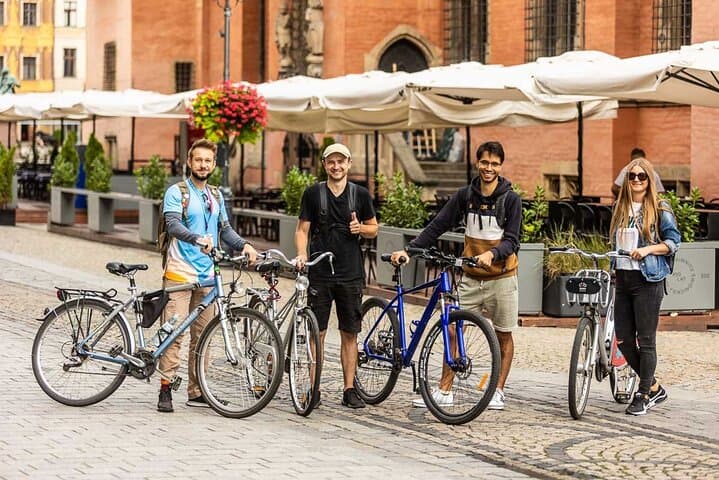
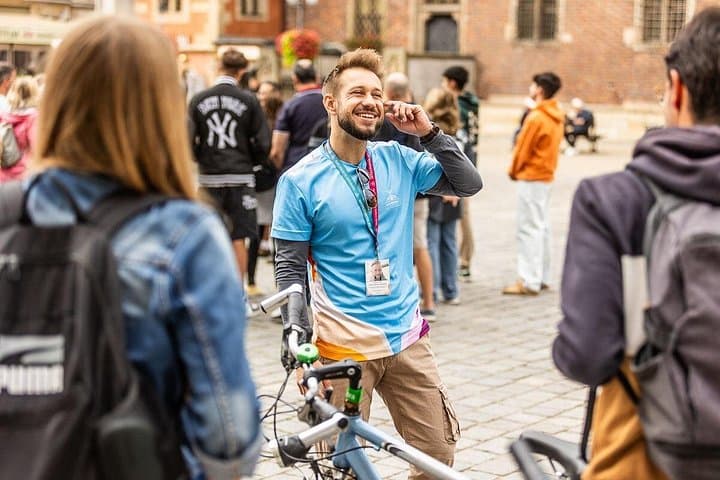
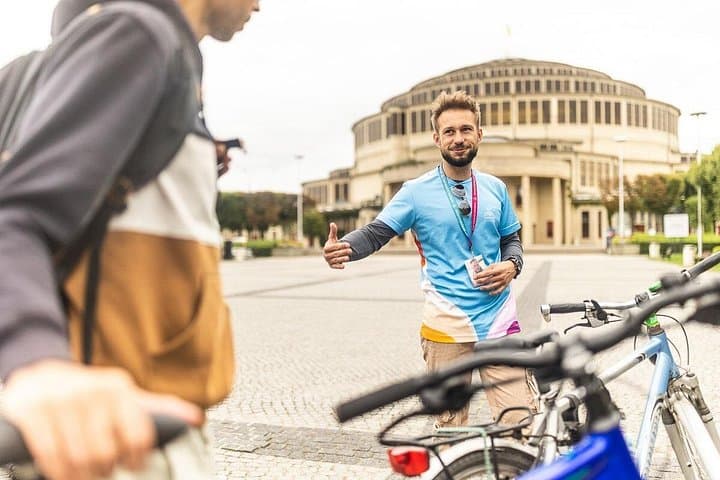
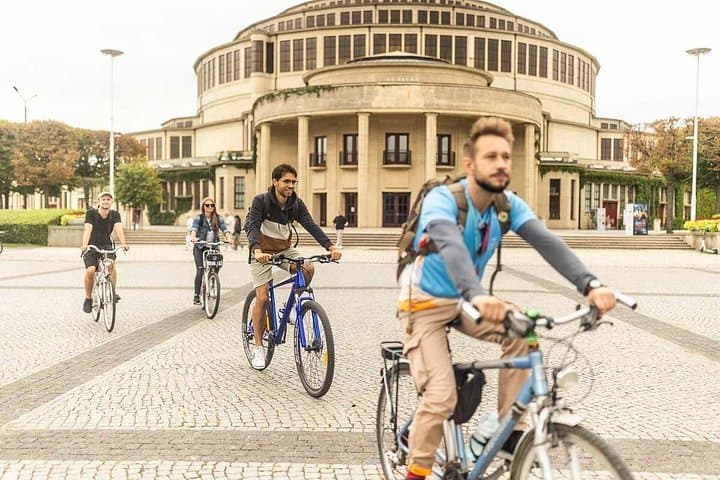
You roll away from the Market Square with cobbles clicking under your tires, the Oder River daring you to look for reflections between bridges. The air carries church bells from Cathedral Island (Ostrów Tumski) and the distant hum of tram lines; in two hours you’ve moved through centuries instead of days.
You roll away from the Market Square with cobbles clicking under your tires, the Oder River daring you to look for reflections between bridges. The air carries church bells from Cathedral Island (Ostrów Tumski) and the distant hum of tram lines; in two hours you’ve moved through centuries instead of days.
Wrocław’s core is layered—Piast duchy foundations, Bohemian and Prussian architecture, and Polish post‑war renewal all visible from a cycle lane. Geology is subtle here: a lowland river city built on shifting islands and alluvial soil, which explains the many bridges and the wide riverbanks that shape the city’s public life.
Culturally, expect quick stops rather than long lectures: a glance at the Gothic cathedral, a photo by the Baroque university building, a peek at the panoramic Battle of Racławice painting from outside. Local guides emphasize the city’s living art—bronze dwarfs tucked into façades and Nadodrze’s street murals—so keep your eyes open between pedaling.
Practical guidance: the route is urban and mostly flat, suitable for most riders; expect cobblestones and tram tracks—keep a steady hand. Bring a lock if you want to step off for coffee, and hydrate: stops are frequent but fast. Morning or late‑afternoon departures avoid the midday sun and the busiest tram windows.
This tour is efficient—2–3 hours of city exploration that would take far longer on foot—offering a compact, sensory introduction to Wrocław before you decide where to linger.