THE ADVENTURE COLLECTIVE® · Independent discovery and booking for outdoor travel

Follow the exact streets and viewpoints that inspired Bram Stoker’s Dracula on this 45–60 minute self-guided audio walk of Whitby. Explore harbourfront lanes, climb Jacob’s Ladder, and finish with views toward the dramatic Abbey.
Follow the exact streets and viewpoints that inspired Bram Stoker’s Dracula on this 45–60 minute self-guided audio walk of Whitby. Explore harbourfront lanes, climb Jacob’s Ladder, and finish with views toward the dramatic Abbey.
A salt wind pulls at your coat as you step out of Royal Crescent and onto the cobbled streets that Bram Stoker once walked. The town opens in layers — low harbourside roofs, a narrow bridge over the river, then the steep, worn steps that climb toward St Mary’s and the ruined Abbey. The audio tour places you on those streets, guiding you past the whale bone viewpoint, through tight medieval alleys and toward the grave-marked churchyard where atmosphere feels almost deliberate.
Verified experiences and guided adventures in the surrounding area.
Operated by VoiceMap Audio Tours · Whitby, North Yorkshire
A salt wind pulls at your coat as you step out of Royal Crescent and onto the cobbled streets that Bram Stoker once walked. The town opens in layers — low harbourside roofs, a narrow bridge over the river, then the steep, worn steps that climb toward St Mary’s and the ruined Abbey. The audio tour places you on those streets, guiding you past the whale bone viewpoint, through tight medieval alleys and toward the grave-marked churchyard where atmosphere feels almost deliberate.
Whitby’s cliffs are Jurassic sandstone and shale, eroded by North Sea storms; the harbour’s fishing history and 19th-century seafaring legends feed the town’s melancholic character. Stoker visited in 1890 and drew directly from the town’s shipwreck stories, place names and local research — elements that shaped Dracula’s Demeter and the book’s coastal scenes.
Practically, the route is a gentle 45–60 minute walk with short steep sections (Jacob’s Ladder/199 steps) and uneven medieval paving. Expect gull calls, wet stone underfoot, and frequent photo stops. The audio app works offline; bring a charged phone and headphones. If you plan to enter Whitby Abbey after the walk, allow 30–60 extra minutes and a small admission fee. Peak season crowds can slow progress along narrow passages; mornings and late afternoons are quieter. Public transport and parking are available near the start point, and the tour provides lifetime access so you can revisit sections at your own pace.
This is a cultural coastal walk more than a strenuous hike — ideal for history buffs who want place-based context with practical route guidance.
easy.
45–60 minutes.
Suitable for most fitness levels; be prepared for one set of steep steps and short cobbled climbs.
The audio tour and walking time are estimated at 45–60 minutes; allow extra time to enter Whitby Abbey or stop at museums and pubs.
Many streets and viewpoints have uneven cobbles and steps (including Jacob’s Ladder), so full accessibility is limited; parts of the seafront are accessible but the full route is not wheelchair-friendly.
Yes—download the tour app and its offline audio/maps before you lose mobile signal; the booking includes lifetime access so you can download in advance.
No—viewing the Abbey from outside is part of the tour, but visiting the ruins requires a separate paid ticket arranged at the site.
Whitby’s 18th–19th century whaling and fishing economy, plus Stoker’s 1890 visit and local library research, directly influenced scenes and characters in Dracula.
Erosion of the sandstone cliffs and footpath wear are ongoing concerns; stick to marked paths, pack out litter, and respect protected historic sites like the Abbey.
VoiceMap Audio Tours operates guided outdoor trips and adventures with an emphasis on safety, stewardship, and memorable experiences.
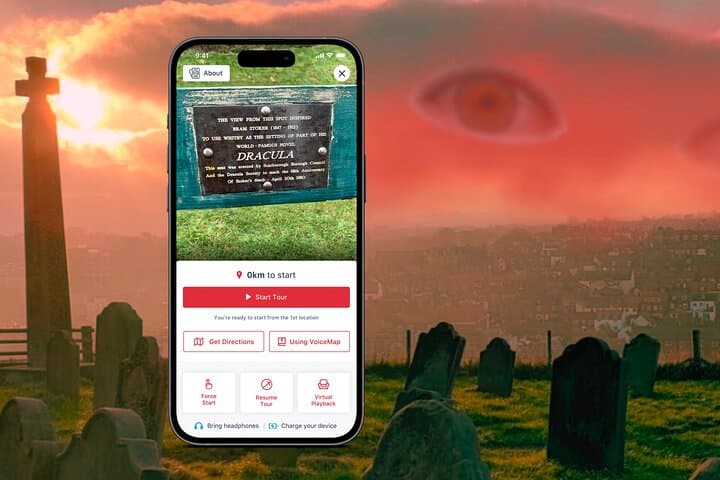
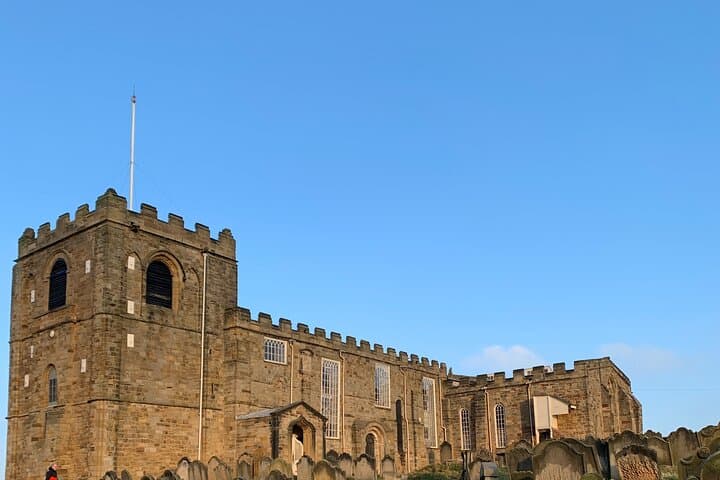
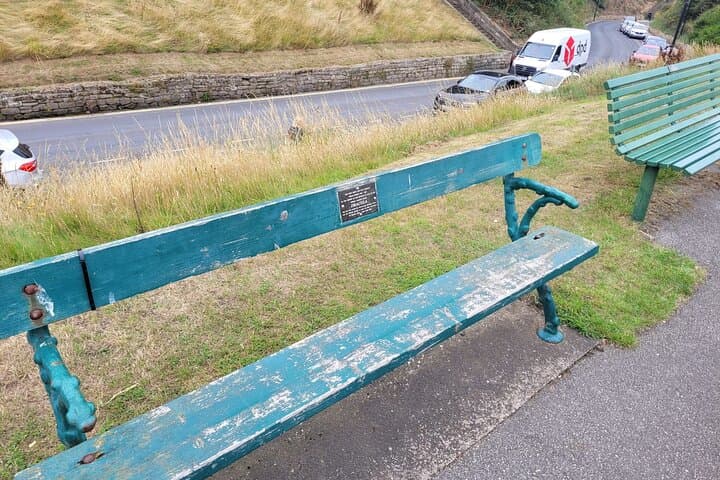
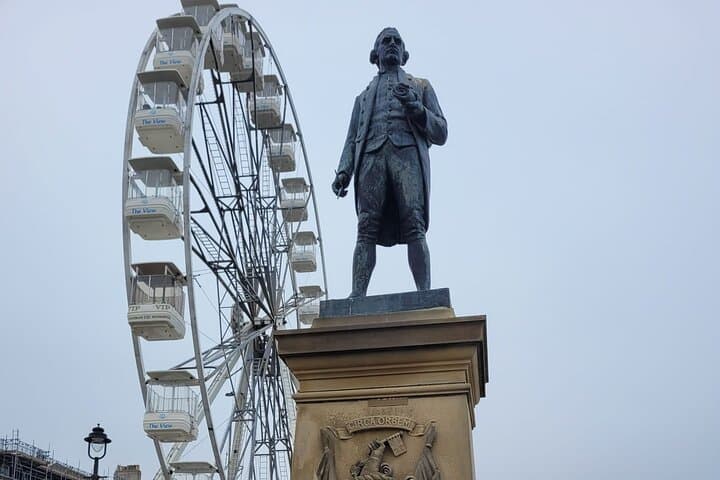
A salt wind pulls at your coat as you step out of Royal Crescent and onto the cobbled streets that Bram Stoker once walked. The town opens in layers — low harbourside roofs, a narrow bridge over the river, then the steep, worn steps that climb toward St Mary’s and the ruined Abbey. The audio tour places you on those streets, guiding you past the whale bone viewpoint, through tight medieval alleys and toward the grave-marked churchyard where atmosphere feels almost deliberate.
A salt wind pulls at your coat as you step out of Royal Crescent and onto the cobbled streets that Bram Stoker once walked. The town opens in layers — low harbourside roofs, a narrow bridge over the river, then the steep, worn steps that climb toward St Mary’s and the ruined Abbey. The audio tour places you on those streets, guiding you past the whale bone viewpoint, through tight medieval alleys and toward the grave-marked churchyard where atmosphere feels almost deliberate.
Whitby’s cliffs are Jurassic sandstone and shale, eroded by North Sea storms; the harbour’s fishing history and 19th-century seafaring legends feed the town’s melancholic character. Stoker visited in 1890 and drew directly from the town’s shipwreck stories, place names and local research — elements that shaped Dracula’s Demeter and the book’s coastal scenes.
Practically, the route is a gentle 45–60 minute walk with short steep sections (Jacob’s Ladder/199 steps) and uneven medieval paving. Expect gull calls, wet stone underfoot, and frequent photo stops. The audio app works offline; bring a charged phone and headphones. If you plan to enter Whitby Abbey after the walk, allow 30–60 extra minutes and a small admission fee. Peak season crowds can slow progress along narrow passages; mornings and late afternoons are quieter. Public transport and parking are available near the start point, and the tour provides lifetime access so you can revisit sections at your own pace.
This is a cultural coastal walk more than a strenuous hike — ideal for history buffs who want place-based context with practical route guidance.