THE ADVENTURE COLLECTIVE® · Independent discovery and booking for outdoor travel

Step into one of baseball’s most storied venues and feel the pulse of Wrigley Field — ivy, manual scoreboard, and the roar of devoted fans. This guide covers what to expect, local context, and practical tips to make the most of a Cubs home game.
Step into one of baseball’s most storied venues and feel the pulse of Wrigley Field — ivy, manual scoreboard, and the roar of devoted fans. This guide covers what to expect, local context, and practical tips to make the most of a Cubs home game.
You push through a gate and the stadium opens like a living room for an entire city — voices rise, the scoreboard flicks to life, and the smell of grilled sausages and popcorn rides the breeze down Addison Street. Wrigley Field’s compact bowl keeps the action intimate: the crack of the bat feels immediate, the ivy on the outfield wall seems to lean in, and from certain sections the rooftops across the street press into the skyline.
Verified experiences and guided adventures in the surrounding area.
Operated by Sports Where I Am · Chicago, Illinois
You push through a gate and the stadium opens like a living room for an entire city — voices rise, the scoreboard flicks to life, and the smell of grilled sausages and popcorn rides the breeze down Addison Street. Wrigley Field’s compact bowl keeps the action intimate: the crack of the bat feels immediate, the ivy on the outfield wall seems to lean in, and from certain sections the rooftops across the street press into the skyline.
Wrigley debuted in 1914 and carries baseball history in its bones: manual scoreboard, exposed brick, and the memory of the 2016 World Series that ended a 108-year drought. The park sits in a dense, tree-lined neighborhood a few miles from Lake Michigan — the lake’s influence on weather can mean sudden gusts or a sunlit afternoon. The culture here is as much neighborhood as sport: local bars, rooftop seats on adjacent buildings, and fans who treat game day as ritual.
Practical guidance: arrive early to pass security and to catch batting practice or pregame activities; use the MLB Ballpark App for your mobile ticket and venue info. Public transit is often faster than driving — parking is limited and expensive. Dress in layers for wind off the lake and bring cashless payment options. If you want a quieter view, head toward the left-field bleachers for skyline sightlines or explore the rooftop bars along Sheffield for a different vantage. Expect lively crowds, straightforward concessions, and the kind of communal energy that turns a three-hour game into a shared city event.
easy.
3 hours.
Suitable for all fitness levels; expect standing, walking short distances, and stair use
No — tickets are digital and accessed via the MLB Ballpark App; download and log into the app before you arrive.
Small clear bags are generally allowed per stadium policy; check Wrigley Field’s current bag and security rules before your visit.
Plan to arrive 45–60 minutes before first pitch to get through security, find concessions, and enjoy pregame activities.
Concessions offer a range of options; for specific dietary needs check stadium food vendor information in the Ballpark App or contact guest services.
Opened in 1914 and updated over decades, Wrigley Field preserves manual-scoreboard tradition and carries the lore of the Cubs’ 2016 World Series victory.
The ballpark and neighborhood encourage transit use to reduce event-day congestion; follow venue recycling guidelines and dispose of waste at designated stations.
Sports Where I Am operates guided outdoor trips and adventures with an emphasis on safety, stewardship, and memorable experiences.
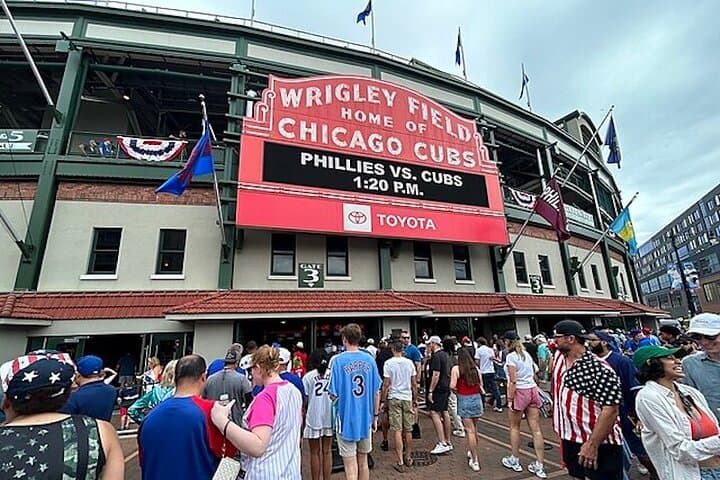
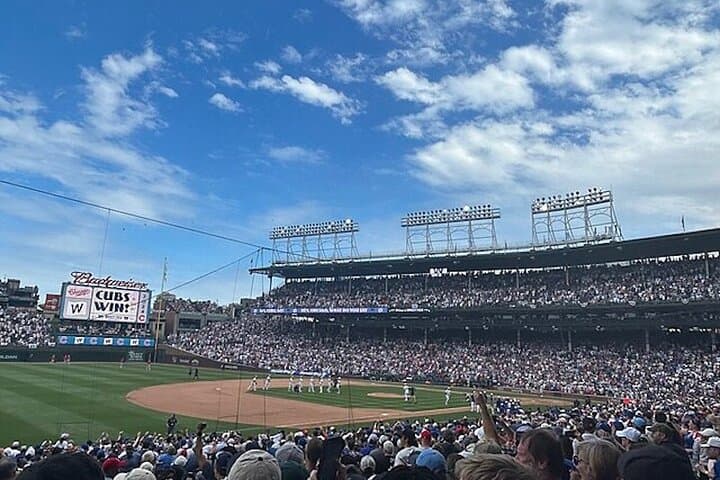
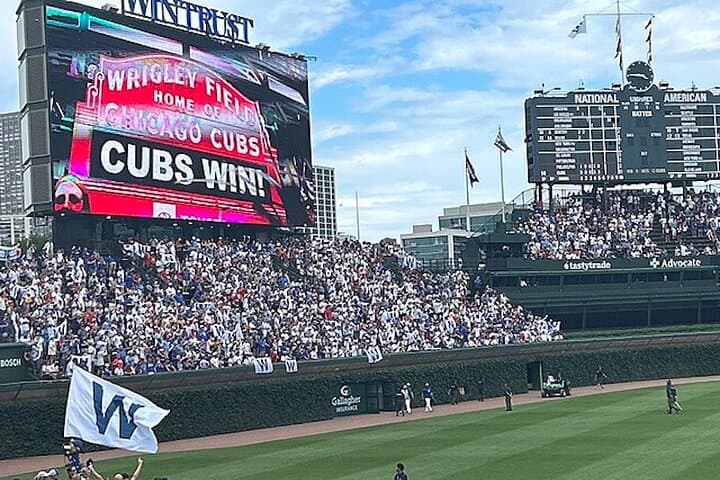
You push through a gate and the stadium opens like a living room for an entire city — voices rise, the scoreboard flicks to life, and the smell of grilled sausages and popcorn rides the breeze down Addison Street. Wrigley Field’s compact bowl keeps the action intimate: the crack of the bat feels immediate, the ivy on the outfield wall seems to lean in, and from certain sections the rooftops across the street press into the skyline.
You push through a gate and the stadium opens like a living room for an entire city — voices rise, the scoreboard flicks to life, and the smell of grilled sausages and popcorn rides the breeze down Addison Street. Wrigley Field’s compact bowl keeps the action intimate: the crack of the bat feels immediate, the ivy on the outfield wall seems to lean in, and from certain sections the rooftops across the street press into the skyline.
Wrigley debuted in 1914 and carries baseball history in its bones: manual scoreboard, exposed brick, and the memory of the 2016 World Series that ended a 108-year drought. The park sits in a dense, tree-lined neighborhood a few miles from Lake Michigan — the lake’s influence on weather can mean sudden gusts or a sunlit afternoon. The culture here is as much neighborhood as sport: local bars, rooftop seats on adjacent buildings, and fans who treat game day as ritual.
Practical guidance: arrive early to pass security and to catch batting practice or pregame activities; use the MLB Ballpark App for your mobile ticket and venue info. Public transit is often faster than driving — parking is limited and expensive. Dress in layers for wind off the lake and bring cashless payment options. If you want a quieter view, head toward the left-field bleachers for skyline sightlines or explore the rooftop bars along Sheffield for a different vantage. Expect lively crowds, straightforward concessions, and the kind of communal energy that turns a three-hour game into a shared city event.