THE ADVENTURE COLLECTIVE® · Independent discovery and booking for outdoor travel

Colombo’s coast hides shipwrecks that have become thriving reefs—an advanced diver’s chance to swim through maritime history amid coral and schooling fish. Learn what to expect from currents, visibility, and the certifications required to explore these unique sites.
Colombo’s coast hides shipwrecks that have become thriving reefs—an advanced diver’s chance to swim through maritime history amid coral and schooling fish. Learn what to expect from currents, visibility, and the certifications required to explore these unique sites.
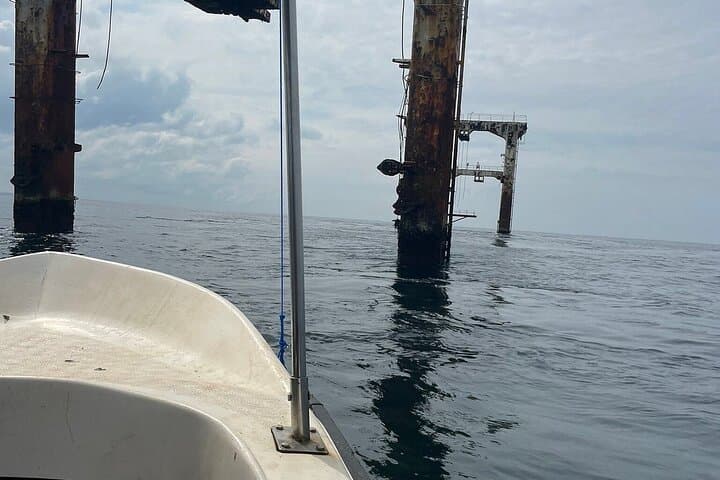
The boat eases away from Colombo’s low concrete skyline and the harbor opens into a blue that dares you to look beneath it. Within minutes the city noise fades and the ocean’s pull becomes the day’s rhythm; swells hum, currents test, and coral-scarred hulls lie waiting like submerged pages of history.
Verified experiences and guided adventures in the surrounding area.
Operated by ZRI Adventures · Colombo, Western Province
The boat eases away from Colombo’s low concrete skyline and the harbor opens into a blue that dares you to look beneath it. Within minutes the city noise fades and the ocean’s pull becomes the day’s rhythm; swells hum, currents test, and coral-scarred hulls lie waiting like submerged pages of history.
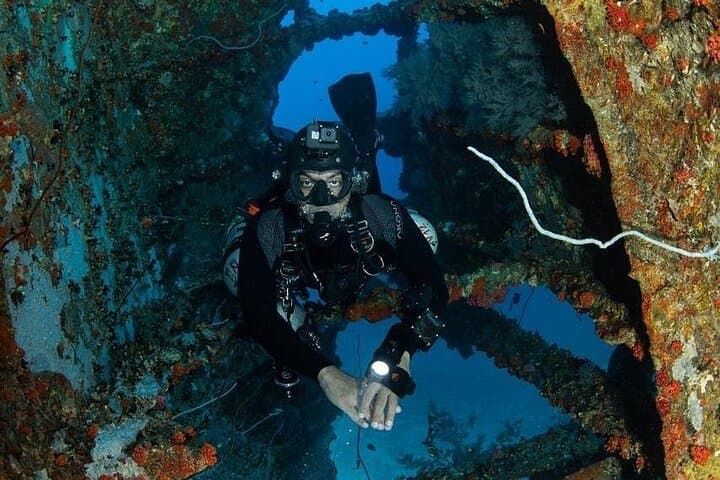
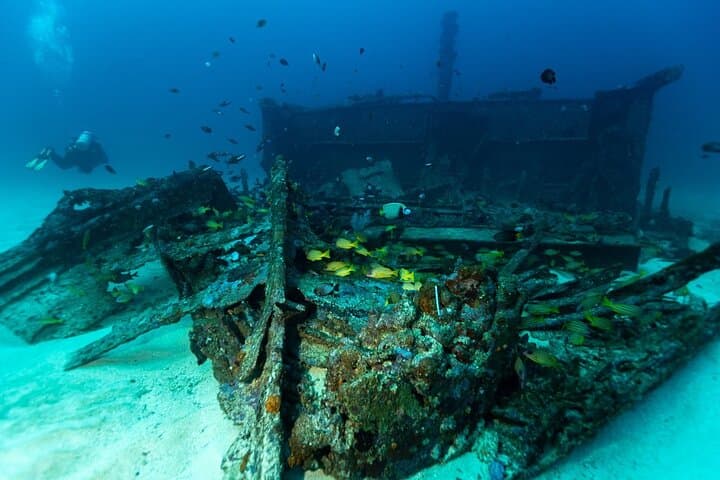
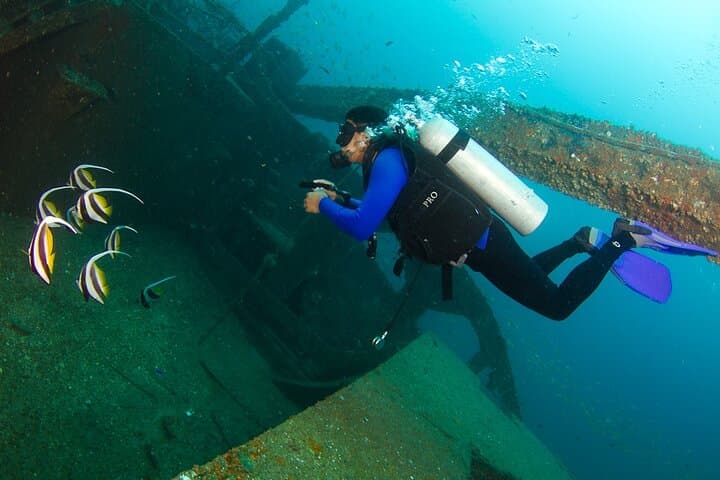
Colombo’s coastline is littered with wrecks from the Age of Steam and wartime merchant vessels—ships sunk by conflict or storms that over decades have become artificial reefs. Geologically the shelf off western Sri Lanka drops away gradually, creating shallow wrecks ringed by patch reefs that attract schooling fusiliers, snappers, and curious moray eels. The dives here are as much archaeology as ecology: iron and timber framed now in coral growth, local fish species reclaiming manmade structures.
Culturally, diving from Colombo mixes urban convenience with traditional fishing communities; post-dive, you’ll find street-side seafood and local fishermen mending nets—reminders that the sea is a working landscape.
Practically, this is a wreck-diving destination for certified, fit divers: expect 60–90 minute bottom times, boat rides up to 30 minutes, and variable visibility (5–20 m). Bring a dive computer, redundant light for wreck interiors, and a stout 5 mm suit for longer exposures. Respect marine life and avoid stirring silt during penetration. Morning trips often offer the calmest seas; plan dives with operators who brief on current, depth limits, and emergency procedures. With the right certification and preparation, Colombo delivers compelling, history-rich dives that reward careful, experienced divers.
challenging.
2 hours (boat + two dives possible).
Requires above-average fitness—able to carry gear, surface-swim if needed, and handle choppy boat transfers.
Yes—operators require at least an open-water scuba certification; advanced wreck penetration needs additional training and experience.
Visibility varies from about 5–20 meters; wrecks commonly sit between 12–30 meters depth, with some shallower or deeper sites available.
Some operators offer confined water courses or supervised shallow dives for novices, but most Colombo wreck sites are recommended for experienced, certified divers only.
Teams use lines, lights, redundant air planning, and restrict penetration to properly trained divers; always follow the dive briefing and depth limits.
Several wrecks off Colombo date to World War I merchant losses and later steamship sinkings, with one modern vessel sunk in 2012 joining older wreck sites.
Wrecks function as artificial reefs—diver behavior affects coral growth and fish habitat; operators encourage no-touch practices and local reef-clean initiatives.
ZRI Adventures operates guided outdoor trips and adventures with an emphasis on safety, stewardship, and memorable experiences.
The boat eases away from Colombo’s low concrete skyline and the harbor opens into a blue that dares you to look beneath it. Within minutes the city noise fades and the ocean’s pull becomes the day’s rhythm; swells hum, currents test, and coral-scarred hulls lie waiting like submerged pages of history.
The boat eases away from Colombo’s low concrete skyline and the harbor opens into a blue that dares you to look beneath it. Within minutes the city noise fades and the ocean’s pull becomes the day’s rhythm; swells hum, currents test, and coral-scarred hulls lie waiting like submerged pages of history.
Colombo’s coastline is littered with wrecks from the Age of Steam and wartime merchant vessels—ships sunk by conflict or storms that over decades have become artificial reefs. Geologically the shelf off western Sri Lanka drops away gradually, creating shallow wrecks ringed by patch reefs that attract schooling fusiliers, snappers, and curious moray eels. The dives here are as much archaeology as ecology: iron and timber framed now in coral growth, local fish species reclaiming manmade structures.
Culturally, diving from Colombo mixes urban convenience with traditional fishing communities; post-dive, you’ll find street-side seafood and local fishermen mending nets—reminders that the sea is a working landscape.
Practically, this is a wreck-diving destination for certified, fit divers: expect 60–90 minute bottom times, boat rides up to 30 minutes, and variable visibility (5–20 m). Bring a dive computer, redundant light for wreck interiors, and a stout 5 mm suit for longer exposures. Respect marine life and avoid stirring silt during penetration. Morning trips often offer the calmest seas; plan dives with operators who brief on current, depth limits, and emergency procedures. With the right certification and preparation, Colombo delivers compelling, history-rich dives that reward careful, experienced divers.