THE ADVENTURE COLLECTIVE® · Independent discovery and booking for outdoor travel

Make modern wood-wick soy candles in a hands-on Newark workshop. Learn safe melting, scent blending, and finishing techniques, and leave with custom candles ready to gift or keep.
Make modern wood-wick soy candles in a hands-on Newark workshop. Learn safe melting, scent blending, and finishing techniques, and leave with custom candles ready to gift or keep.
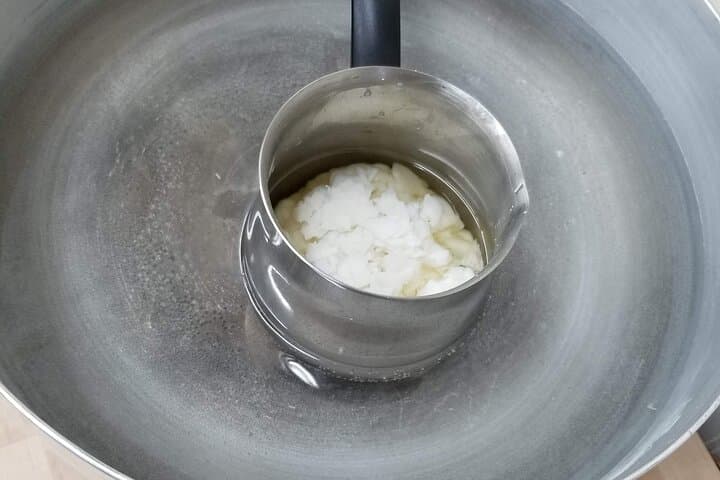
The room smells faintly of warmed soy and citrus as participants gather around a long worktable, tools laid out like a compact studio for experimentation. A small flame from a demonstration candle throws a steady, crackling light—wood wicks are as much about sound as scent—and the instructor walks the group through melting, scenting, and pouring with calm, practiced detail.
Verified experiences and guided adventures in the surrounding area.
Operated by The Eclectic Chic Boutique · Newark, New Jersey
The room smells faintly of warmed soy and citrus as participants gather around a long worktable, tools laid out like a compact studio for experimentation. A small flame from a demonstration candle throws a steady, crackling light—wood wicks are as much about sound as scent—and the instructor walks the group through melting, scenting, and pouring with calm, practiced detail.
Candle making is an ancient craft; in colonial New Jersey, tallow and bayberry candles filled homes before manufactured wax replaced them. Newark’s industrial past—warehouses and factories along the Passaic—helped build a local culture of hands-on trades that persists in today’s maker spaces and studios. The workshop sits in an urban neighborhood with easy access to the Ironbound’s bakeries and Branch Brook Park’s cherry trees, giving a visitor practical options for breakfast or a post-class walk.
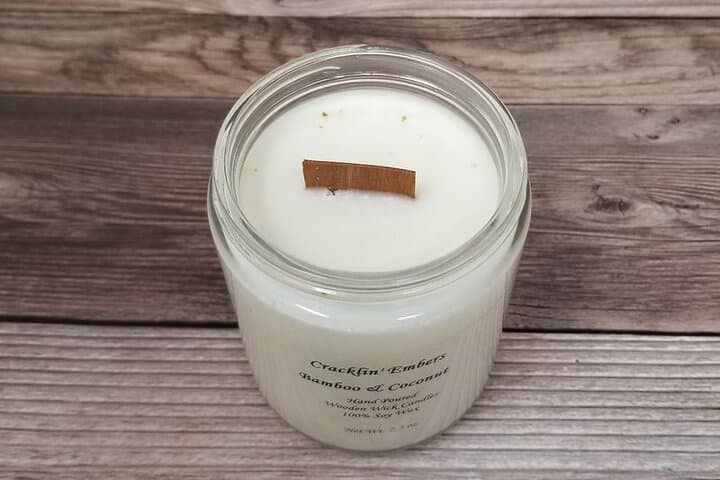
The class focuses on soy wax and modern fragrance oils, with emphasis on wood wicks that burn cooler and offer a gentle crackle. Expect a short safety briefing, a demo of temperature and fragrance ratios, and guided time to create 1–2 candles you can take home. Materials and tools are provided; no prior experience is necessary.
Practical guidance: wear closed-toe shoes and a short-sleeve or fitted long-sleeve top to avoid loose fabric near heated equipment. Plan 90–105 minutes and allow cooling time in your schedule; hot wax will need at least 30 minutes to set before handling. If traveling by transit, bring a box or bag to protect finished candles in transit and avoid extreme temperature exposure on hot or freezing days.
easy.
1.5–2 hours.
Minimal physical exertion; suitable for most fitness levels but requires standing and fine-motor coordination.
Yes — materials and tools are included and participants take home the candles they make once they have cooled and set.
Absolutely — the class is designed for beginners and includes a full safety briefing and step-by-step instruction.
Families should check with the operator, but many studios allow teens with adult supervision; infants are typically required to sit on laps and not participate directly.
Most introductory classes provide standard fragrance options and containers; bring your own only if the studio confirms it in advance due to safety and space considerations.
Candle making has roots in pre-industrial lighting; Newark’s manufacturing history fostered a local culture of hands-on trades and maker studios.
Choose soy wax and refillable containers to reduce paraffin use and packaging waste; recycle or repurpose jars instead of discarding them.
The Eclectic Chic Boutique operates guided outdoor trips and adventures with an emphasis on safety, stewardship, and memorable experiences.
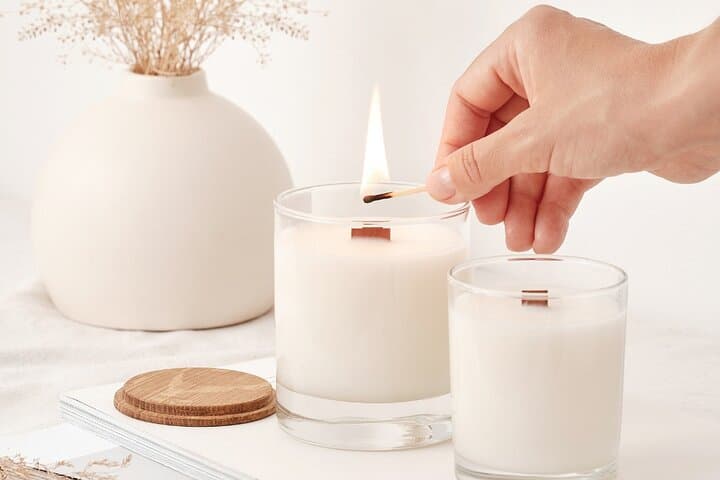
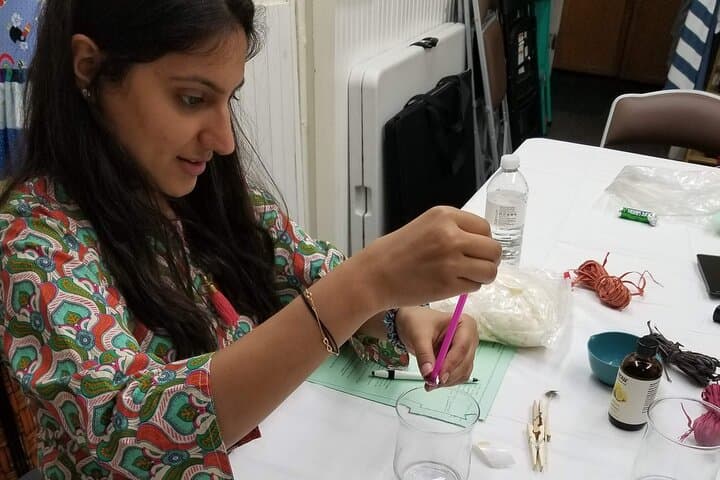
The room smells faintly of warmed soy and citrus as participants gather around a long worktable, tools laid out like a compact studio for experimentation. A small flame from a demonstration candle throws a steady, crackling light—wood wicks are as much about sound as scent—and the instructor walks the group through melting, scenting, and pouring with calm, practiced detail.
The room smells faintly of warmed soy and citrus as participants gather around a long worktable, tools laid out like a compact studio for experimentation. A small flame from a demonstration candle throws a steady, crackling light—wood wicks are as much about sound as scent—and the instructor walks the group through melting, scenting, and pouring with calm, practiced detail.
Candle making is an ancient craft; in colonial New Jersey, tallow and bayberry candles filled homes before manufactured wax replaced them. Newark’s industrial past—warehouses and factories along the Passaic—helped build a local culture of hands-on trades that persists in today’s maker spaces and studios. The workshop sits in an urban neighborhood with easy access to the Ironbound’s bakeries and Branch Brook Park’s cherry trees, giving a visitor practical options for breakfast or a post-class walk.
The class focuses on soy wax and modern fragrance oils, with emphasis on wood wicks that burn cooler and offer a gentle crackle. Expect a short safety briefing, a demo of temperature and fragrance ratios, and guided time to create 1–2 candles you can take home. Materials and tools are provided; no prior experience is necessary.
Practical guidance: wear closed-toe shoes and a short-sleeve or fitted long-sleeve top to avoid loose fabric near heated equipment. Plan 90–105 minutes and allow cooling time in your schedule; hot wax will need at least 30 minutes to set before handling. If traveling by transit, bring a box or bag to protect finished candles in transit and avoid extreme temperature exposure on hot or freezing days.