THE ADVENTURE COLLECTIVE® · Independent discovery and booking for outdoor travel

Walk among white-barked birch trees and inspect a frozen waterfall on a full-day winter tour from Seoul. Expect icy trails, crampons, and broad mountain views across Gangwon’s Taebaek foothills.
Walk among white-barked birch trees and inspect a frozen waterfall on a full-day winter tour from Seoul. Expect icy trails, crampons, and broad mountain views across Gangwon’s Taebaek foothills.
A thin winter sun slides between birch trunks as you step from the minibus onto a silver forest floor — trunks bright against a sky the color of steel. The Wondae-ri birch grove in Inje unfurls in neat rows; the trees stand like quiet columns guiding you into a highland stillness. Later, the Yongdaeri Maebawi icewall waits downstream, its frozen cascades catching light and breaking it into shards.
Verified experiences and guided adventures in the surrounding area.
Operated by Lecirt · Inje, Gangwon-do
A thin winter sun slides between birch trunks as you step from the minibus onto a silver forest floor — trunks bright against a sky the color of steel. The Wondae-ri birch grove in Inje unfurls in neat rows; the trees stand like quiet columns guiding you into a highland stillness. Later, the Yongdaeri Maebawi icewall waits downstream, its frozen cascades catching light and breaking it into shards.
Geologically, these slopes sit on the eastern spurs of the Taebaek Range; glacially scoured valleys and quick-draining soils favor white birch, a hardy pioneer species that colonized the area after past logging and shifting agricultural use. Culturally, Gangwon-do’s mountain communities long used birch for fuel and simple tools, and today the grove is a seasonal draw that supports local guides and small tourism services.
Practically, expect a full-day outing (about 11–12 hours including transfers). The main forest route is roughly 3.2 km one way, mostly gentle but icy in winter; crampons are required and can be lent on site. Dress in insulated layers, waterproof boots, and bring windproof outerwear — the wind from the Taebaek ridgelines will test thin jackets. Hydrate before you start and carry snacks; photo stops add time but also warmth.
Timing matters: arrive midmorning for softer light and firmer snow underfoot, and plan your return before dusk — roads through Inje can be narrow and slow in winter. The experience balances panoramic winter views with compact, manageable hiking, ideal for travelers comfortable with cold-weather walking and basic ice gear.
moderate.
11–12 hours.
Moderate fitness; able to walk 3–5 km on icy, uneven ground and tolerate long vehicle transfers.
Yes — the tour notes that crampons can be lent on site; confirm sizes in advance so organizers can prepare.
Pickup points are in Seoul (Hongik Univ. Station Exit 4; Myeongdong Station Exit 3; Dongdaemun History & Culture Park Exit 10) with morning departures; return to the same stops in the evening.
Infants must sit on an adult’s lap during transit; the walking requires moderate fitness and is best for children accustomed to cold-weather hikes.
Full refund if canceled at least 24 hours before departure; the operator may cancel for bad weather or insufficient travelers and will offer alternatives or refunds.
The Wondae-ri birch stands are largely second-growth following past logging and agricultural change; they now form a seasonal scenic resource for Inje’s winter tourism.
Stay on designated paths to protect fragile understory and prevent erosion; avoid hammering or breaking ice sculptures and pack out all trash.
Lecirt operates guided outdoor trips and adventures with an emphasis on safety, stewardship, and memorable experiences.
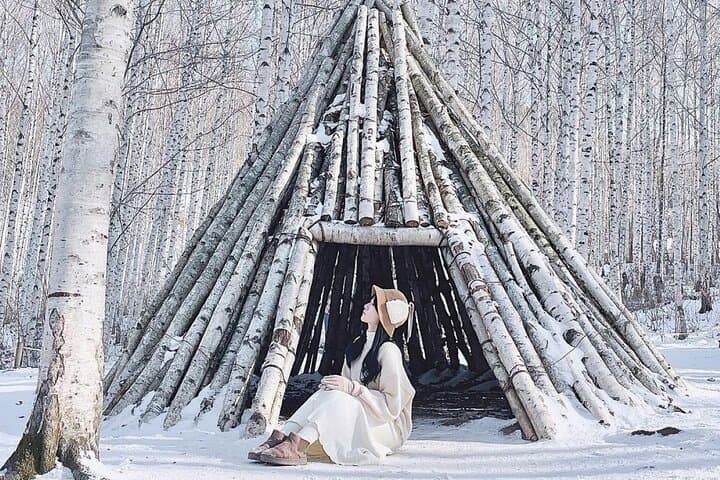
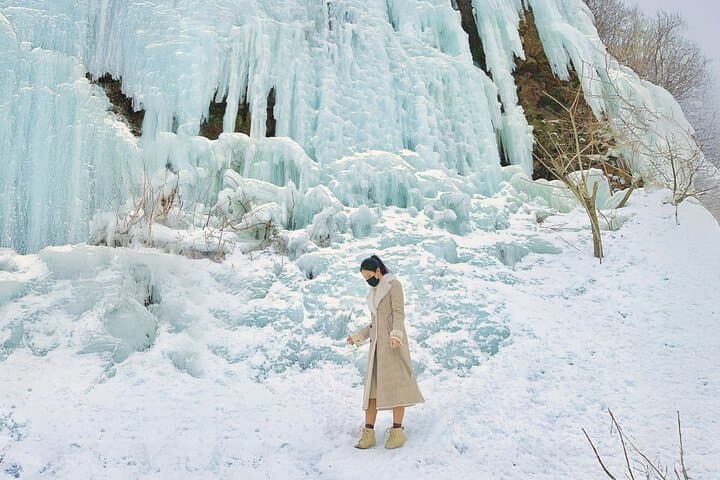
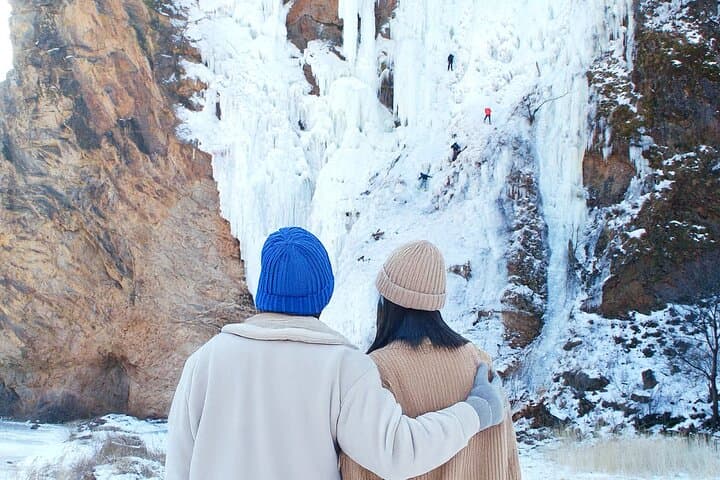
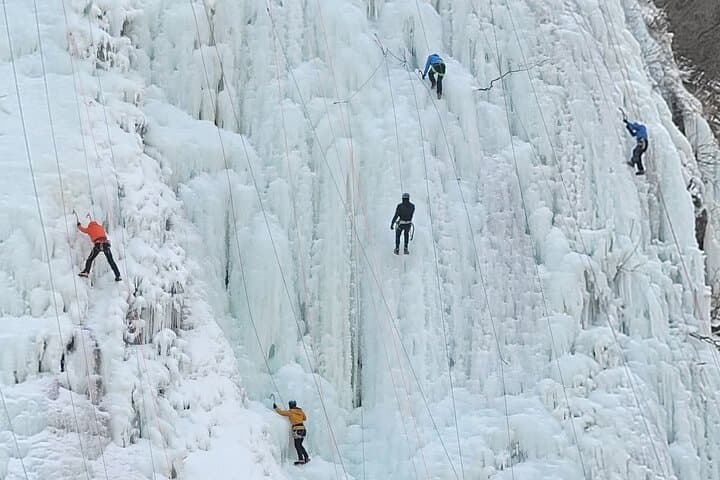
A thin winter sun slides between birch trunks as you step from the minibus onto a silver forest floor — trunks bright against a sky the color of steel. The Wondae-ri birch grove in Inje unfurls in neat rows; the trees stand like quiet columns guiding you into a highland stillness. Later, the Yongdaeri Maebawi icewall waits downstream, its frozen cascades catching light and breaking it into shards.
A thin winter sun slides between birch trunks as you step from the minibus onto a silver forest floor — trunks bright against a sky the color of steel. The Wondae-ri birch grove in Inje unfurls in neat rows; the trees stand like quiet columns guiding you into a highland stillness. Later, the Yongdaeri Maebawi icewall waits downstream, its frozen cascades catching light and breaking it into shards.
Geologically, these slopes sit on the eastern spurs of the Taebaek Range; glacially scoured valleys and quick-draining soils favor white birch, a hardy pioneer species that colonized the area after past logging and shifting agricultural use. Culturally, Gangwon-do’s mountain communities long used birch for fuel and simple tools, and today the grove is a seasonal draw that supports local guides and small tourism services.
Practically, expect a full-day outing (about 11–12 hours including transfers). The main forest route is roughly 3.2 km one way, mostly gentle but icy in winter; crampons are required and can be lent on site. Dress in insulated layers, waterproof boots, and bring windproof outerwear — the wind from the Taebaek ridgelines will test thin jackets. Hydrate before you start and carry snacks; photo stops add time but also warmth.
Timing matters: arrive midmorning for softer light and firmer snow underfoot, and plan your return before dusk — roads through Inje can be narrow and slow in winter. The experience balances panoramic winter views with compact, manageable hiking, ideal for travelers comfortable with cold-weather walking and basic ice gear.