THE ADVENTURE COLLECTIVE® · Independent discovery and booking for outdoor travel

Escape Addis for a day at Wonchi Crater Lake: a highland hike or horse ride down to a volcanic lake, boat to an island church, and waterfalls framed by working farmland. Practical advice on terrain, altitude and logistics to plan your visit.
Escape Addis for a day at Wonchi Crater Lake: a highland hike or horse ride down to a volcanic lake, boat to an island church, and waterfalls framed by working farmland. Practical advice on terrain, altitude and logistics to plan your visit.
You leave Addis early, the air thinning as the minibus threads west across highland farmland. By midmorning you stand at the crater rim near Kala—about 3,300 m above sea level—where wind pushes across grass and volcanic rock, and the lake below waits like a hidden basin of deep blue. The trail drops 3–4 km toward the water; horses clip and snort while trekkers pick a steady pace past waterfalls that dare you to stop.
Verified experiences and guided adventures in the surrounding area.
Operated by East Africa Tour Operator · Woliso (Weliso), Oromia Region
You leave Addis early, the air thinning as the minibus threads west across highland farmland. By midmorning you stand at the crater rim near Kala—about 3,300 m above sea level—where wind pushes across grass and volcanic rock, and the lake below waits like a hidden basin of deep blue. The trail drops 3–4 km toward the water; horses clip and snort while trekkers pick a steady pace past waterfalls that dare you to stop.
Geology here is blunt and readable: an extinct volcano whose caldera holds the lake and a scattering of hot springs. The island in the middle hosts the small, centuries-old church of Deber Kirkos, a local pilgrimage site reached by short boat trip from the shore. The surrounding valleys are worked by Oromo farmers; you’ll see terraced fields and traditional homesteads that speak to a rural pace still centered on livestock and grain.
Expect 1.5–2 hours to descend on foot (longer coming back), or a quicker, steadier ride on horseback. Trails switch between packed dirt, loose volcanic rock and grass; recent rains make sections slippery. Boats are simple and guided by local operators; bring cash. Altitude and steep return climbs are the real test—pace yourself, hydrate, and watch footing on the rim and near streams.
Practical: meet in Addis early, pack layered clothing, sturdy boots, sun protection and at least 2–3 liters of water. If you stay overnight, local lodges offer basic comfort and a chance to watch mist gather in the crater at dawn.
moderate.
6–8 hours (day trip).
Moderate fitness recommended: able to hike 4 km with an uphill return of ~300–400 m elevation gain; comfortable with steep, uneven terrain.
The descent to the lake is roughly 4 km and usually takes 1.5–2 hours on foot; plan for a slower, steeper return trip.
Yes—local horse rentals are available for the descent and ascent; they reduce strain but don’t eliminate the need for a fit rider on steeper sections.
Boats are basic and guided by locals; life jackets may be limited—ask your operator and avoid crossing in high winds or heavy rain.
At ~3,300 m you may feel mild effects if arriving from low elevation—stay hydrated, move slowly, and avoid overexertion; seek descent and medical help if symptoms worsen.
The small island church of Deber Kirkos has served local Christian communities for centuries; the crater itself is an important landmark in regional oral histories.
Visitors should stick to marked trails, avoid leaving waste, and support local operators who use sustainable practices to protect fragile crater vegetation and water quality.
East Africa Tour Operator operates guided outdoor trips and adventures with an emphasis on safety, stewardship, and memorable experiences.
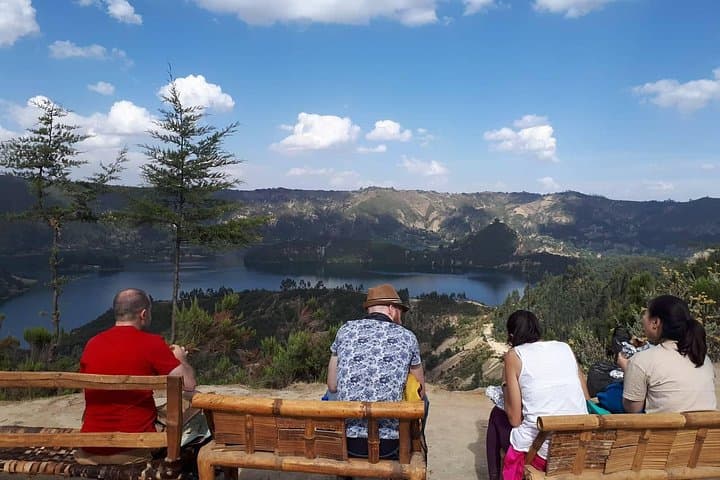
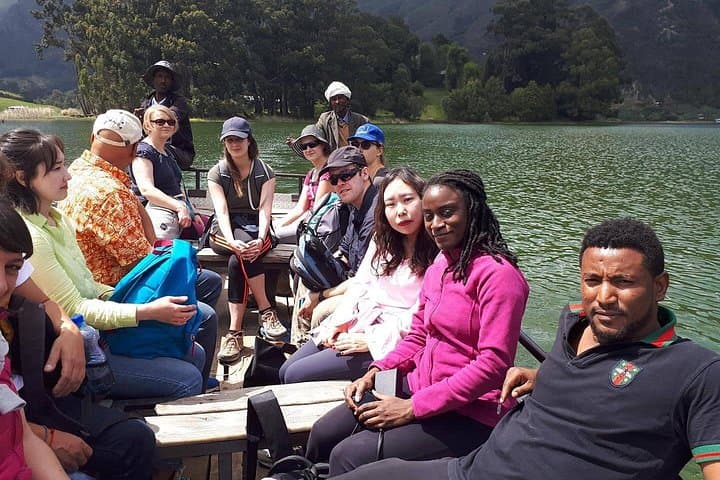
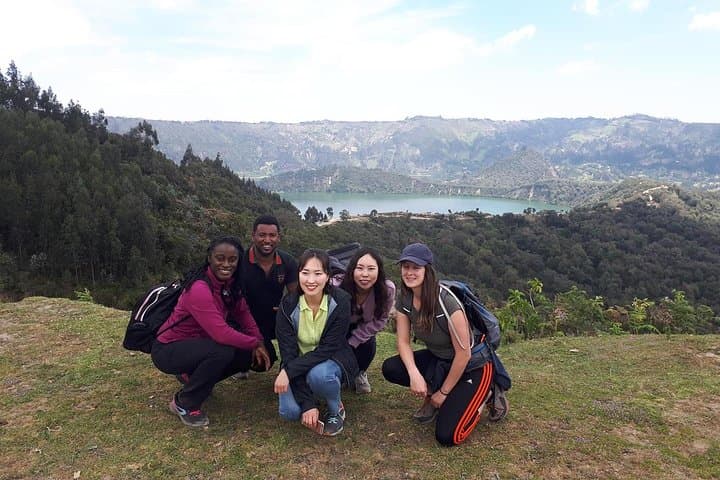
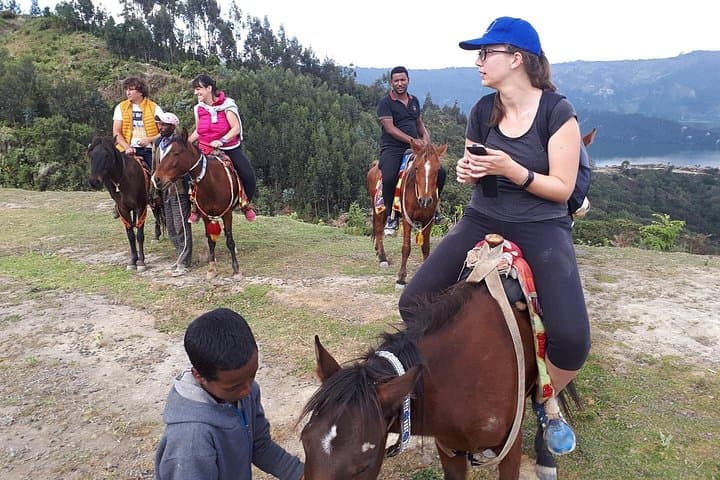
You leave Addis early, the air thinning as the minibus threads west across highland farmland. By midmorning you stand at the crater rim near Kala—about 3,300 m above sea level—where wind pushes across grass and volcanic rock, and the lake below waits like a hidden basin of deep blue. The trail drops 3–4 km toward the water; horses clip and snort while trekkers pick a steady pace past waterfalls that dare you to stop.
You leave Addis early, the air thinning as the minibus threads west across highland farmland. By midmorning you stand at the crater rim near Kala—about 3,300 m above sea level—where wind pushes across grass and volcanic rock, and the lake below waits like a hidden basin of deep blue. The trail drops 3–4 km toward the water; horses clip and snort while trekkers pick a steady pace past waterfalls that dare you to stop.
Geology here is blunt and readable: an extinct volcano whose caldera holds the lake and a scattering of hot springs. The island in the middle hosts the small, centuries-old church of Deber Kirkos, a local pilgrimage site reached by short boat trip from the shore. The surrounding valleys are worked by Oromo farmers; you’ll see terraced fields and traditional homesteads that speak to a rural pace still centered on livestock and grain.
Expect 1.5–2 hours to descend on foot (longer coming back), or a quicker, steadier ride on horseback. Trails switch between packed dirt, loose volcanic rock and grass; recent rains make sections slippery. Boats are simple and guided by local operators; bring cash. Altitude and steep return climbs are the real test—pace yourself, hydrate, and watch footing on the rim and near streams.
Practical: meet in Addis early, pack layered clothing, sturdy boots, sun protection and at least 2–3 liters of water. If you stay overnight, local lodges offer basic comfort and a chance to watch mist gather in the crater at dawn.