THE ADVENTURE COLLECTIVE® · Independent discovery and booking for outdoor travel

Taste through four women-led wineries across Woodinville’s Warehouse District with a single pass. Learn winemaking approaches, compare Washington varietals, and get practical tips for pacing, transport, and getting the most from each tasting.
Taste through four women-led wineries across Woodinville’s Warehouse District with a single pass. Learn winemaking approaches, compare Washington varietals, and get practical tips for pacing, transport, and getting the most from each tasting.
The first sip comes in a sun-warmed warehouse room where stainless steel and oak barrels share the air with the faint, sweet hum of fermentation. Woodinville’s Warehouse District feels industrious — tasting rooms and small-production cellars open their doors and invite you to move from one focused pour to the next, each winemaker offering a different idea of Washington fruit and technique.
Verified experiences and guided adventures in the surrounding area.
Operated by Woodinville Wine Country · Woodinville, Washington
The first sip comes in a sun-warmed warehouse room where stainless steel and oak barrels share the air with the faint, sweet hum of fermentation. Woodinville’s Warehouse District feels industrious — tasting rooms and small-production cellars open their doors and invite you to move from one focused pour to the next, each winemaker offering a different idea of Washington fruit and technique.
Woodinville evolved from farming and logging into Washington State’s tasting-room hub in the late 20th century; small estates and boutique producers increasingly set up in converted industrial spaces. The geology that feeds these wines traces back to ancient Columbia River basalt and uplifted loess soils in eastern vineyards — flavors that Washington winemakers coax into concentrated fruit, often showcased in Rhône and Bordeaux-style blends.
Culturally, this pass highlights women-led operations changing the region’s pace: intimate hospitality, experimental blends, and education-forward tastings. Expect personable pours, winemakers who explain vineyard sources, and tasting rooms that encourage conversation over quick flights.
Practical guidance: activate the pass on your phone at your first winery, bring a government ID, and pace flights — water and palate rests extend the afternoon. Many rooms operate by appointment or have limited capacity on weekends; arrive early in the day for quieter service. Consider rideshare or a designated driver — tasting four wineries across Woodinville can stretch over several miles. Dress in layers; warehouse tasting rooms can shift from bright patio light to cool concrete floors. Finally, buy a bottle from a favorite to support small producers — many only sell direct or ship locally.
easy.
1–6 hours.
Suitable for all fitness levels; requires light walking between tasting rooms and standing in tasting bars.
Activate the mobile pass at your first participating winery; it includes one tasting flight at four selected wineries and the remaining tastings must be redeemed within 90 days after your first redemption.
Some tasting rooms accept walk-ins while others prefer or require appointments—check each winery’s hours and booking policy before you go, especially on weekends.
Passes are generally one-per-booking and tied to the mobile voucher; sharing a single pass for multiple people at one winery is not allowed—each tasting needs its own pass redemption.
Full refunds are typically available if you cancel at least 24 hours before the scheduled activation; check the specific terms at booking for exact refund windows.
Woodinville shifted from agriculture and logging to a wine and hospitality hub in the late 20th century, with many small wineries converting warehouse spaces into tasting rooms.
Many local wineries emphasize sustainable vineyard practices, low-intervention winemaking, and limited-production sales—supporting small producers reduces distribution impacts; always rinse responsibly and discard waste in proper bins.
Woodinville Wine Country operates guided outdoor trips and adventures with an emphasis on safety, stewardship, and memorable experiences.
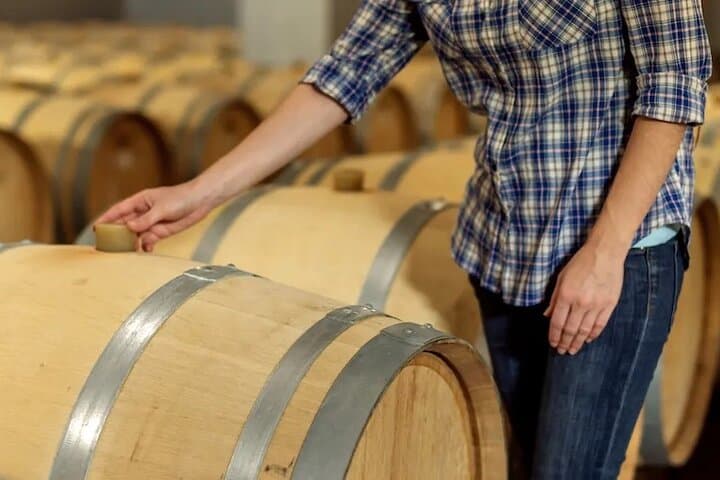
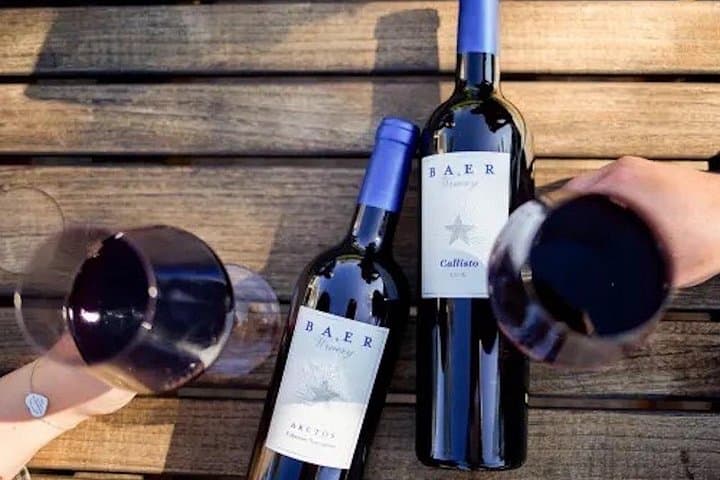
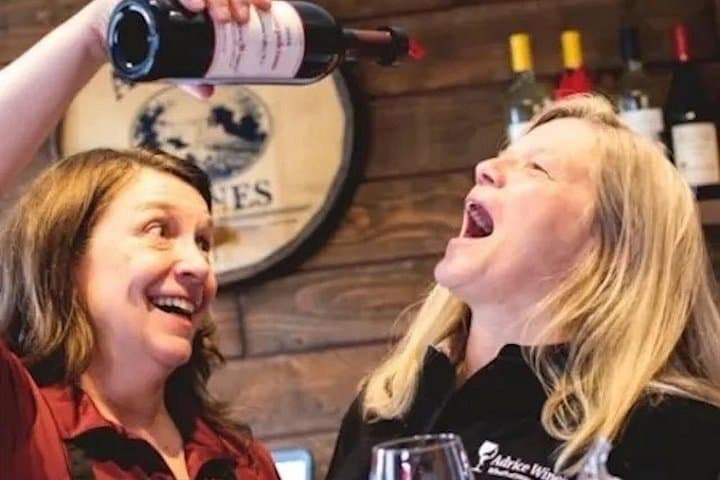
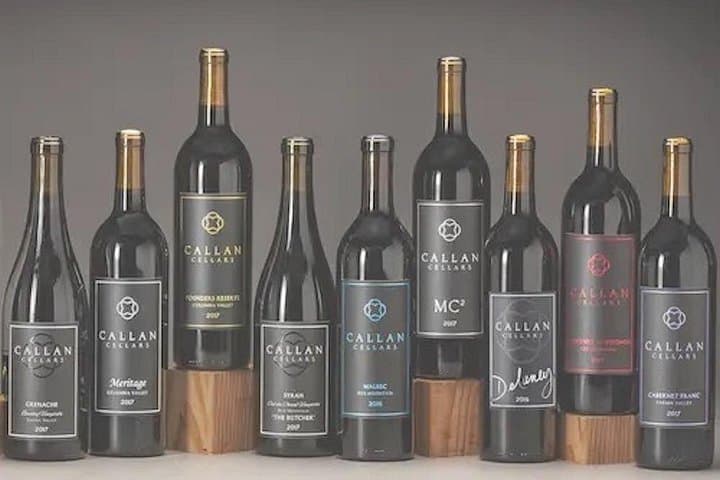
The first sip comes in a sun-warmed warehouse room where stainless steel and oak barrels share the air with the faint, sweet hum of fermentation. Woodinville’s Warehouse District feels industrious — tasting rooms and small-production cellars open their doors and invite you to move from one focused pour to the next, each winemaker offering a different idea of Washington fruit and technique.
The first sip comes in a sun-warmed warehouse room where stainless steel and oak barrels share the air with the faint, sweet hum of fermentation. Woodinville’s Warehouse District feels industrious — tasting rooms and small-production cellars open their doors and invite you to move from one focused pour to the next, each winemaker offering a different idea of Washington fruit and technique.
Woodinville evolved from farming and logging into Washington State’s tasting-room hub in the late 20th century; small estates and boutique producers increasingly set up in converted industrial spaces. The geology that feeds these wines traces back to ancient Columbia River basalt and uplifted loess soils in eastern vineyards — flavors that Washington winemakers coax into concentrated fruit, often showcased in Rhône and Bordeaux-style blends.
Culturally, this pass highlights women-led operations changing the region’s pace: intimate hospitality, experimental blends, and education-forward tastings. Expect personable pours, winemakers who explain vineyard sources, and tasting rooms that encourage conversation over quick flights.
Practical guidance: activate the pass on your phone at your first winery, bring a government ID, and pace flights — water and palate rests extend the afternoon. Many rooms operate by appointment or have limited capacity on weekends; arrive early in the day for quieter service. Consider rideshare or a designated driver — tasting four wineries across Woodinville can stretch over several miles. Dress in layers; warehouse tasting rooms can shift from bright patio light to cool concrete floors. Finally, buy a bottle from a favorite to support small producers — many only sell direct or ship locally.