THE ADVENTURE COLLECTIVE® · Independent discovery and booking for outdoor travel

Spend a focused day moving between Jaipur’s iconic facades, hilltop forts and lively bazaars on a women-only guided tour. This full-day experience blends local insight, palace viewpoints and market stops with practical transport and refreshments.
Spend a focused day moving between Jaipur’s iconic facades, hilltop forts and lively bazaars on a women-only guided tour. This full-day experience blends local insight, palace viewpoints and market stops with practical transport and refreshments.
You step out of an air-conditioned vehicle onto a dust-warmed street and the city opens in angles: latticed windows, painted facades, and the steady clack of handcarts. The guide — local and exclusively female — leads a group through lanes where vendors call and the skyline is punctuated by domes and ramparts. The day stretches across wide avenues and narrow bazaars, moving from the roadside view of Hawa Mahal to the hilltop profile of Amer Palace.
Verified experiences and guided adventures in the surrounding area.
Operated by Contes Asia · Jaipur, Rajasthan
You step out of an air-conditioned vehicle onto a dust-warmed street and the city opens in angles: latticed windows, painted facades, and the steady clack of handcarts. The guide — local and exclusively female — leads a group through lanes where vendors call and the skyline is punctuated by domes and ramparts. The day stretches across wide avenues and narrow bazaars, moving from the roadside view of Hawa Mahal to the hilltop profile of Amer Palace.
Jaipur was planned in 1727 by Maharaja Sawai Jai Singh II; its grid-like streets and the ochre-pink façades date to citywide painting in the 19th century when the Maharaja welcomed the Prince of Wales. Geologically, the city sits on rocky Aravalli foothills whose stone was quarried for grand forts; the built environment reads like layered local geology repurposed into gateways and courtyards. Culturally, this tour centers on how Jaipur lives now — textiles markets, artisanal shops, and regional snacks — while pausing at historic vantage points including the City Palace and Jantar Mantar.
Practical guidance: expect a 6–8 hour day with short walks on uneven cobbles and stairs at amphitheaters and forts. Admission fees to monuments are typically paid on-site; the itinerary notes photography stops and a longer visit to Amer Palace. The operator provides tea/coffee and AC transport; bring sunscreen, a refillable water bottle, modest clothing for temple and palace visits, small bills for markets, and comfortable closed-toe shoes. Start early to avoid midday heat and keep photocopies of ID for palace entries.
easy.
6–8 hours.
Suitable for most fitness levels but requires all-day walking and some stairs; be comfortable on uneven surfaces.
The operator lists the tour as wheelchair accessible for vehicle transport, but many historic sites and forts have stairs and limited ramp access—confirm specific accessibility needs ahead of booking.
Most palace and fort admissions are paid on-site; the itinerary indicates stops at Amer Palace and City Palace where entry fees are commonly required separately.
The tour includes coffee or tea and transport; plan on bringing money for lunch and local snacks unless your booking specifies a meal.
Full refund if you cancel at least 24 hours before the scheduled departure; no refund for cancellations within 24 hours.
Jaipur was founded in 1727 by Maharaja Sawai Jai Singh II as a planned city; its pink facades date to a ceremonial repainting in 1876 to welcome royalty.
Water scarcity and urban development pressure historic lakes and step-wells; travelers can help by minimizing plastic use and following local guidelines at heritage sites.
Contes Asia operates guided outdoor trips and adventures with an emphasis on safety, stewardship, and memorable experiences.
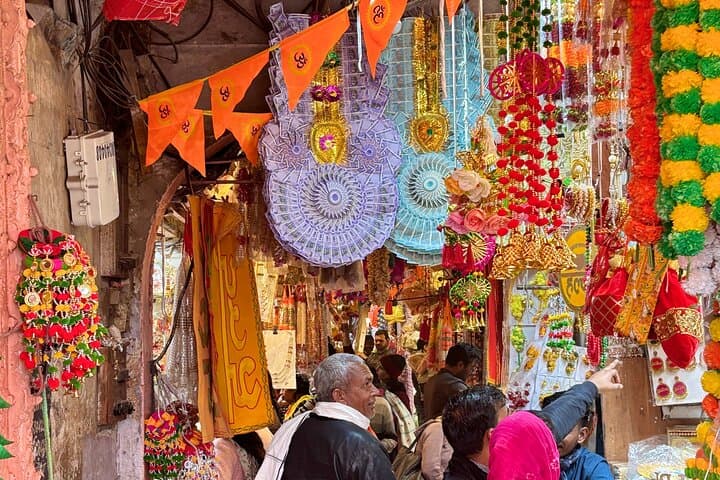
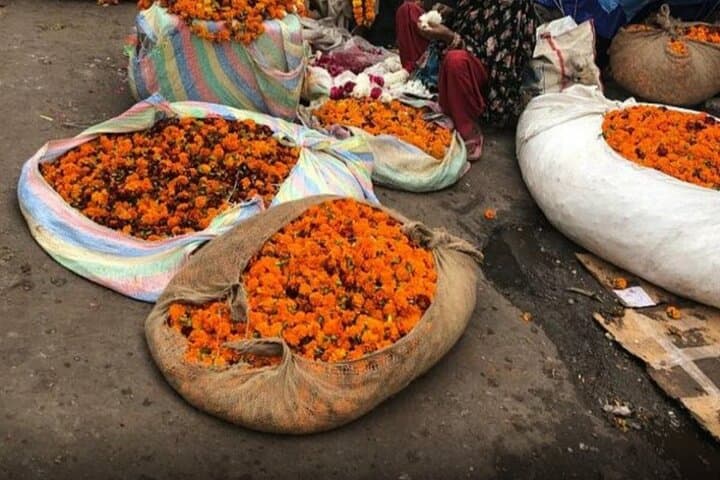
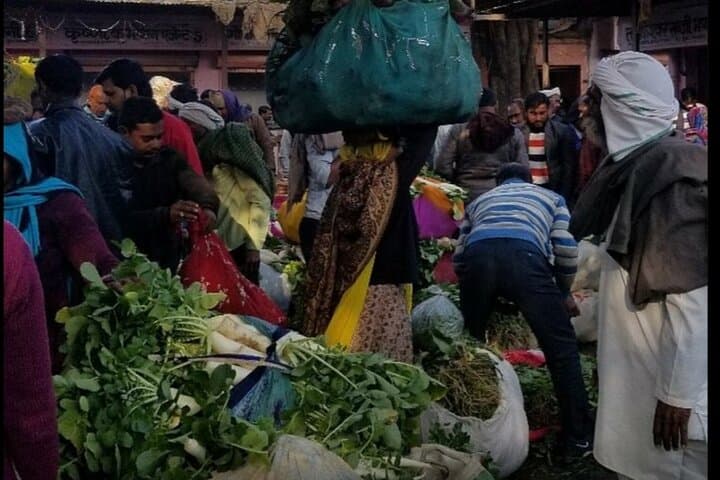
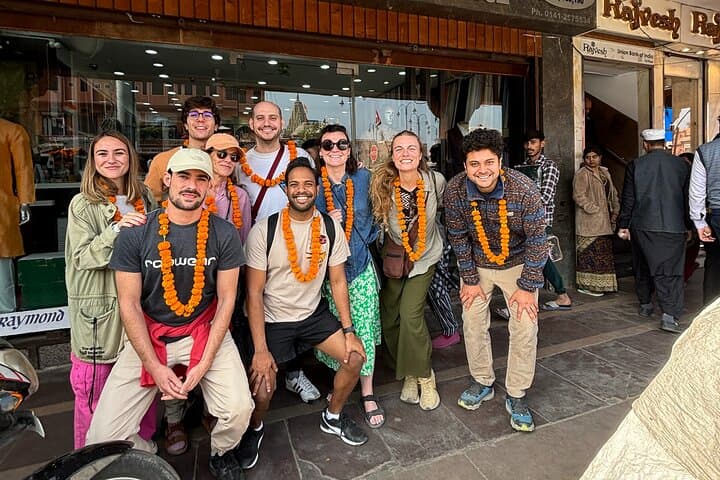
You step out of an air-conditioned vehicle onto a dust-warmed street and the city opens in angles: latticed windows, painted facades, and the steady clack of handcarts. The guide — local and exclusively female — leads a group through lanes where vendors call and the skyline is punctuated by domes and ramparts. The day stretches across wide avenues and narrow bazaars, moving from the roadside view of Hawa Mahal to the hilltop profile of Amer Palace.
You step out of an air-conditioned vehicle onto a dust-warmed street and the city opens in angles: latticed windows, painted facades, and the steady clack of handcarts. The guide — local and exclusively female — leads a group through lanes where vendors call and the skyline is punctuated by domes and ramparts. The day stretches across wide avenues and narrow bazaars, moving from the roadside view of Hawa Mahal to the hilltop profile of Amer Palace.
Jaipur was planned in 1727 by Maharaja Sawai Jai Singh II; its grid-like streets and the ochre-pink façades date to citywide painting in the 19th century when the Maharaja welcomed the Prince of Wales. Geologically, the city sits on rocky Aravalli foothills whose stone was quarried for grand forts; the built environment reads like layered local geology repurposed into gateways and courtyards. Culturally, this tour centers on how Jaipur lives now — textiles markets, artisanal shops, and regional snacks — while pausing at historic vantage points including the City Palace and Jantar Mantar.
Practical guidance: expect a 6–8 hour day with short walks on uneven cobbles and stairs at amphitheaters and forts. Admission fees to monuments are typically paid on-site; the itinerary notes photography stops and a longer visit to Amer Palace. The operator provides tea/coffee and AC transport; bring sunscreen, a refillable water bottle, modest clothing for temple and palace visits, small bills for markets, and comfortable closed-toe shoes. Start early to avoid midday heat and keep photocopies of ID for palace entries.